Heat restored in Kyiv after shelling: 400 buildings reconnected, work on the rest continues
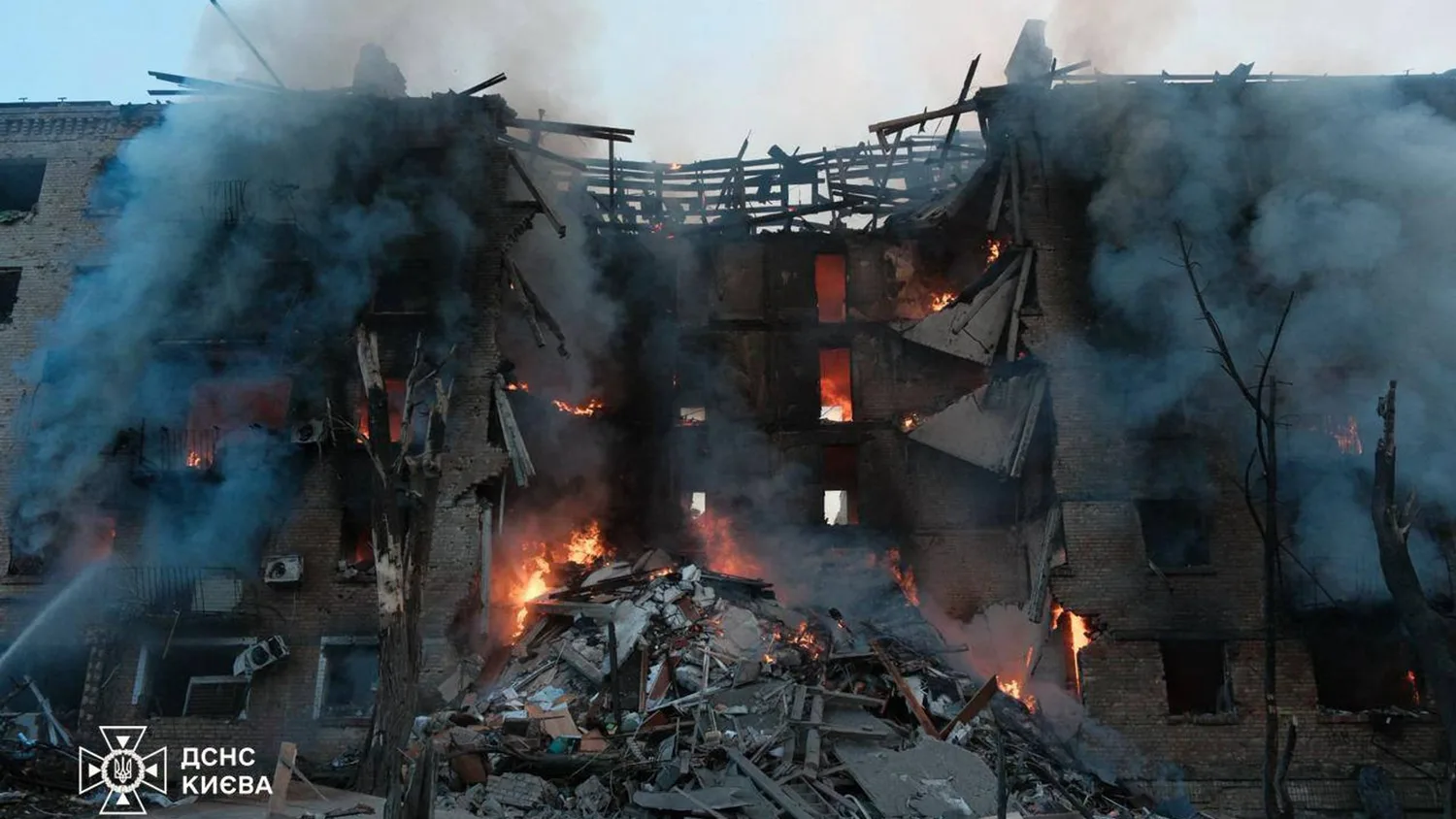
After the February 12 attack, the capital’s municipal crews restored heating to 400 multi-story apartment buildings. It’s a relief for thousands of residents, but full restoration is being delayed by damage to a key CHP plant and the risk of further strikes.

By Tetiana Suchkova-Ladik
February 14, 2026 · 2 min read

Briefly about the main point
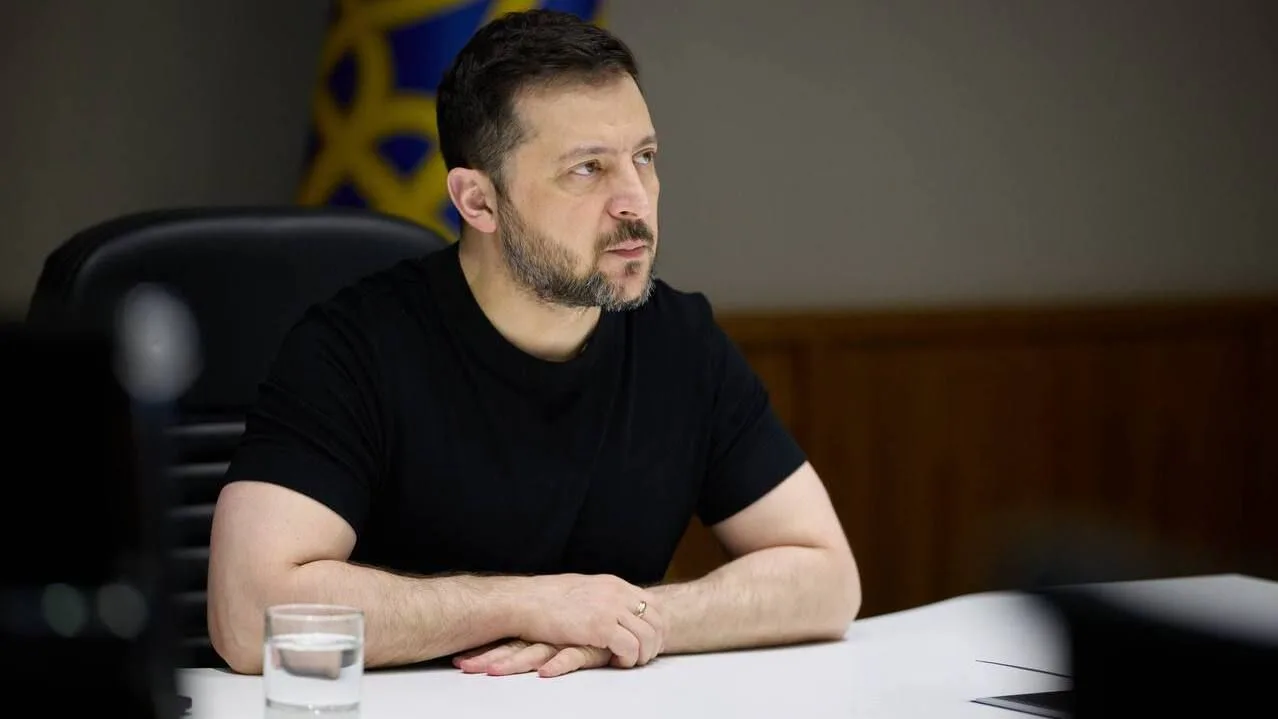
According to Mayor Vitaliy Klychko on Telegram and citing UNN, heating has been restored in 400 buildings in Kyiv after the missile attack on February 12. Utility crews continue working to bring heat back to other apartment buildings that remain without heating.
"Heating has been restored in 400 city buildings. Utility workers are working to restore heat supply to other apartment buildings that were left without heat as a result of the enemy's attack on Kyiv's infrastructure on February 12."
— Vitaliy Klychko, mayor of Kyiv
What exactly happened
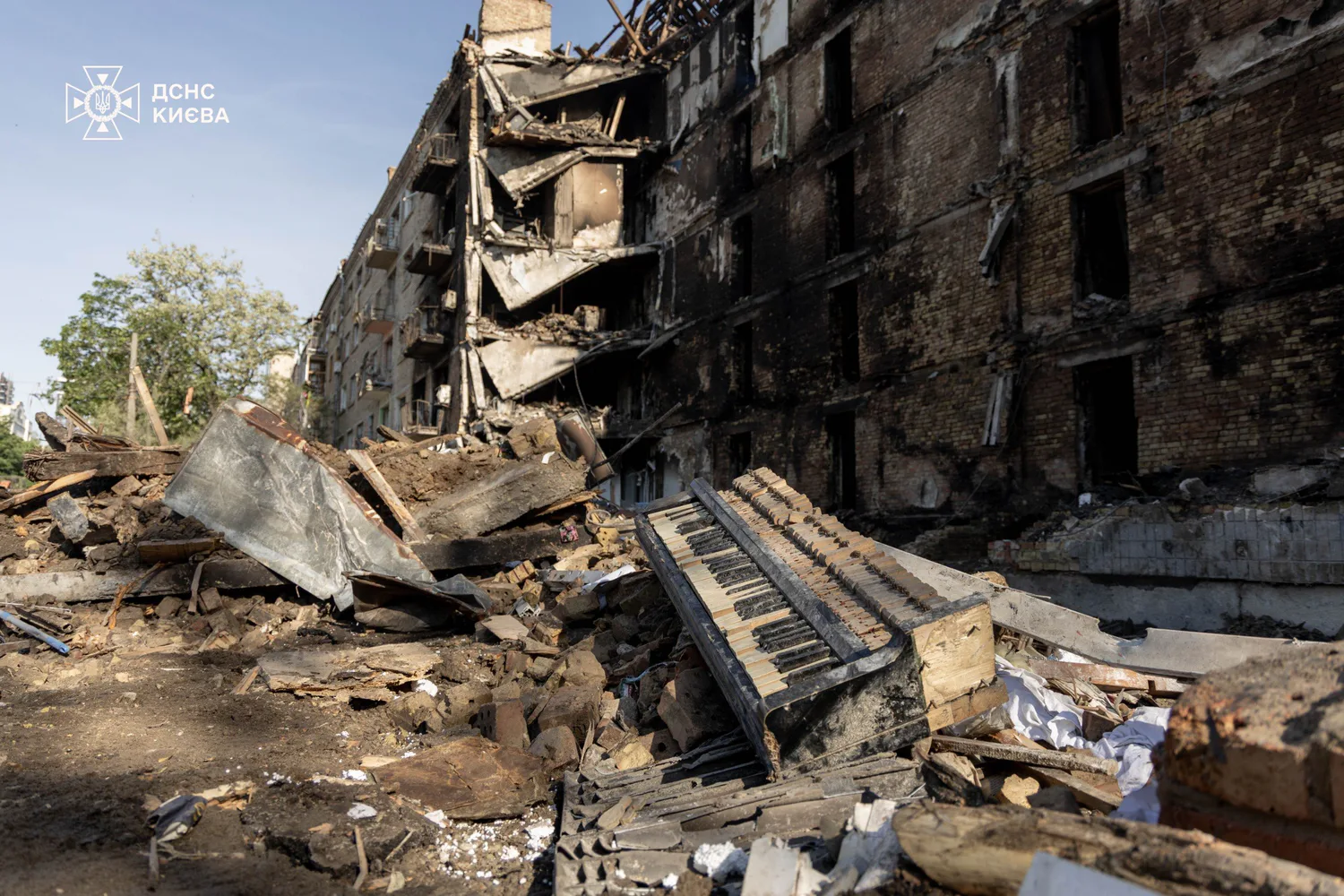
According to the mayor, initially about 2600 buildings were left without heating due to infrastructure damage. After the nighttime strike, the number of those left without heat increased — various reports cited a figure of about 3700. The outages affected districts on both the left and right banks: Desnianskyi, Dniprovskyi, Pecherskyi and Solomianskyi.
The mayor also noted that more than 1100 apartment buildings in the Desnianskyi and Darnytskyi districts remained without heat due to critical damage to the Darnytsia CHP, to which it is currently impossible to supply the heat-transfer medium.
Why this matters for residents
Heating is not only a matter of comfort. For older people, families with children and patients in medical facilities, stable heat supply is a matter of safety. The speed of restoration affects the risk of household accidents, the burden on social infrastructure, and the need for evacuation or additional assistance.
What is hindering a faster return of heat
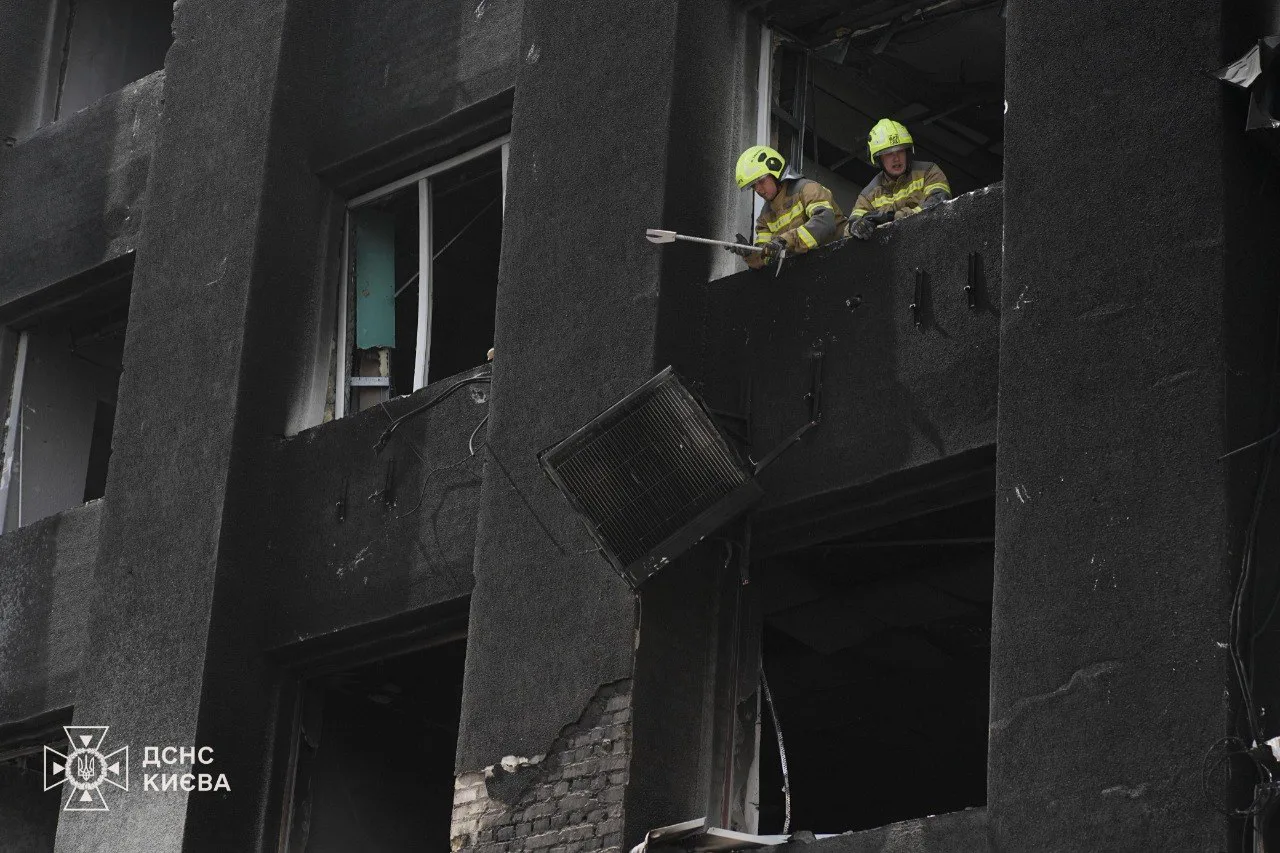
Key factors: physical damage to energy infrastructure (in particular the Darnytsia CHP), the need for repair crews to pass through areas with destroyed networks, and the risk of new strikes. Utility services are working around the clock, but repair work requires time, materials and safe access to the sites of damage.
Next steps
The city reports the gradual reconnection of buildings as repairs are completed. At the same time, measures are needed to increase the resilience of critical infrastructure, logistical support with materials and coordination with state services. For residents, it is currently important to follow city announcements and contact services in case of emergencies.
Summary: the fact that heating has been restored in 400 buildings is a positive sign, but the full return of heat depends on eliminating the consequences of the damage to the CHP and on the safety of carrying out repairs. Whether restoration can be accelerated and networks made more resilient to new attacks is a question on which the comfort and safety of thousands of Kyiv residents depends.