Repeated outages: nearly a third of Kyiv's apartment blocks still without heat after last night's attack
After an overnight strike, 4,000 of 5,635 buildings remain without heating — about 33% of Kyiv's housing stock. Why the problem has returned and what it means for the city's residents — briefly and to the point.

By Tetiana Suchkova-Ladik
January 20, 2026 · 2 min read
What happened
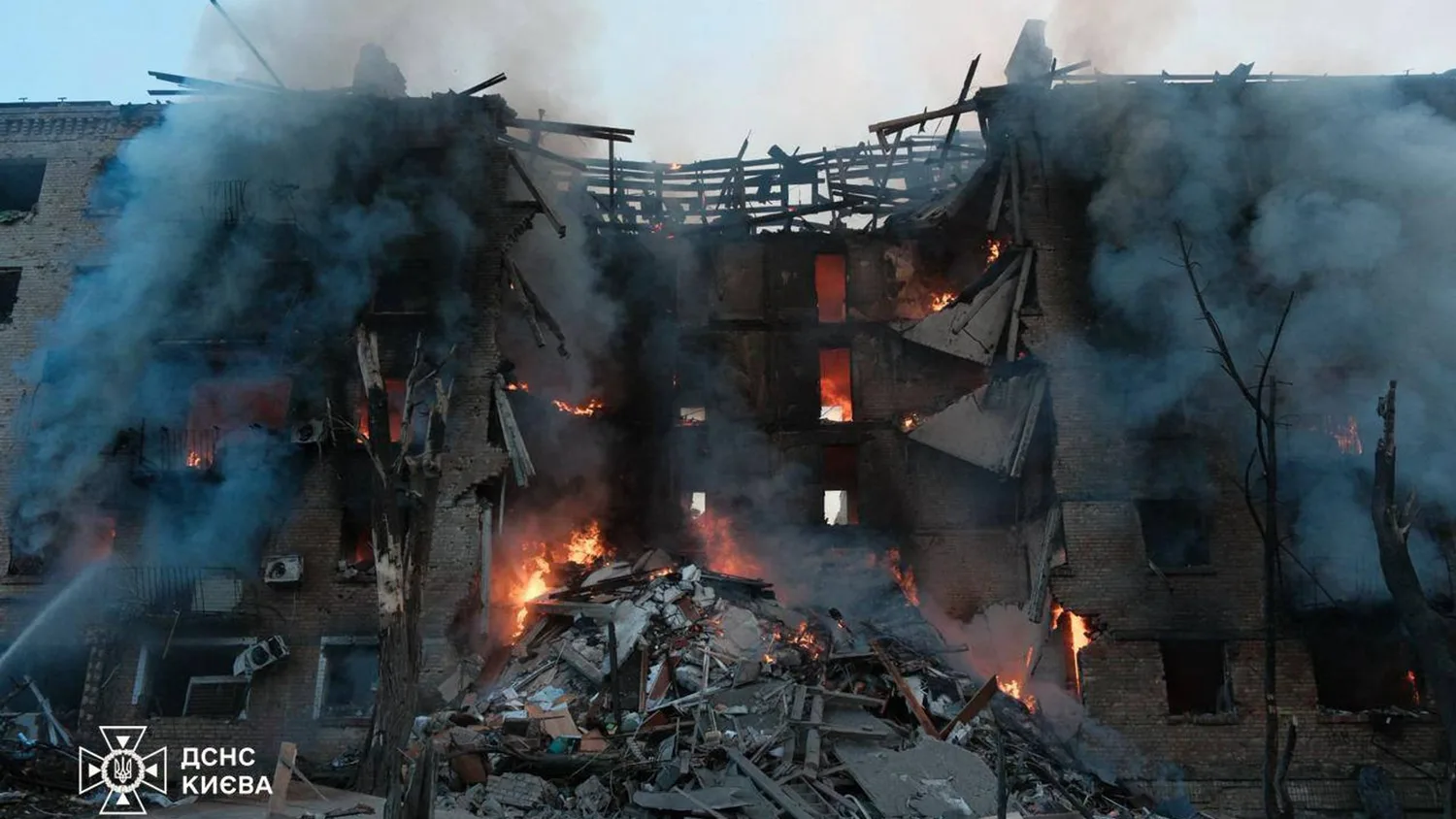
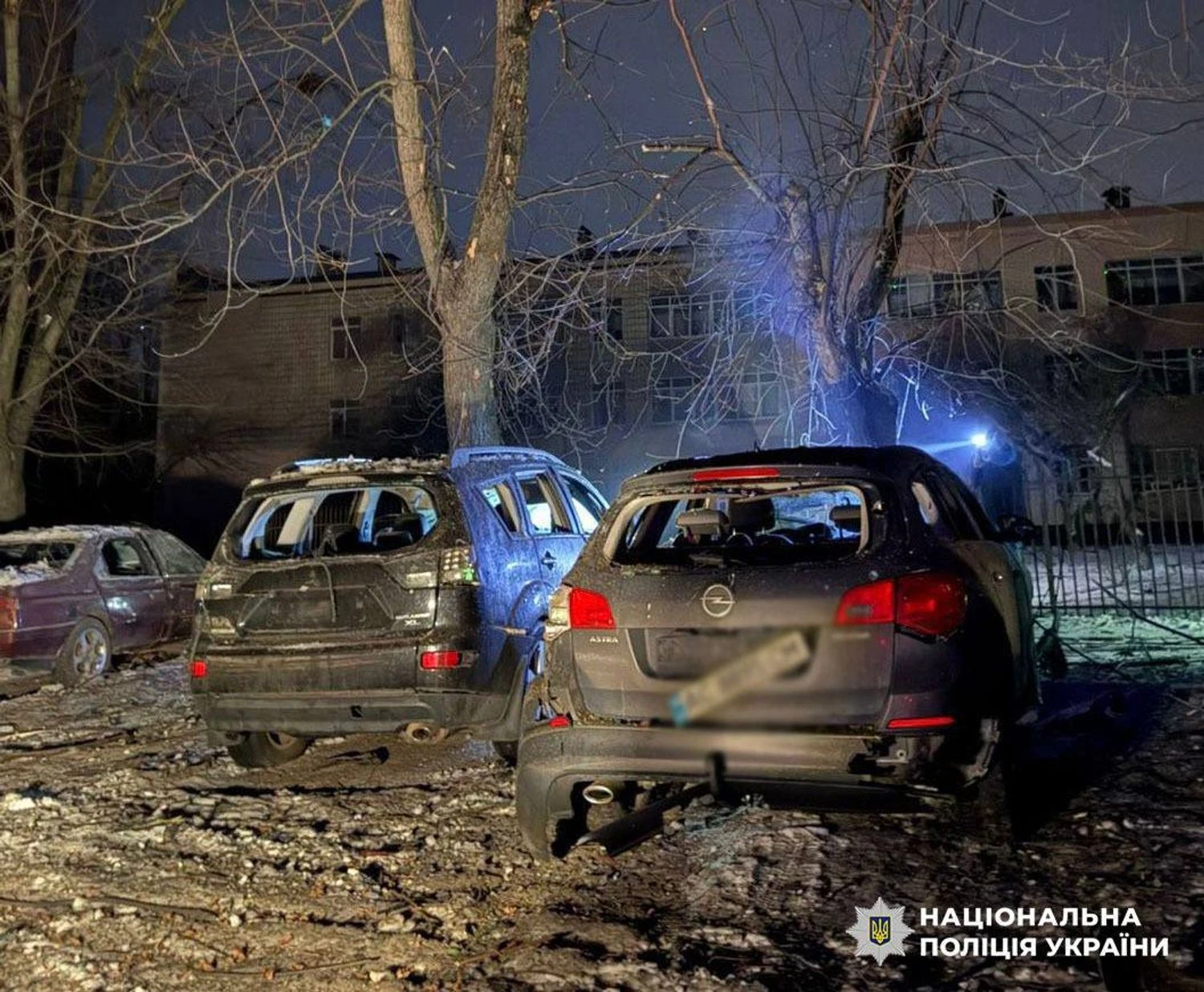
Kyiv mayor Vitali Klitschko reported on Telegram that after a nighttime attack by Russia on the capital 4,000 apartment buildings out of 5,635 that were left without heating remain unconnected. That is almost 33% of the city's housing stock — some of them are being reconnected for a second time due to repeated damage to infrastructure.
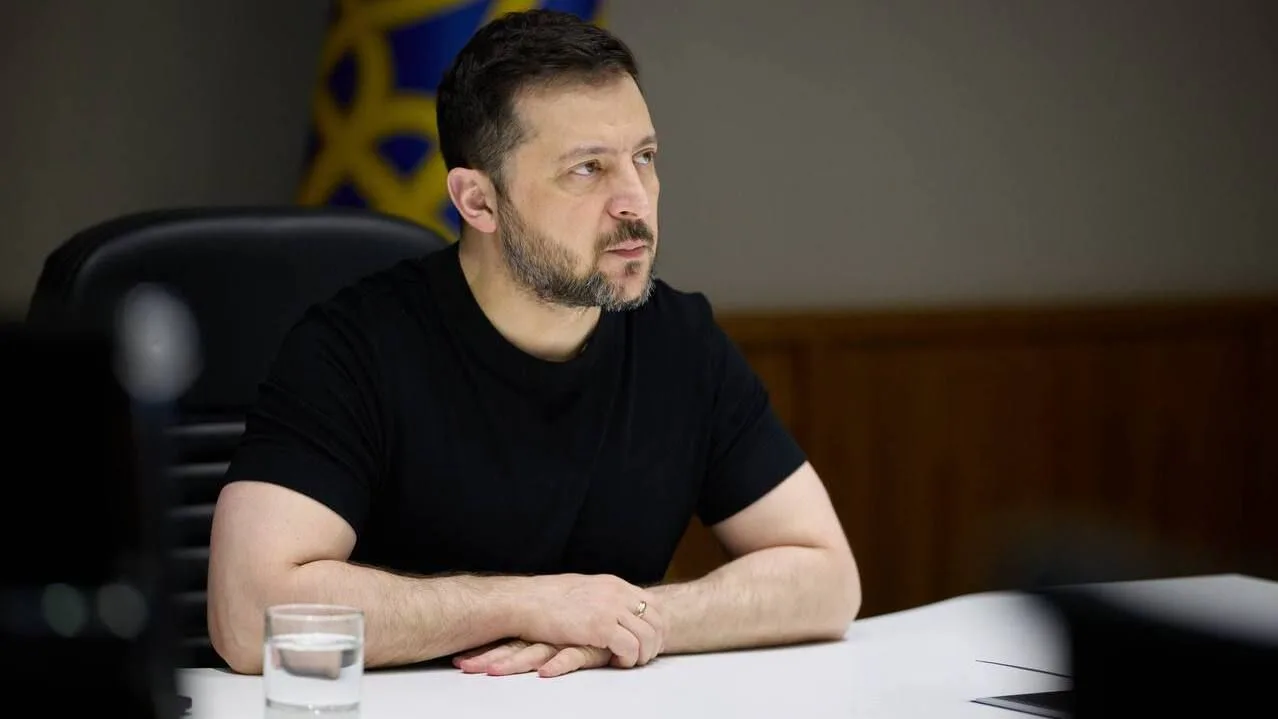
“At present, 4,000 apartment buildings out of 5,635 that lost heating after the enemy's attack on the capital last night are without heat. In more than 1,600 residential buildings, utility crews have supplied heating.”
— Vitali Klitschko, mayor of Kyiv
Consequences for residents
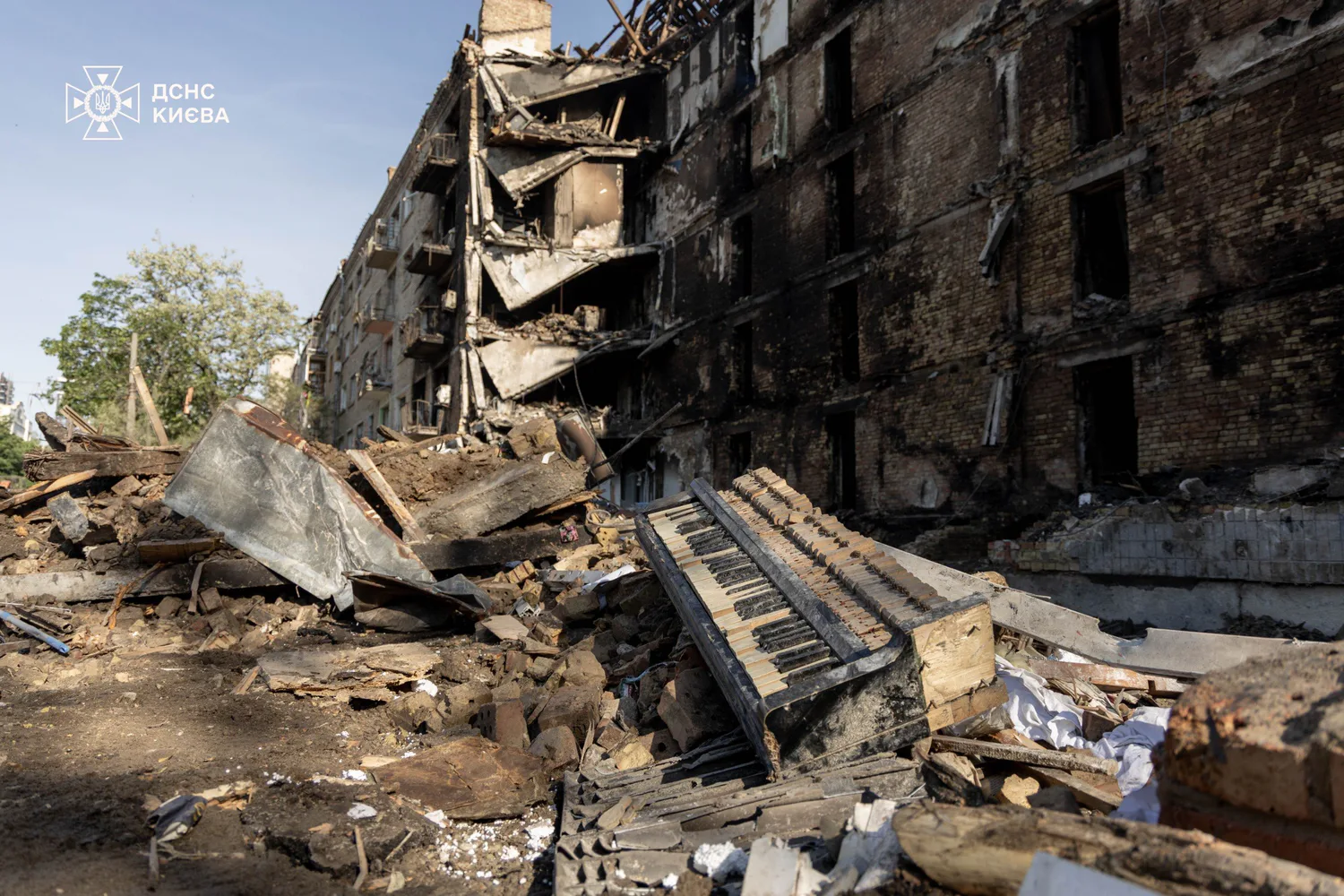
For families, this means cold homes, additional expenses for heaters, and risk for vulnerable groups — pensioners, infants, and the sick. According to government reports, 5,635 buildings were previously listed (around 46% of the housing stock), and there are also problems with water supply — about 3,500 buildings. Similar consequences have been recorded in Dnipro.
Why this happened and what to expect
The reasons are clear and important to understand: strikes on critical infrastructure lead to cascading outages, and reconnections after serious damage require more time, resources and spare parts. Utility crews and energy workers are working, but restoration in areas of mass damage is not only a technical but also a logistical task: networks must be repaired, the safety of pipes and boiler houses must be ensured, and the supply of heating must be prioritized.
Analysts note that if attacks continue, the strain on city services will increase and recovery will take longer. This affects not only comfort but also healthcare and the operation of hospitals and schools.
What is being done and what to know next
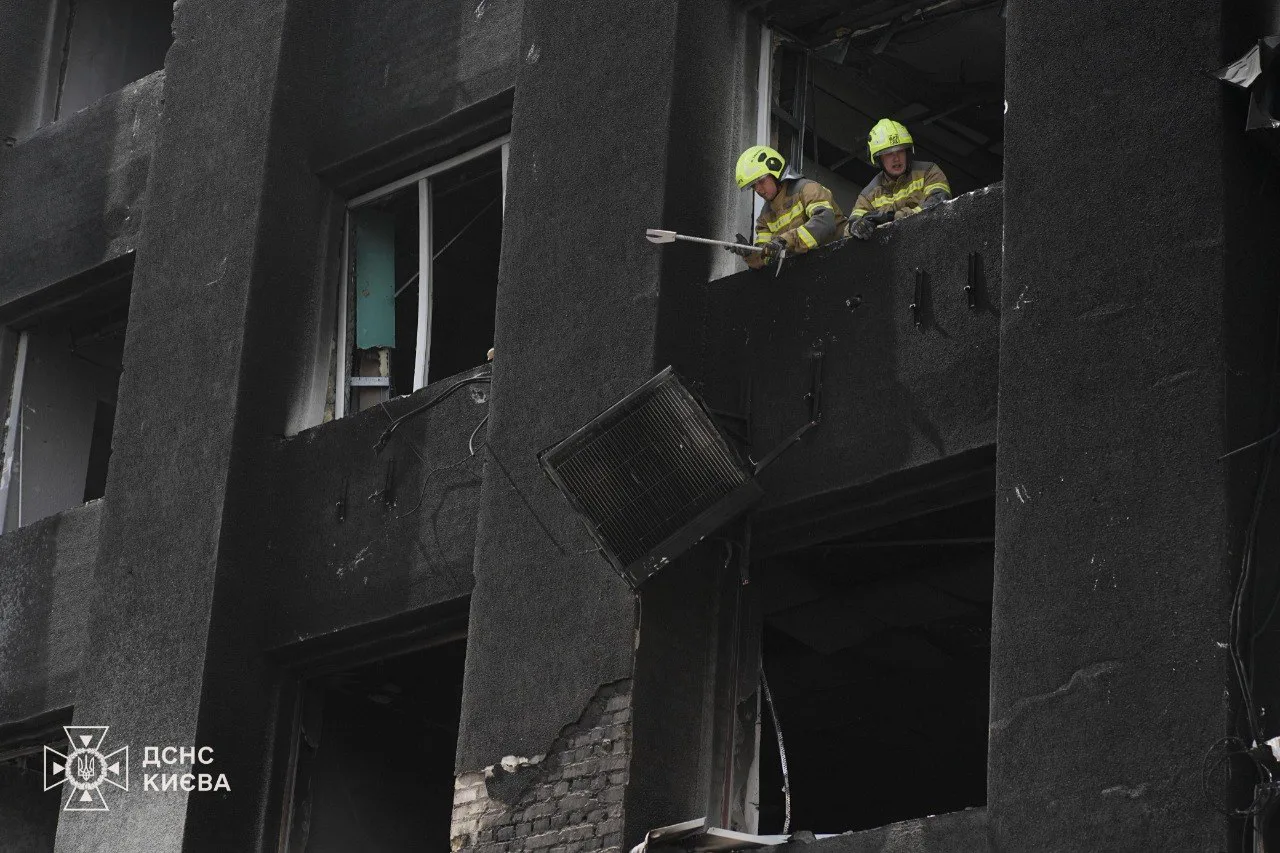
Municipal services report phased reconnections — already more than 1,600 buildings have received heating. Priorities are hospitals, care homes for the elderly, and children's facilities. The city administration and the government are coordinating repair crews, but to speed up the process additional materials, equipment and, if needed, international technical support are required.
Short conclusion: the situation remains difficult but manageable. If you or your relatives find yourselves without heating — follow the official channels of the city authorities, report outages to dispatch services, and, if possible, support vulnerable neighbors. At the city and partner level, the key task now is to turn emergency response into systemic resilience of critical infrastructure.