Five Matrice Drones from Bucha: Thermal-Imaging 'Eyes' Changing Frontline Reconnaissance
The Bucha community has handed over five industrial Matrice drones to the 25th Separate Rifle Battalion (military unit A4017). We explain why thermal-imaging optics and powerful zoom are not just technology, but a matter of the fighters’ safety and lives.

By Tetiana Suchkova-Ladik
March 15, 2026 · 1 min read
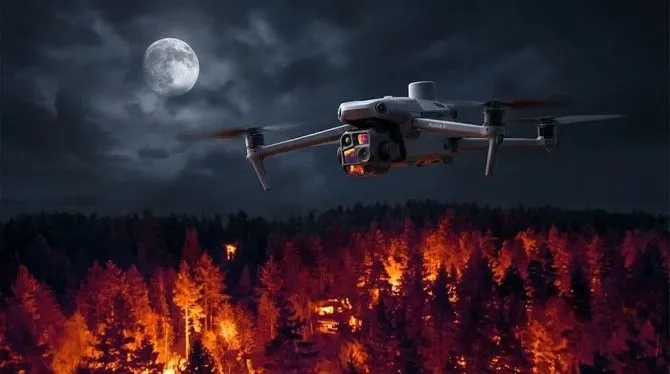
What was handed over and to whom
The Bucha community has handed over five industrial Matrice drones to fighters of the 25th Separate Rifle Battalion (military unit A4017), who are carrying out extremely demanding tasks in the east. This is not charity or a trifle, but targeted assistance to a unit operating in a heightened‑risk area.
Why it matters
The drones are equipped with thermal‑imaging optics and a powerful zoom. That combination provides three key effects for a combat group: improved night reconnaissance, the ability to observe the front line in adverse weather conditions, and a reduced risk for reconnaissance teams. For units operating in "hot" sectors, this is a matter of survival, not comfort.
"This equipment is critically important on the frontline. Thanks to thermal‑imaging optics and a powerful zoom, the 'Matrice' drones allow reconnaissance in any weather conditions and can detect the enemy even in complete darkness."
— Bucha City Council, official Telegram channel
Tactical implications
The impact of such deliveries is multiple: the operational picture at the platoon/company level improves, the time to detect targets and make decisions is reduced, and the need for risky ground reconnaissance sorties decreases. Defense analysts and volunteer networks note that systematically equipping units with this kind of equipment shifts the balance precisely in terms of informational and tactical advantages.
What’s next
This transfer is an example of how local communities and initiatives strengthen frontline capability. The next task is to integrate the drones into the unit's reconnaissance patterns, ensure technical maintenance, and train operators. Without that, even the best equipment will not realize its potential.
Question for partners and the community: will such initiatives be sufficient to substantially boost units' reconnaissance capabilities on the axes where it can mean the difference between life and death? The answer depends on coordination of supply, training, and field support.