Missile-and-drone attack on Kyiv region: destruction in five districts, worst in Fastiv district
Massive nighttime strike on infrastructure facilities and residential neighborhoods: people injured, others trapped under rubble; rescuers working amid the threat of renewed strikes. We explain what happened, what the consequences are, and why this matters for the region’s security.

By Oleg Bazylewicz
February 22, 2026 · 2 min read
What happened
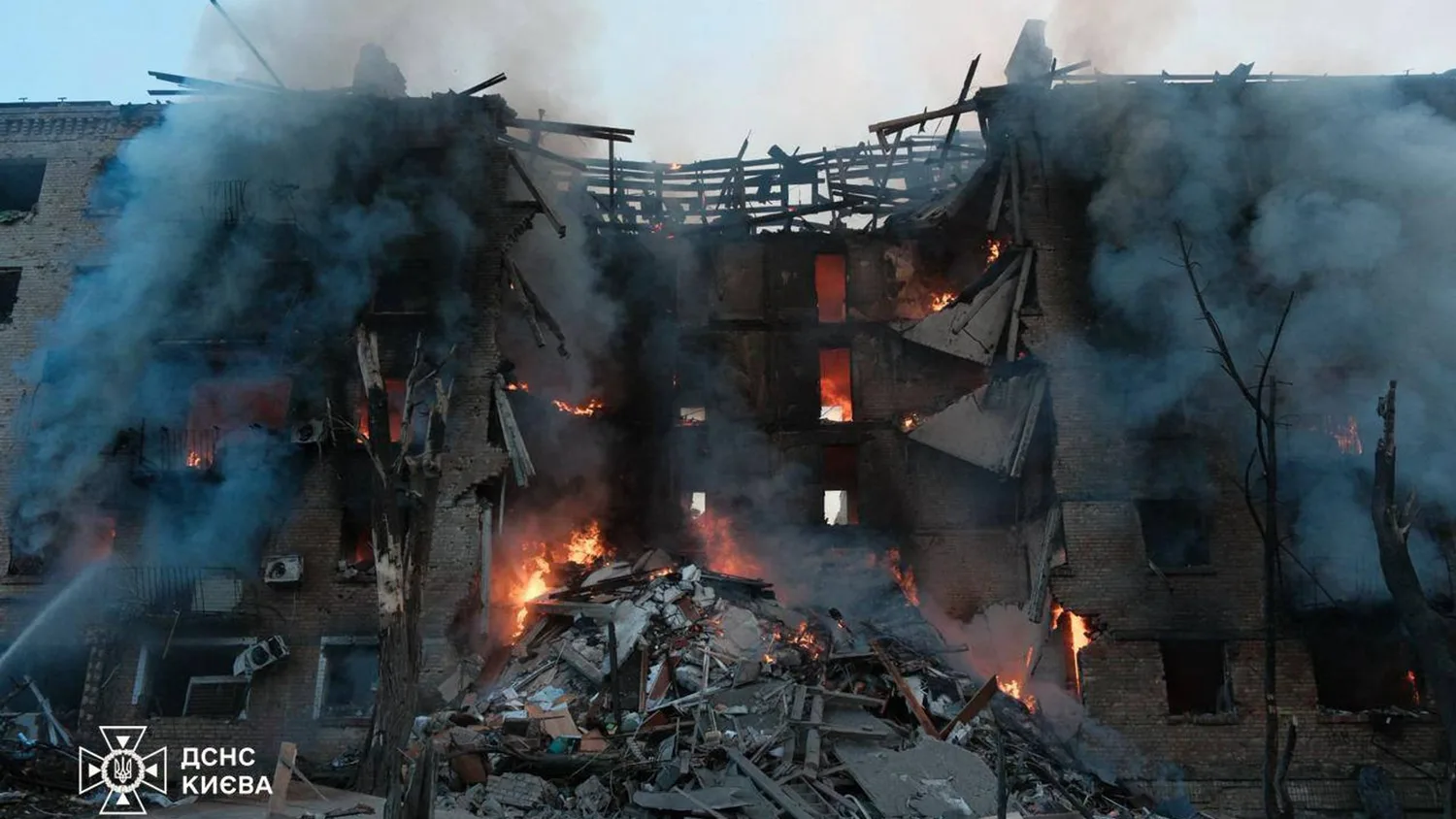
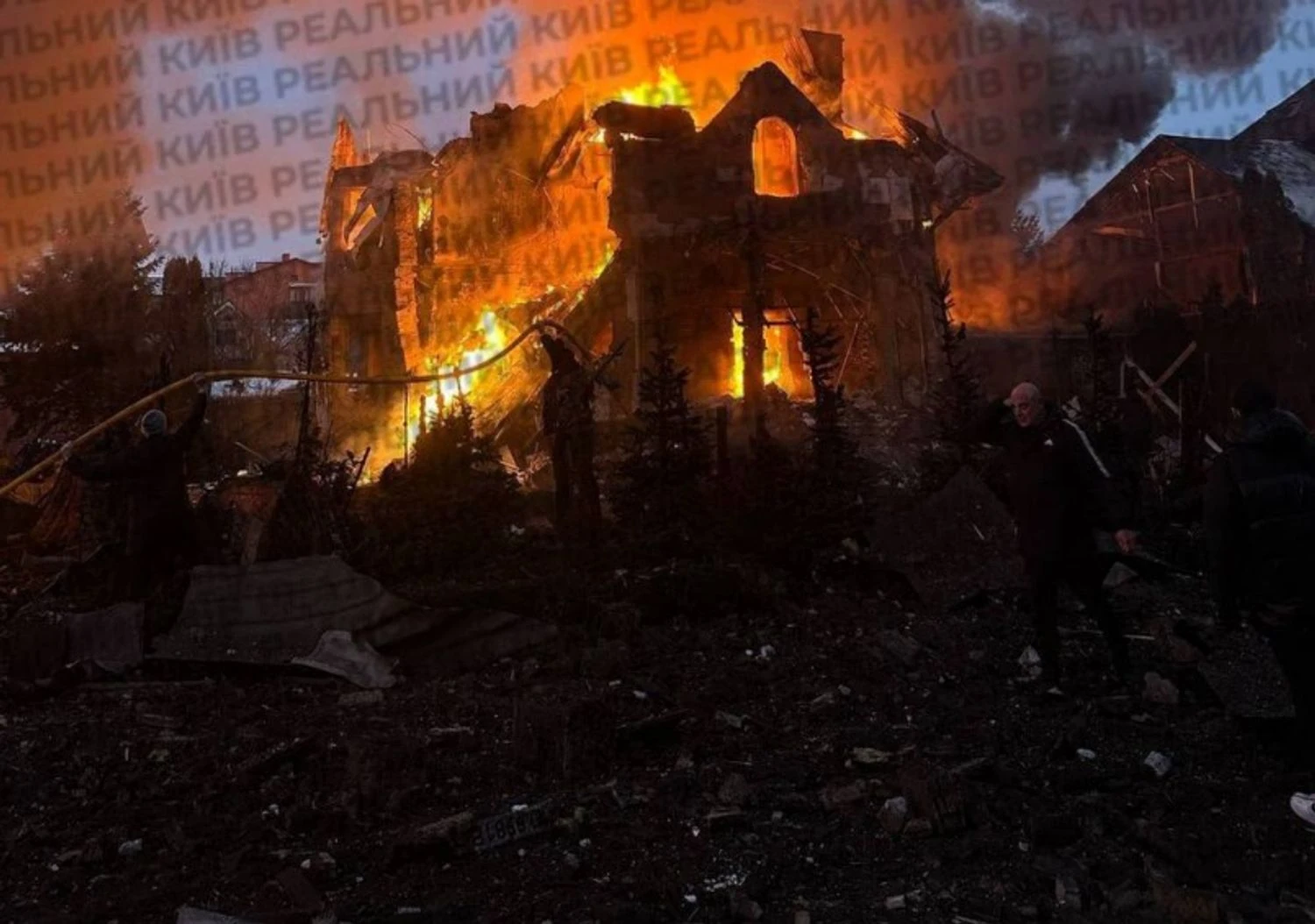
Mykola Kalashnyk, head of the Kyiv Regional Military Administration (OVA), and local services report a massive overnight missile‑drone attack on critical infrastructure facilities and residential neighborhoods in the region (source: UNN, statements by the Kyiv OVA). Air defence forces were intercepting a combined strike — however, debris and direct hits caused fires and damage to buildings in five districts of the region.
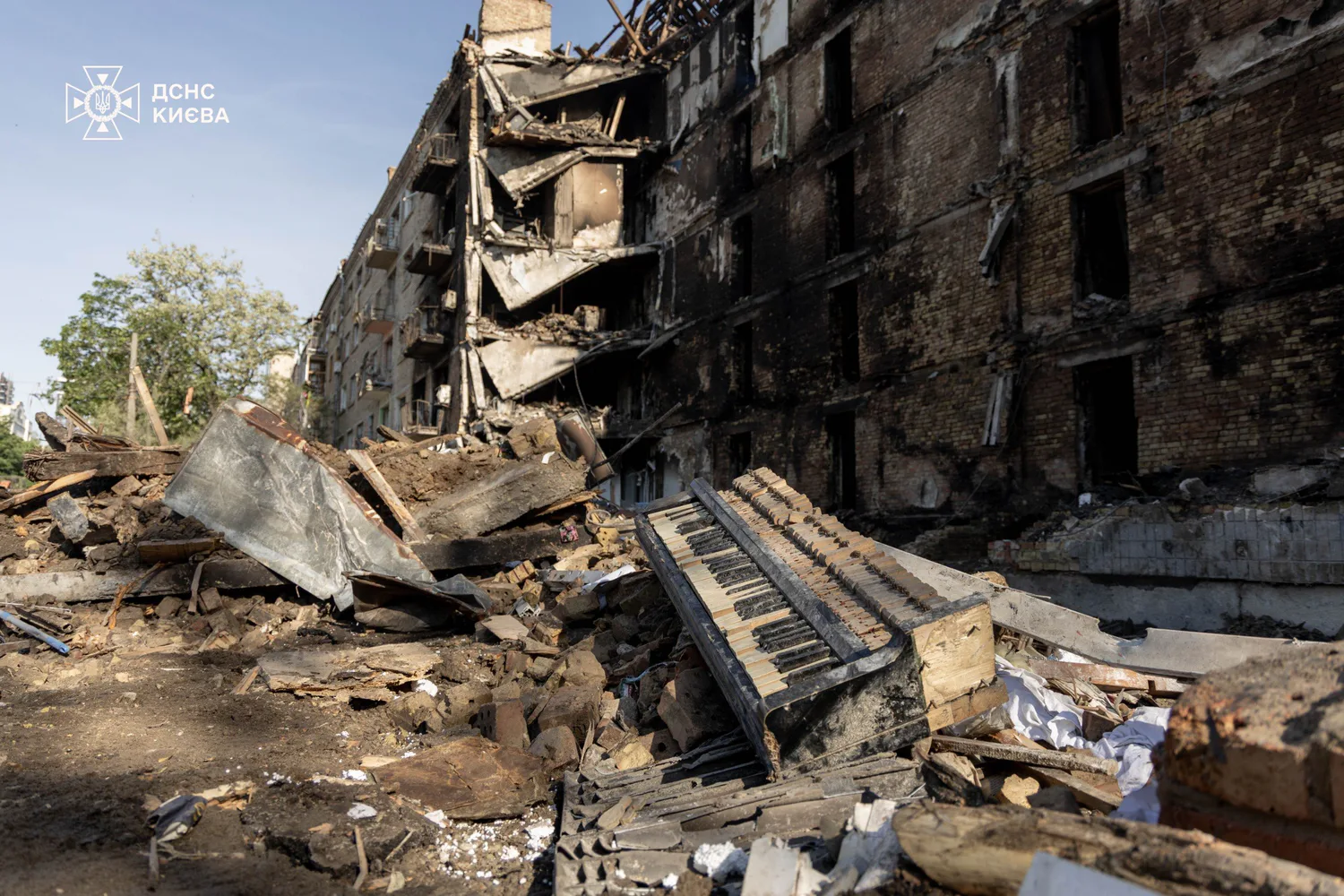
The most critical situation is in the Fastiv district: five private houses were damaged, rescuers pulled eight people from the rubble, including one child. In the Boryspil district a woman was injured (glass fragments); a fire broke out in an outbuilding on a farm and was localized. In the Brovary district a garage cooperative was struck — ten units were damaged. In Obukhiv damage to warehouses and a residential building was recorded; in Bucha — two private homes and a car.
"A restless night for the Kyiv region. The enemy carried out another massive missile‑drone attack on peaceful settlements"
— Mykola Kalashnyk, head of the Kyiv Regional Military Administration
Consequences and context
Strikes on civilian targets, even when air defences shoot down some of the targets, create a double threat: direct destruction and an ongoing risk to rescuers and civilians from debris. This means additional costs for recovery, psychological pressure on the population, and underscores the need for more effective air defences and rapid evacuation/medical assistance.
Some reports mention the use of strategic carriers and missile systems — these details are still being verified by the relevant services. Analysts stress that attacks of this scale serve a complex purpose — to damage infrastructure and disrupt the routine life of communities. For residents of the region this is a question of safety, access to medical care, and the speed of compensation for losses.
Response by services and what’s next
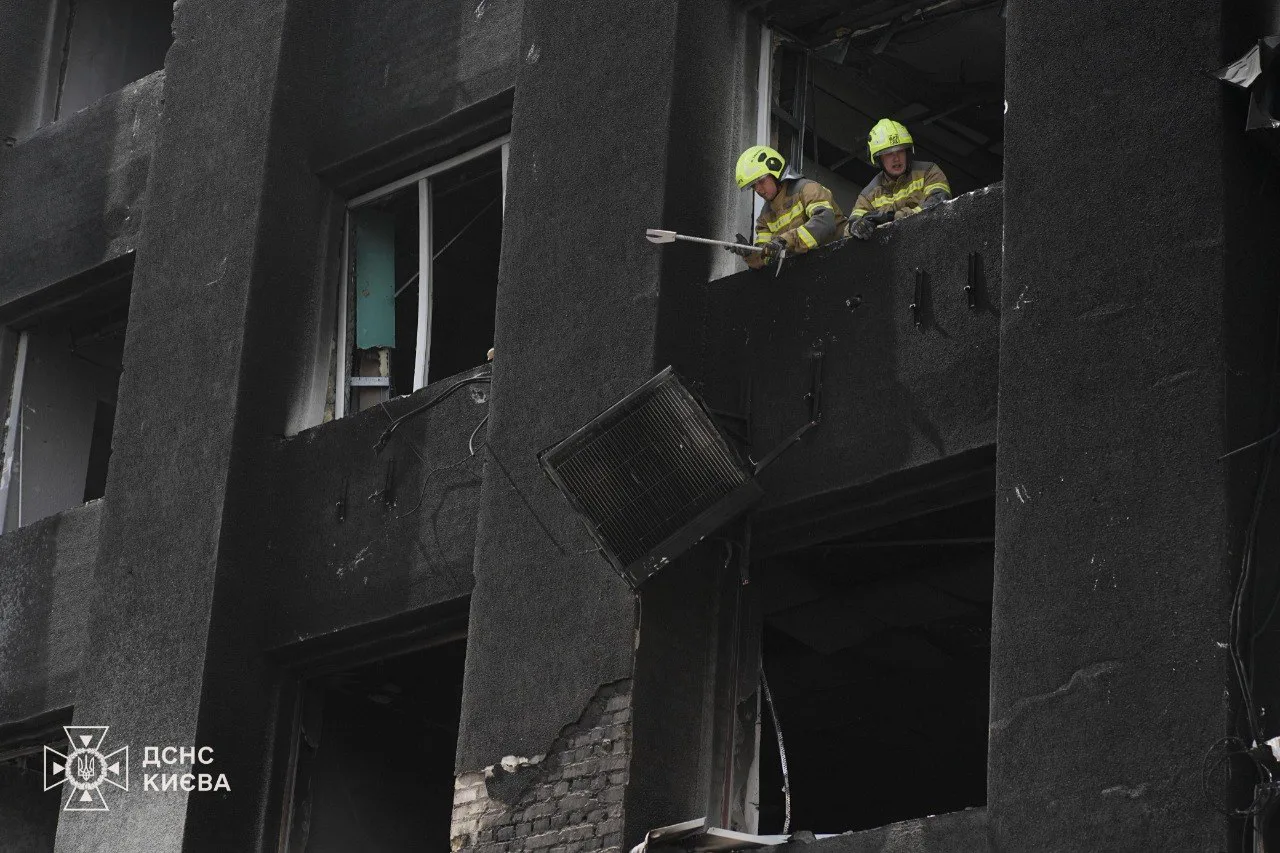
Rescuers, firefighters and medics are working on site: extinguishing fires, extracting the injured and documenting damage to provide assistance. The OVA is coordinating the provision of first aid to the injured and assessing the damage. It is important that the announced assessments are quick and transparent so that those affected receive the necessary support.
This is another signal to partners and central authorities: strengthening air defences, demining resources and investments in the restoration of civilian infrastructure are priorities for the coming weeks. The question one step away from practical policy — will statements of support turn into concrete deliveries and funding?
Operational services continue to work on site. The situation remains dynamic — we are monitoring updates from the OVA and rescue services and will report confirmed data on casualties and the scale of the destruction.