Rocket strike on Kharkiv's Industrial District: one person injured, part of the city left without power
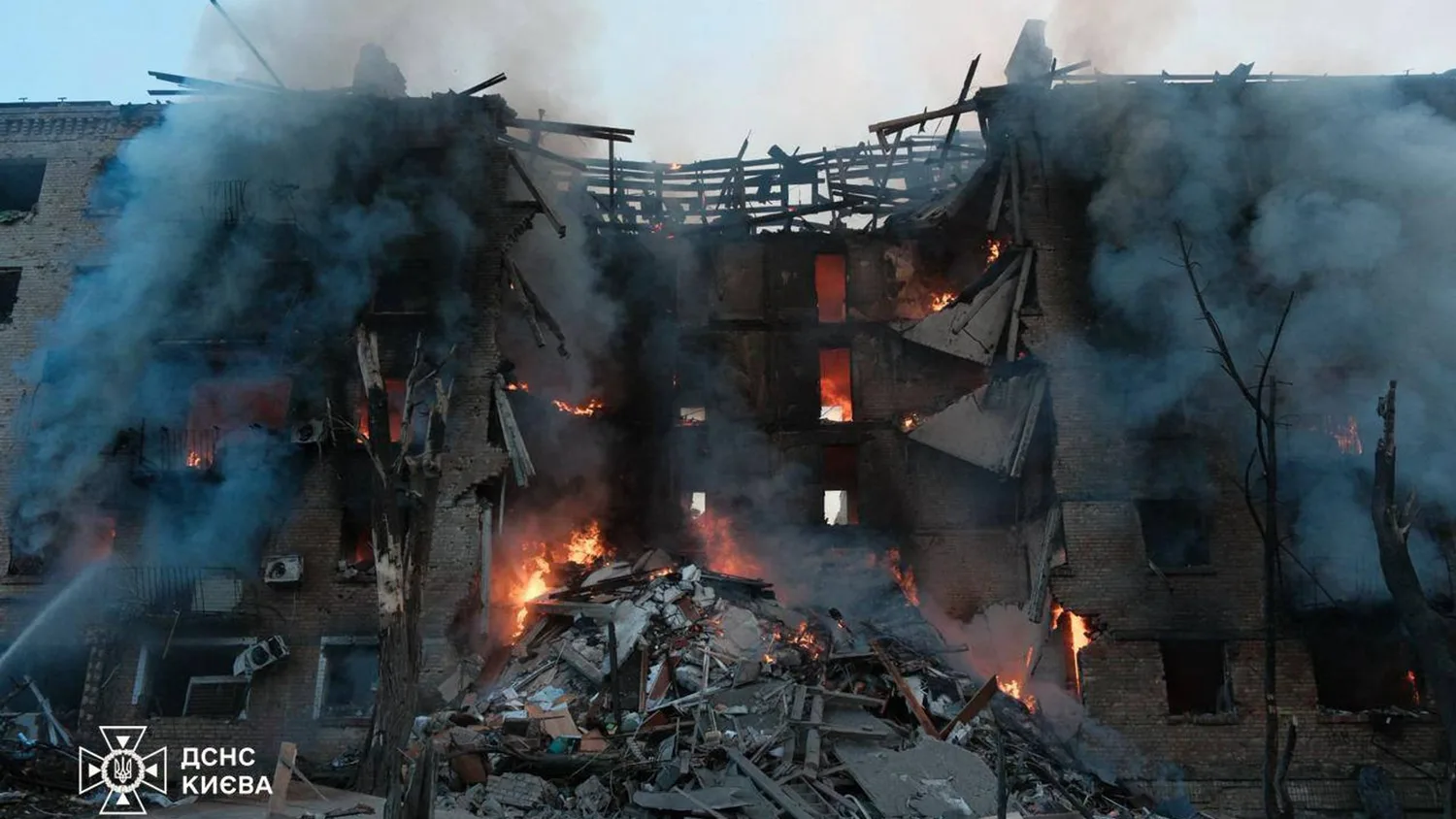
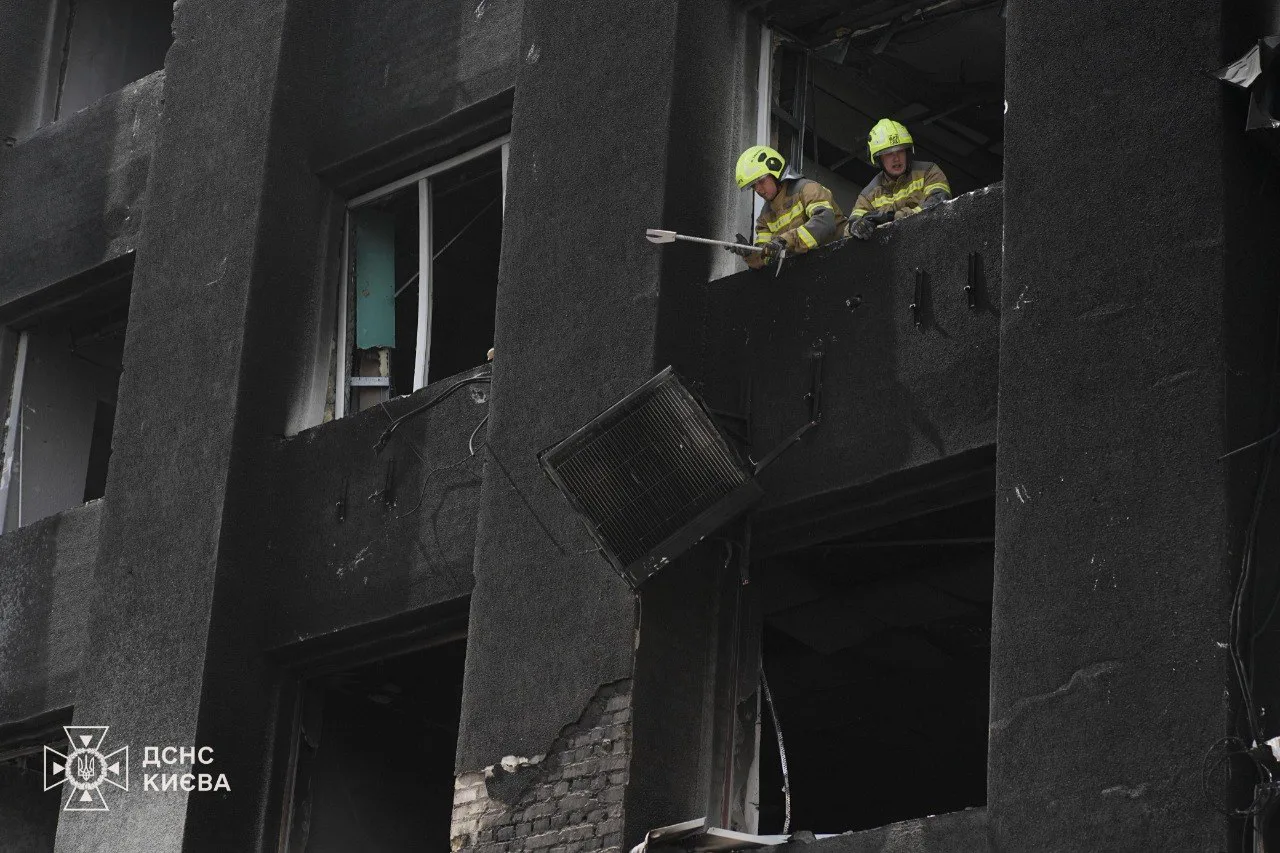
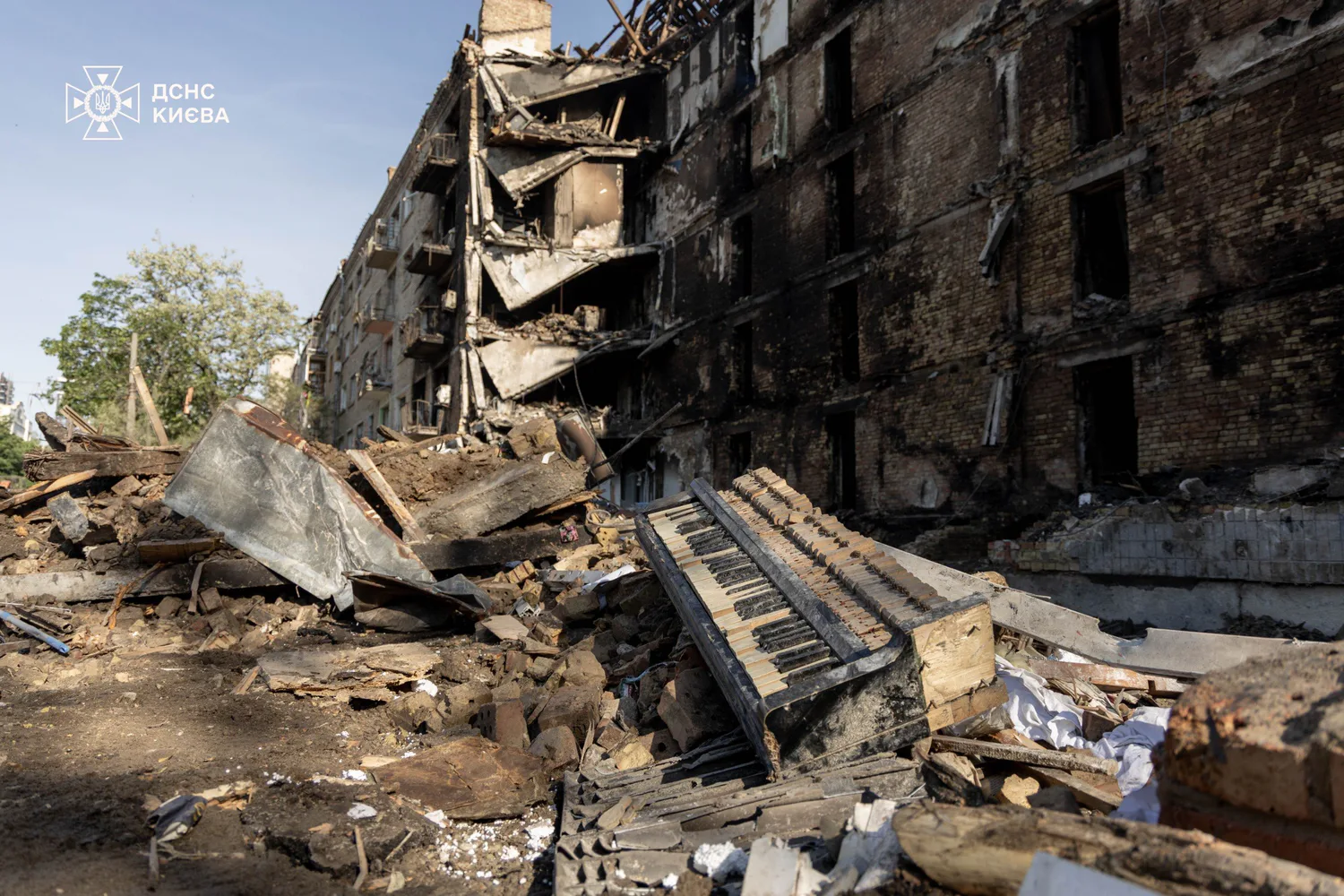
A missile strike this morning in Kharkiv hit the city's industrial area — the attack left one person wounded and caused partial power outages. We examine what happened and why it matters now.

By Tetiana Suchkova-Ladik
January 26, 2026 · 1 min read

What happened
Today Russian forces carried out a missile strike on the Industrial District of Kharkiv. According to the city mayor Ihor Terekhov (source: UNN), explosions were heard in the city; the duration and nature of damage to infrastructure are being clarified.
"A missile strike was carried out on Kharkiv. We are clarifying the consequences."
— Ihor Terekhov, Kharkiv city mayor
Official data
The head of the Kharkiv Regional Military Administration, Oleh Syniehubov, reported that the strikes hit the Industrial District. According to his preliminary information, one person was injured. The aerial threat, the RMA chief said, remains.
"The consequences are being clarified. The aerial threat persists. Stay safe!"
— Oleh Syniehubov, head of the Kharkiv Regional Military Administration
Consequences for residents
Local Telegram channels report partial power outages in some neighborhoods. This affects the work of communal services and requires rapid restoration of electricity to minimize risks to the civilian population.
Context and what it means
Strikes on urban districts and critical infrastructure have been repeatedly recorded in recent months. Experts point to the systematic nature of such attacks: they place additional strain on the power sector and emergency services, lower people's quality of life, and divert resources from defense. For the reader, this means heightened attention to safety and the preparedness of infrastructure services.
What’s next
For now, it is important to await updates from city and regional authorities regarding the number of casualties and the extent of the damage. Local services should prioritize restoring power and inspecting infrastructure. Key advice for citizens — follow official announcements and safety rules during an aerial threat.
The open question is whether the response capacity of local and national services, along with partner support, will be sufficient to quickly minimize the consequences of such attacks and strengthen the protection of urban infrastructure?