Repairs after shelling: Rusanivka and Berezniaky temporarily without heating — 337 customers
Municipal crews are restoring the damaged district heating network on Sobornosti Avenue after the night of shelling on December 27. This is a short-term restriction — but important for preventing widespread outages.

By Tetiana Suchkova-Ladik
January 2, 2026 · 1 min read

Briefly
After enemy shelling on the night of December 27, Kyiv utility services began repairing the heating network on Sobornosti Avenue (Dniprovskyi district). Due to the work, heat supply has been temporarily limited for 337 consumers; repairs are planned to be completed within a day, after which heat is promised to be fully restored.
Who will be affected
According to KMDA and UNN, 160 residential buildings, 14 kindergartens, 9 schools, 3 polyclinics and 151 departmental institutions will be temporarily left without heat. Local authorities ask facility managers to coordinate actions with utility services and report any critical needs.
Officially
"During the work, heat supply will be temporarily limited for 337 consumers in the Rusanka and Berezniaky residential areas. In particular, 160 residential buildings, 14 kindergartens, 9 schools, 3 polyclinics and 151 departmental institutions will be left without heat"
— Kyiv City State Administration (via UNN)
Context and consequences
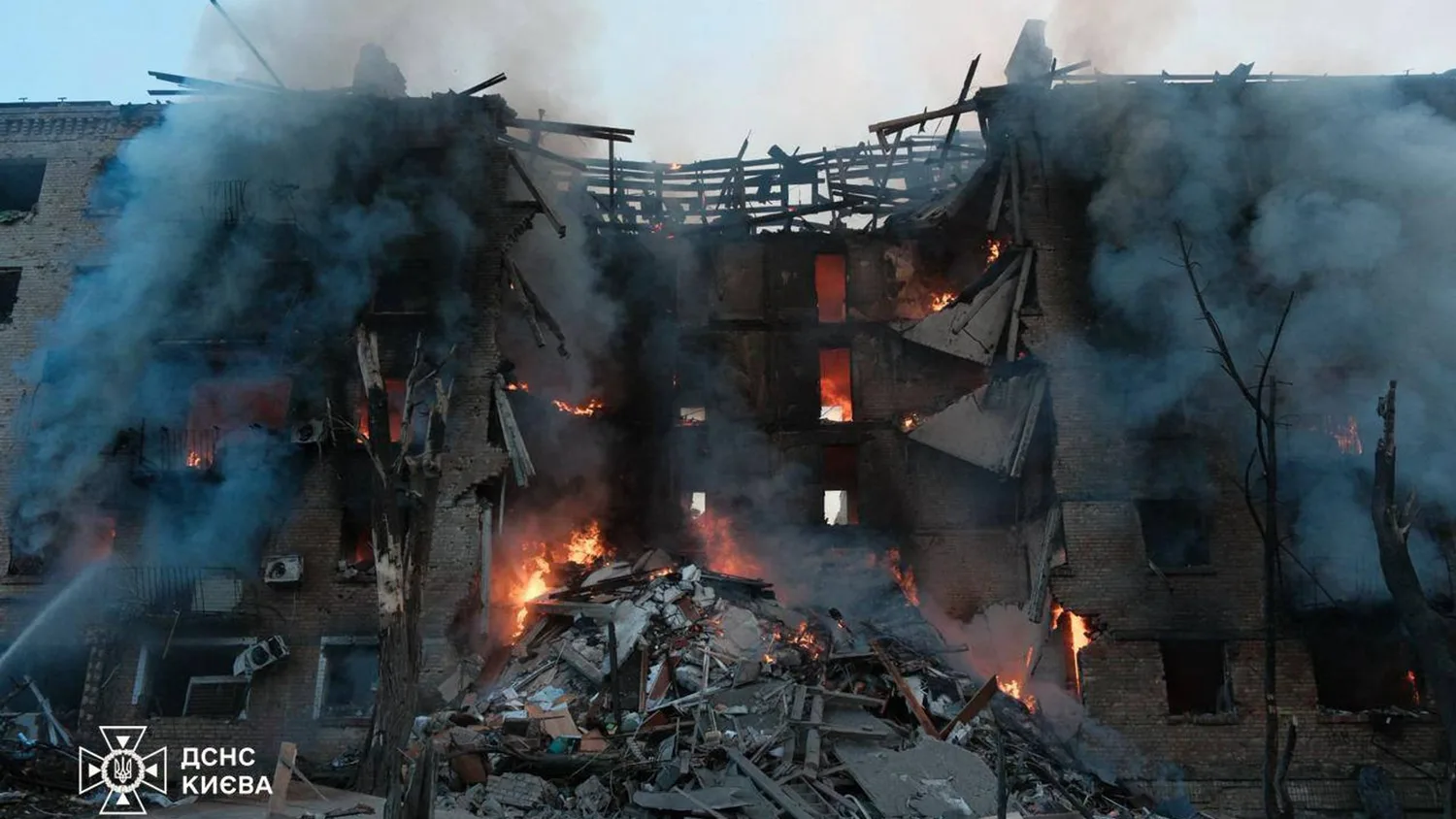
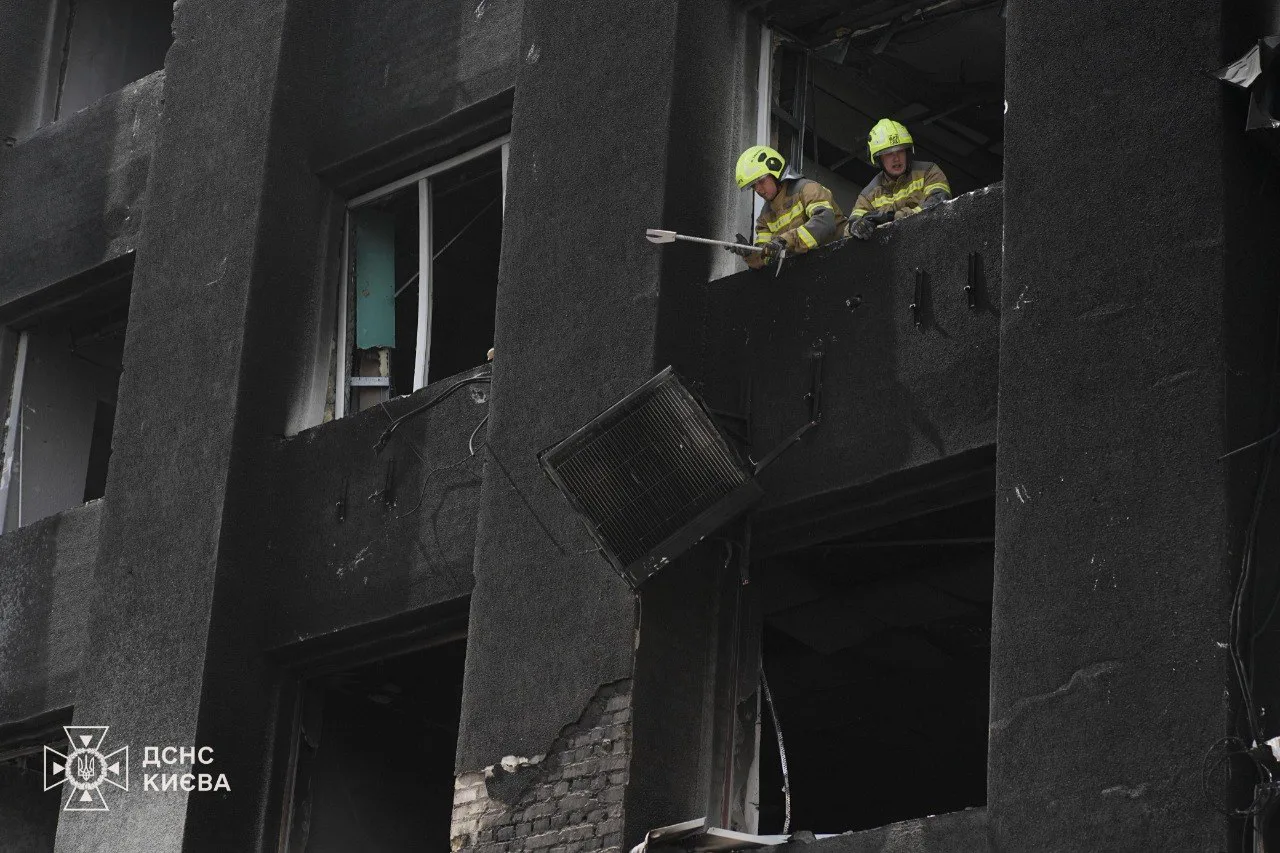
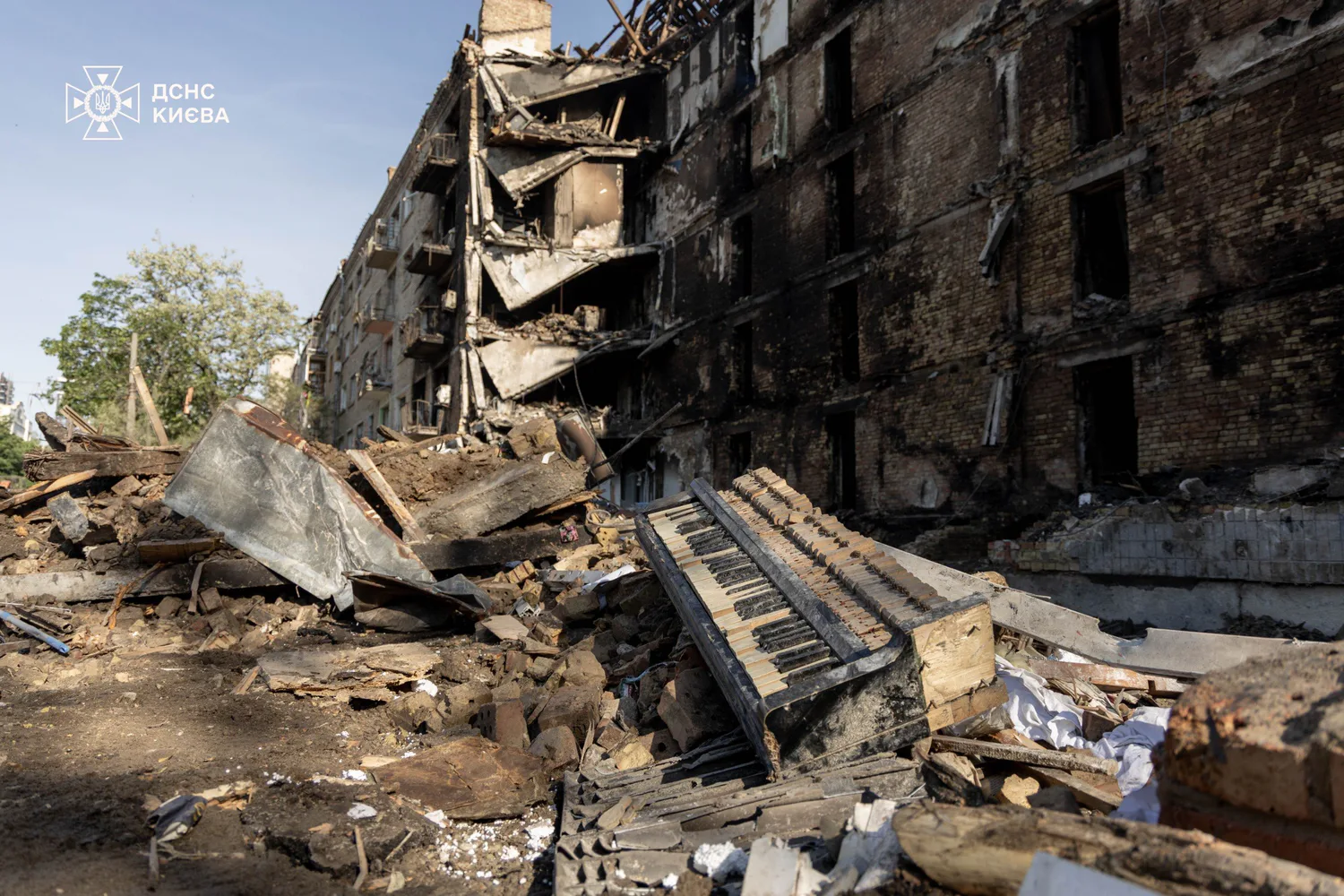
The network was damaged as a result of the nighttime shelling. Law enforcement released footage of the first minutes after the attacks and the evacuation of residents. Among the injured are elderly people and children; the number of injured has risen to 32 people. According to UNN, after the attack more than 40% of Kyiv's residential buildings and part of Obukhiv district were temporarily left without heating, so the local repair on Sobornosti Avenue aims to prevent further spread of problems in the network.
Practical steps for residents
Follow official updates from KMDA, limit unnecessary airing of apartments and coordinate with the administrations of educational and healthcare institutions. If emergency situations arise in your building — contact the city's emergency services.
Conclusion
The work on Sobornosti Avenue is an operational response to infrastructure damage intended to minimize the risk of wider outages. Practical questions remain: will there be enough resources and coordination to quickly restore all damaged sections after the attacks? The comfort and safety of residents in the coming weeks depends on this.