Repatriation of Ihor Ostrovskyi: Three Weeks of Struggle by Family, Journalists, and the State
Death abroad is always a double tragedy. The pain of loss is compounded by bureaucratic chaos and financial bills that the family cannot manage on their own. This is the story of Ihor Ostrovskyi, an athlete from Fastiv, whose life was cut short in Belgium.

By Tetiana Suchkova-Ladik
November 17, 2025 · 3 min read
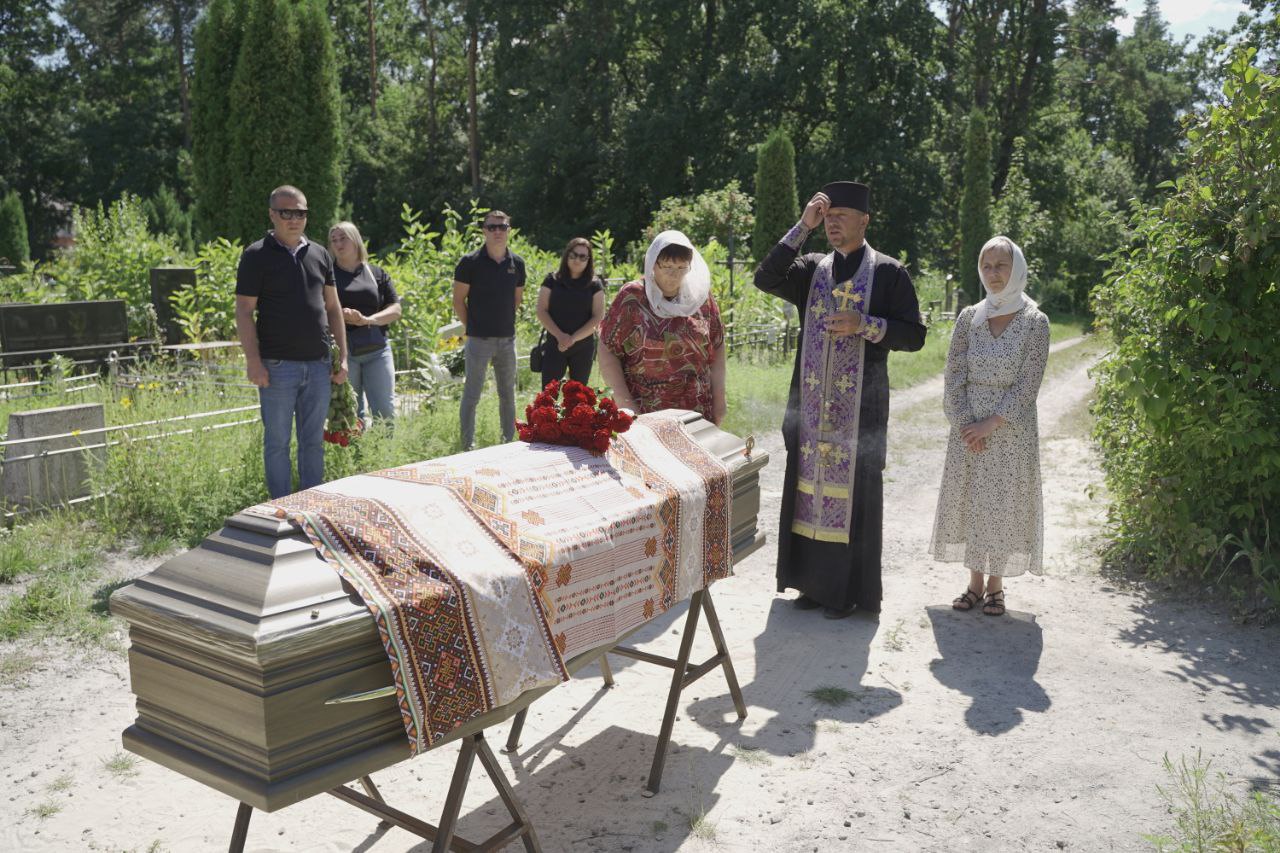
Death abroad is always a double tragedy. The pain of loss multiplied by bureaucratic chaos and financial bills that the family cannot cope with alone. This is the story of Ihor Ostrovskyi, an athlete from Fastiv, whose life was cut short in Belgium.
«A terrible nightmare. God, the golden boy…»
The news of Ihor's death came suddenly. Without details. Without explanations. Just the phrase from the Belgian police: the body is in the local morgue, come and collect it.
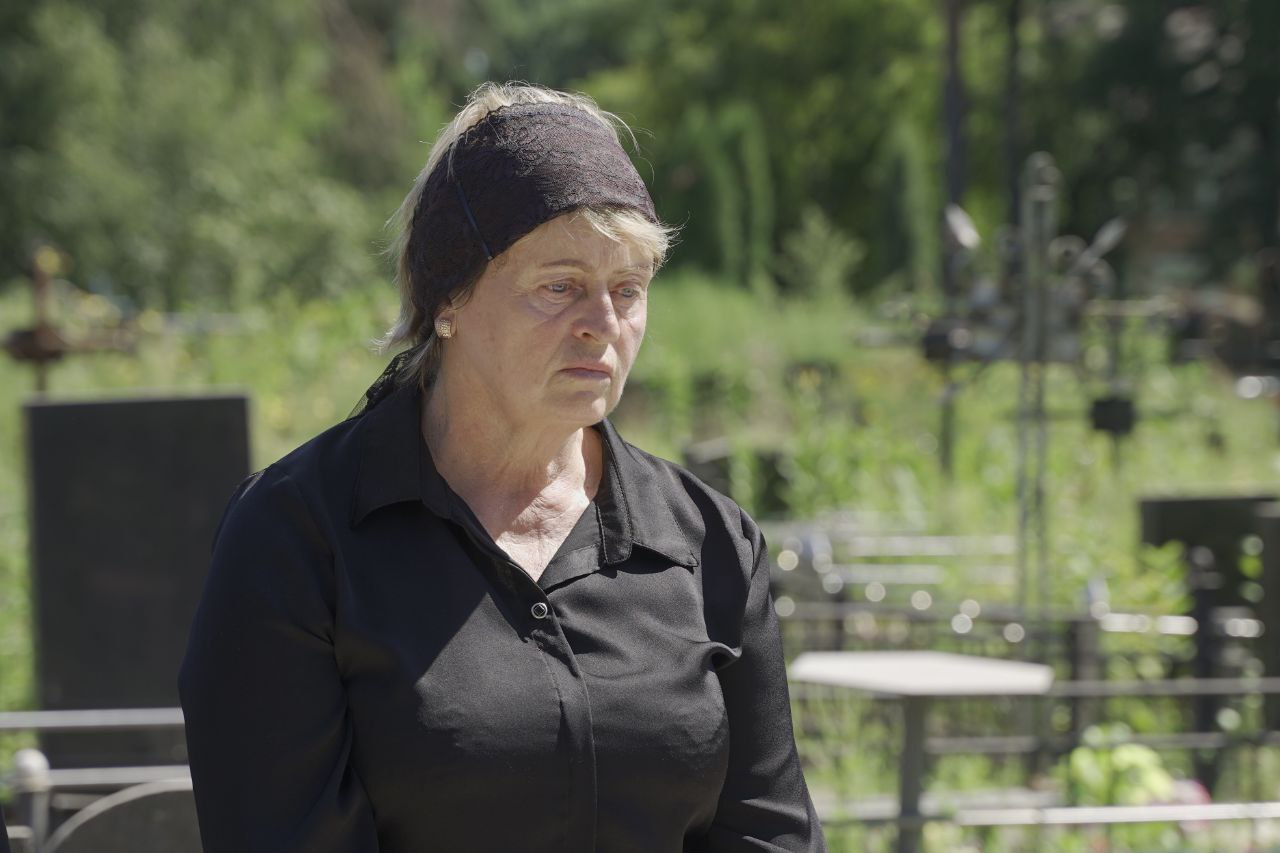
«A terrible nightmare. My brother called and said: Ihor is gone. I said: what do you mean gone? God, the golden boy… I don’t want to say such words as "eternal rest," I want to say other words…» his relatives recall the first moments after the call from Belgium.
Then came only cold numbers. Transporting the body to Ukraine: over 5,000 euros, not counting additional expenses. For pensioners Tetiana and Oleksandr Ostrovskyi, this was an amount beyond reality.
«Such treatment of Ukrainians abroad is inhumane»
The Belgian police advised them to contact the Ukrainian embassy. The embassy responded: collect the body as soon as possible, provided a list of funeral companies, and payment was to be made by the family.
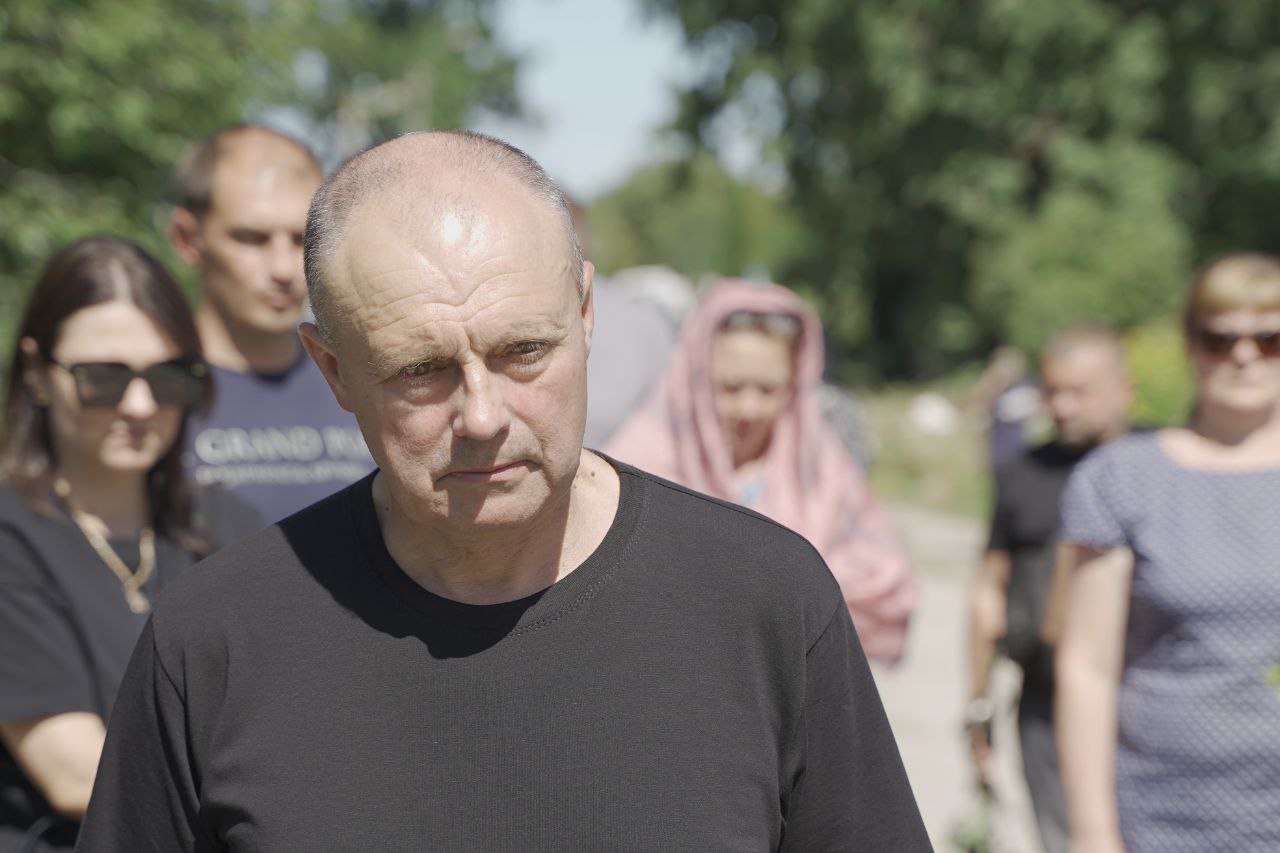
«I could not imagine that their democratic structures abroad could behave this way — in quotes. Such treatment of Ukrainians is inhumane, especially towards Ukrainians abroad,» says Ihor's father about his first experience interacting with Belgian institutions.
The family provided all the documents: Ihor was a person with a disability, left during the full-scale invasion, and was under temporary protection in Belgium. But the response did not change, and the relatives received a refusal.
When officials are silent and time is running out
After several unsuccessful attempts, the parents sought help from Razom.ua. The editorial team began an informational and legal investigation that lasted over three weeks.
During this time, there were:
- dozens of official letters sent
- negotiations conducted with a funeral home in Belgium
- appeals to the Ministry of Foreign Affairs of Ukraine
- appeals to the mayor of Fastiv
- appeals to the Office of the Commissioner of the Verkhovna Rada for Human Rights
It was Ombudsman Dmytro Lubinets who first intervened at the state level. He officially appealed to the Ministry of Foreign Affairs, after which the Ministry considered the case substantively.
The Ministry of Foreign Affairs makes a decision: the state covers the costs
After reviewing all the documents, the Ministry of Foreign Affairs of Ukraine made a positive decision. The Ukrainian embassy in Belgium officially announced:
«Payment for funeral services has been made in accordance with Cabinet Resolution No. 651. The consular department, together with the funeral home, is carrying out all preparatory measures for the transportation of the body to Ukraine.»
Important: There is no state program in Ukraine that fully covers repatriation. However, Cabinet Resolution No. 651 allows the state to partially or fully reimburse expenses in certain cases — if there are grounds. And these grounds were proven.
«Every Ukrainian in the world should know: they will not be left behind»
Communities also joined the process. The head of the Bilohorod community, Anton Ovsienko, upon learning of the tragedy, reached out to the mayor of Fastiv. This activated a chain of support that moved the situation forward.
«It was necessary to communicate local self-government bodies with each other and with state structures. We are grateful to the Ukrainian embassy in Belgium — they ensured repatriation under extremely difficult conditions. The coordinating role of the Ministry of Foreign Affairs is key. The state of Ukraine does not leave its citizens anywhere. Every Ukrainian in the world should feel that they are cared for,» explains the mayor of Fastiv.
Conclusion: The story of Ihor Ostrovskyi is proof that mechanisms for state assistance exist, but they need to be activated. Many families do not even know about the legal possibilities for reimbursement of repatriation expenses.