Russia spent $361 million on shelling Ukraine on December 6
Russia spent more than $360 million on a massive strike against Ukraine on December 6. It launched 653 drones, 34 cruise missiles, 14 Iskanders and three Kinzhal missiles. That money could have built six hospitals or provided housing for 15,000 families.

By Oleg Bazylewicz
December 8, 2025 · 1 min read
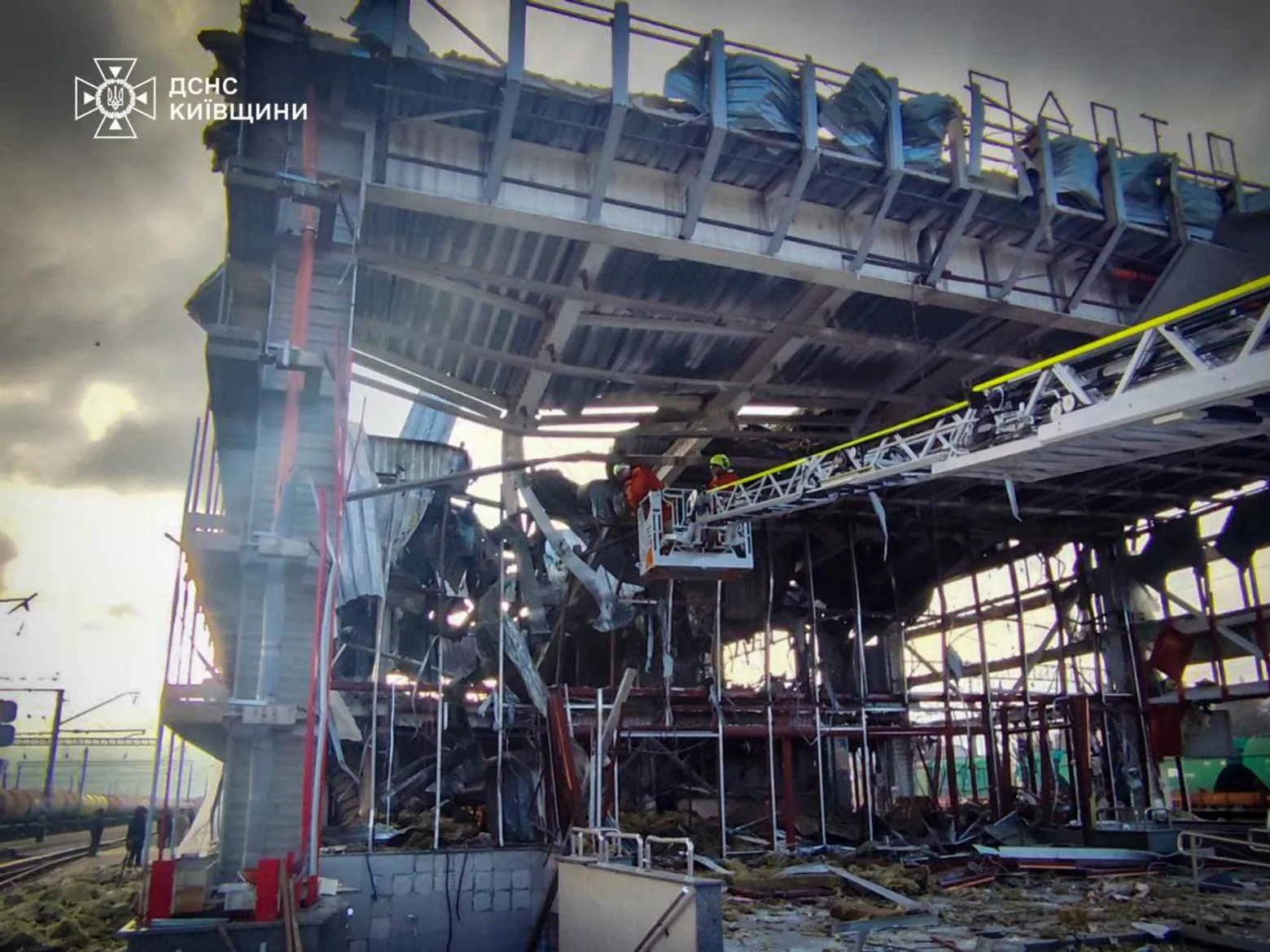
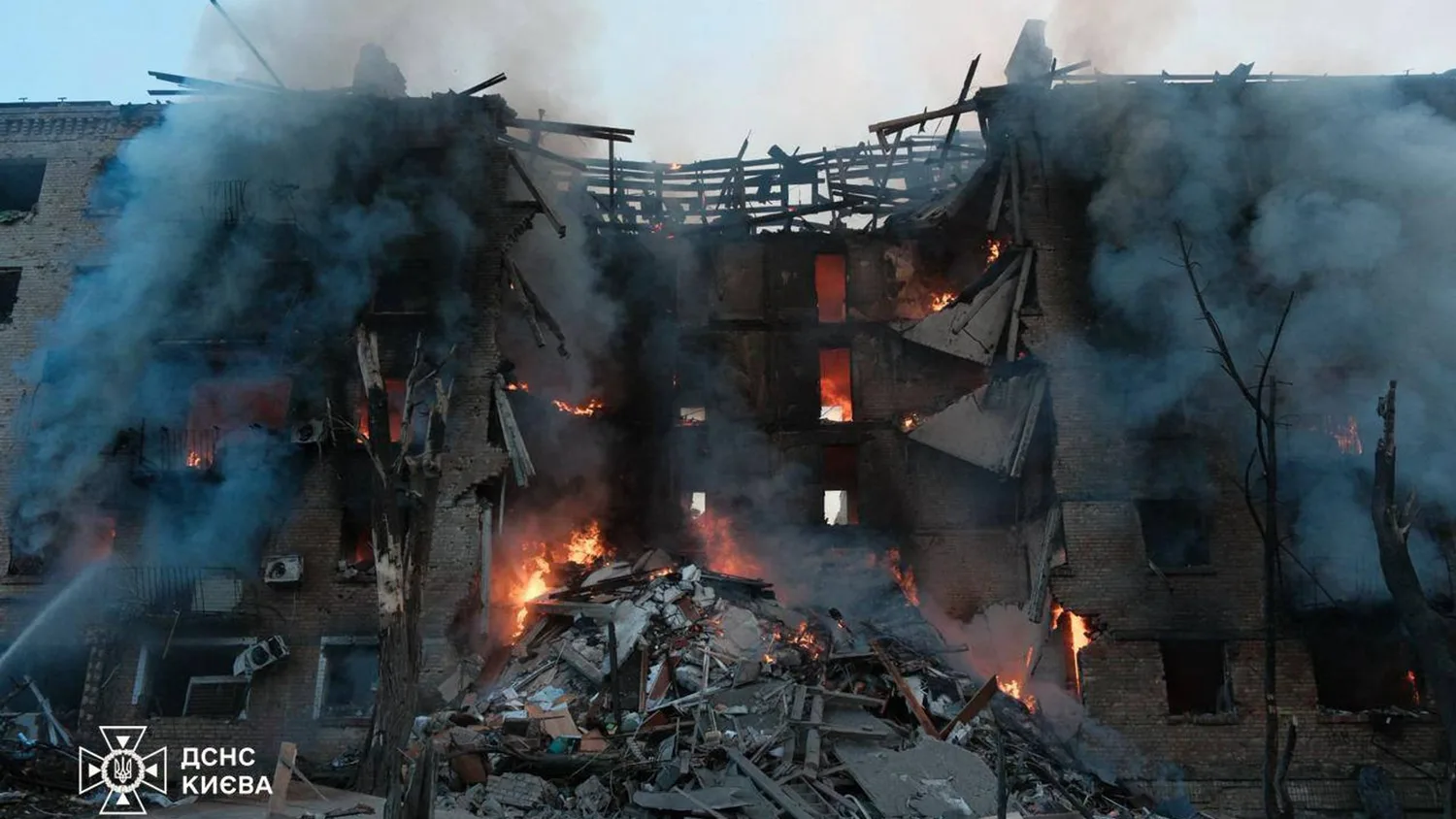
One massive strike by Russia on Ukraine costs $361 million. This was reported by the Southern Defense Forces, detailing the cost of the attack on the night of December 6.
Strike composition
The occupiers launched at Ukraine:
→ 653 drones – approximately $15.5 million;
→ three "Kinzhal" missiles – about $36 million;
→ 34 cruise missiles – roughly $254 million;
→ 14 "Iskander-M" missiles – approximately $56 million.
Alternative uses for the funds
The Southern Defense Forces gave examples of what Russia could have done if it had used these funds not for war against Ukraine, but for developing its own country. With $361 million, it could have:
→ built up to 120 water treatment plants to provide drinking water to tens of thousands of people;
→ replaced 1,000 km of district heating networks that burst every winter;
→ provided new housing for 15,000 families living in unsafe buildings;
→ built six district hospitals and purchased critical equipment for them;
→ erected more than 100 schools and kindergartens in villages where children still study in dilapidated premises.
Russia once again proves: it is ready to spend hundreds of millions on missiles, but not ready to invest even a penny in its own people. $361 million – a choice between life and death, between development and degradation
– Southern Defense Forces
Context
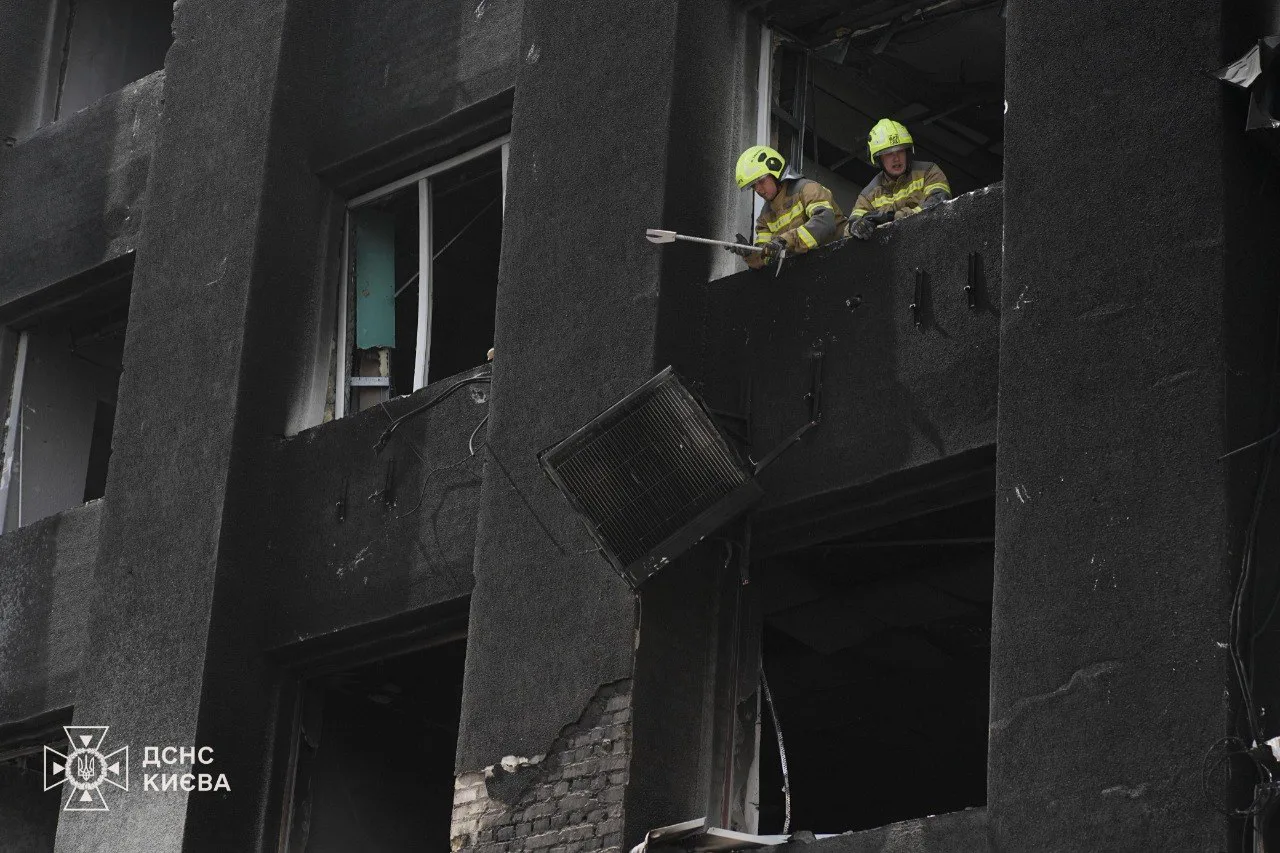
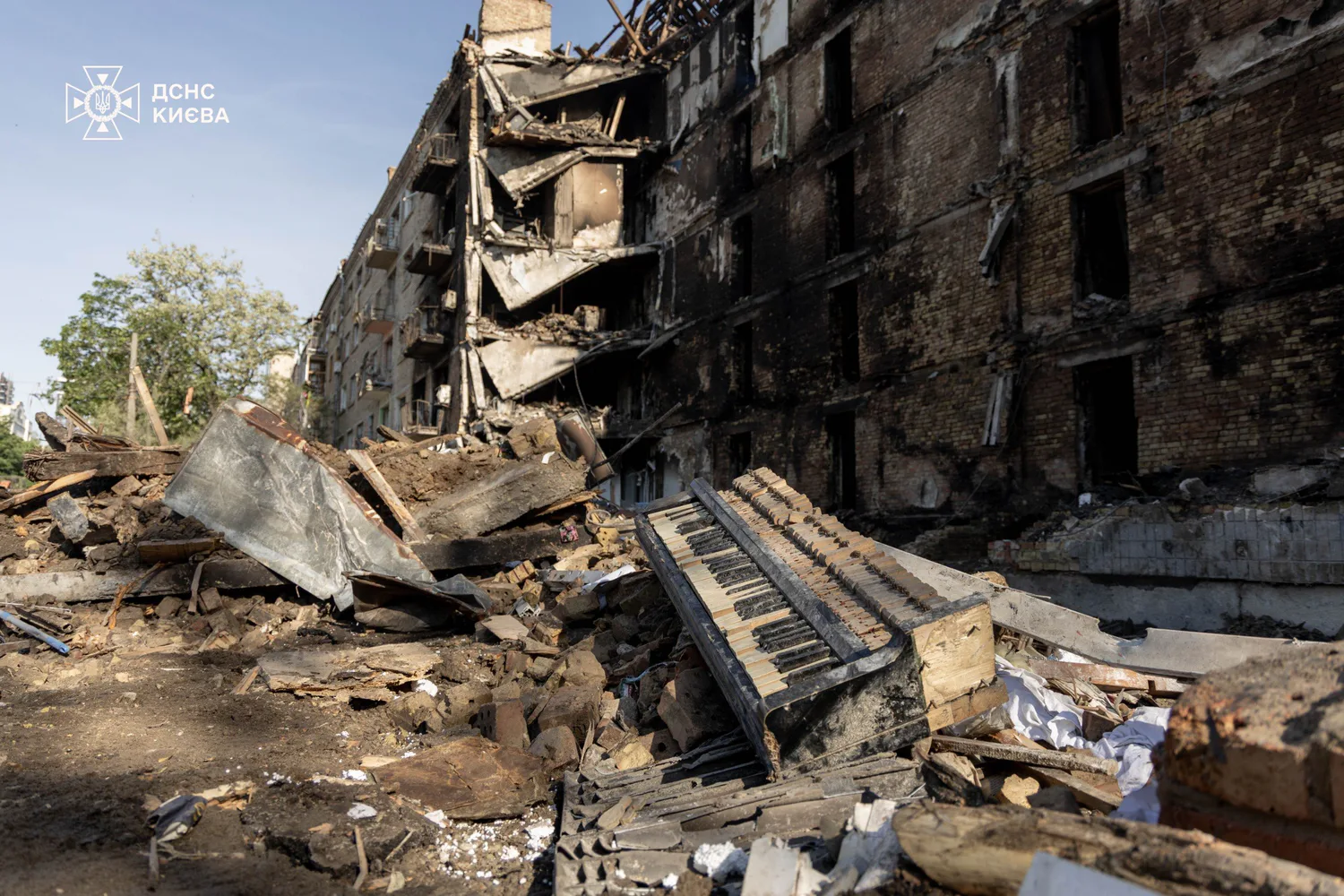
The massive strike on December 6 was another attack by Russia on Ukraine's energy and civilian infrastructure. The occupiers continue to spend billions on missiles and drones, attempting to leave Ukrainians without power, heat and water ahead of winter.