Series of strikes on Kharkiv's Slobidskyi district — air defenses repel most attacks
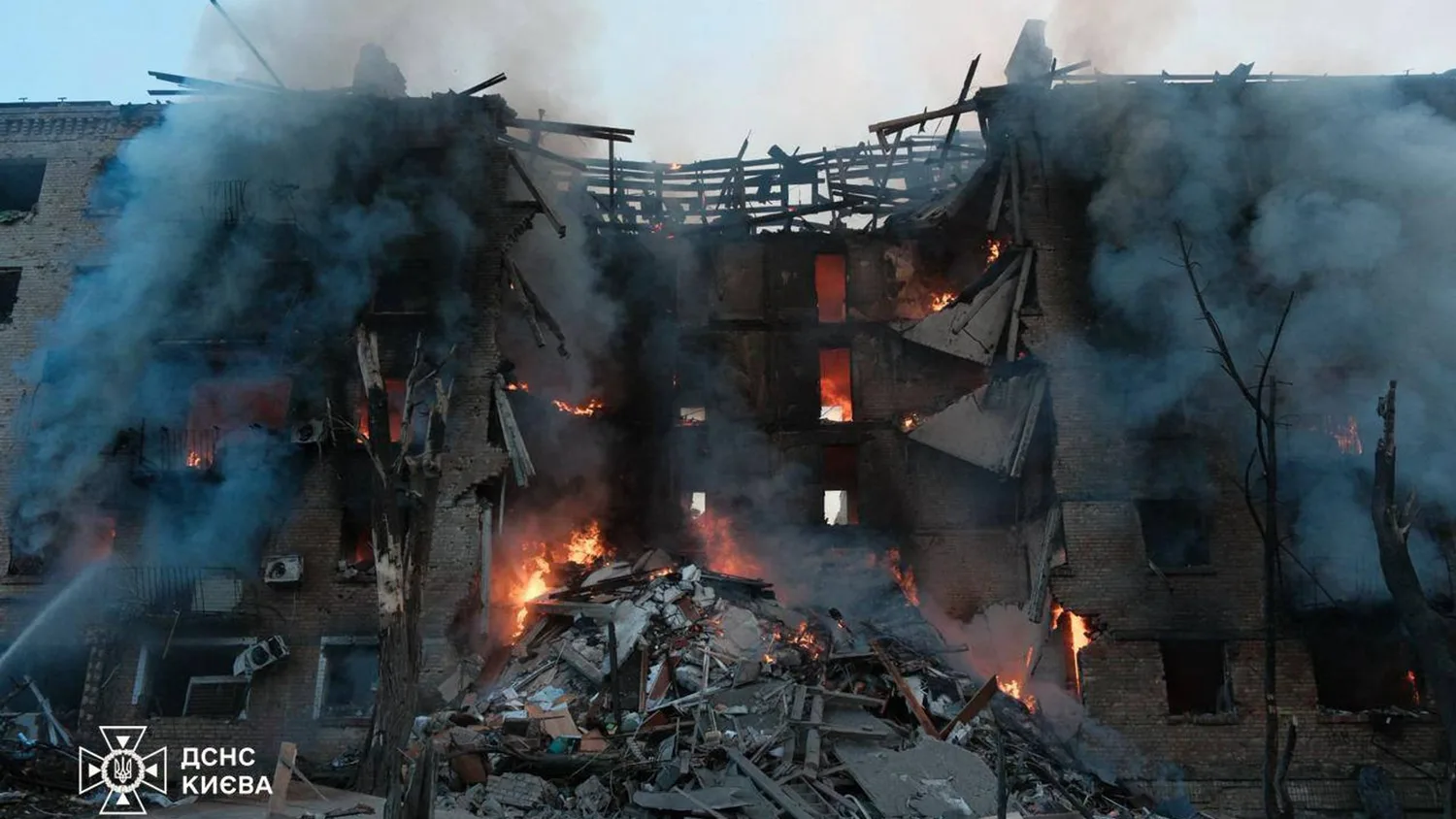
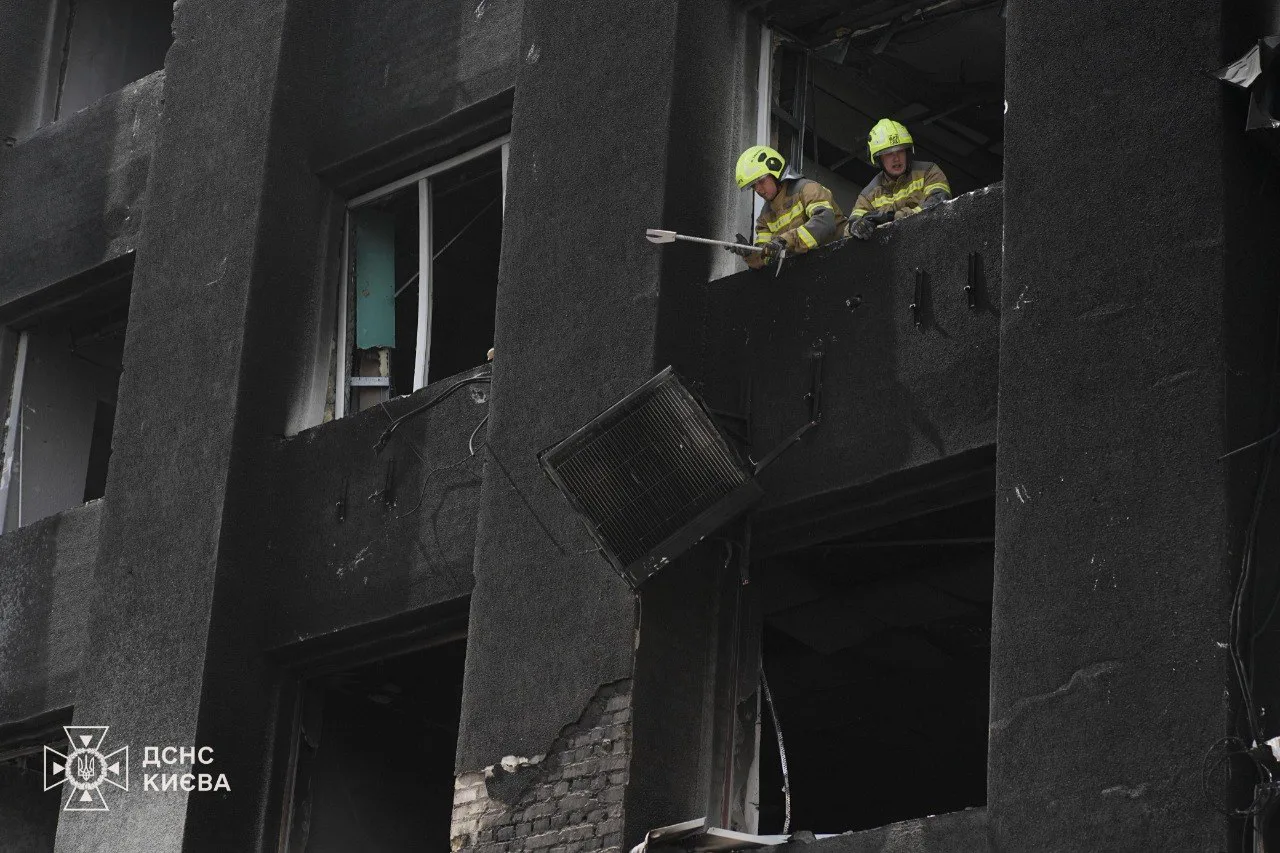
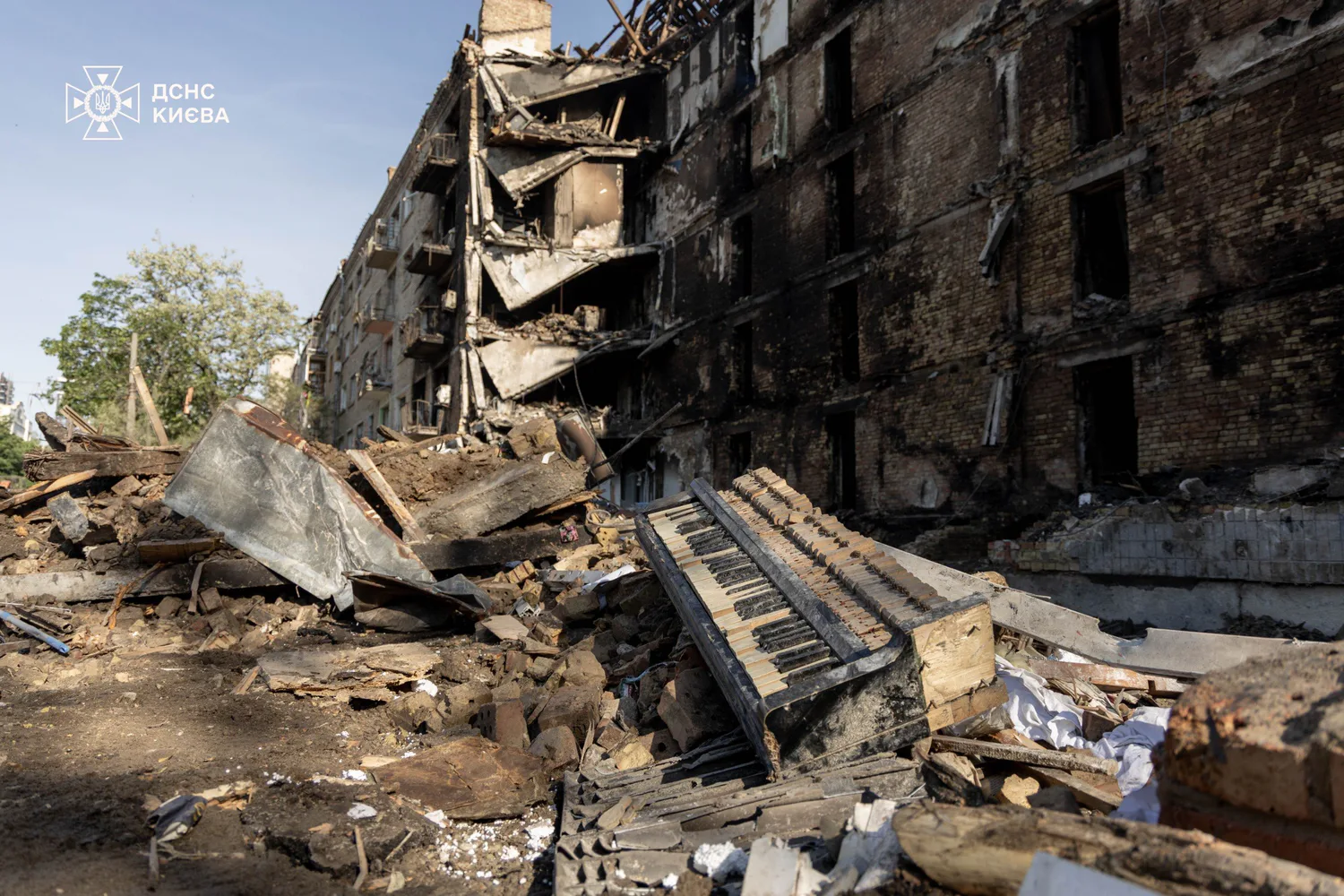
This morning Kharkiv sustained several enemy strikes in the Slobidskyi district. Local authorities warn of a threat to the city, while air-defence briefings indicate a large proportion of drones were neutralized. We analyze what this means for the security of Kharkiv and the country.

By Tetiana Suchkova-Ladik
January 19, 2026 · 1 min read

What happened
In the morning a series of enemy strikes was recorded on the Slobidskyi district of Kharkiv, as reported by the head of the Kharkiv Regional Military Administration, Oleg Syniehubov, and Mayor Ihor Terekhov on Telegram, writes UNN. Local authorities are promptly recording impacts and informing residents about the situation.
"According to preliminary information, the enemy struck the Slobidskyi district of Kharkiv"
— Oleg Syniehubov, head of the Kharkiv Regional Military Administration
"An enemy strike on the Slobidskyi district of the city has been recorded. The enemy continues to shell the city — further impacts have been recorded"
— Ihor Terekhov, mayor of Kharkiv
What is known about the weapons used and the defense
According to reports, during this wave of attacks across Ukraine 126 of 145 drones were neutralized. This shows that air defense systems are working and significantly reduce the effectiveness of the attacks, but do not completely eliminate the risks to urban infrastructure and people.
Why this matters
First, strikes on densely populated areas always pose a risk to civilians and infrastructure — even if a significant portion of the attacks is repelled. Second, the statistics on neutralized drones underscore the role of air defense as a key element of the city's security and the need for the constant replenishment of stocks and detection systems.
Analysts note that such series of attacks test the ability of local services to respond during prolonged waves of strikes and serve as a reminder of the importance of coordination with defense partners.
Conclusion
Kharkiv has once again faced enemy attacks — local authorities are recording impacts, and air defenses are showing a high level of interceptions. Next steps include maintaining communication with citizens, documenting the consequences, and building up the city's defensive capabilities. For now the priority is to reduce risks to people and to prevent the strikes from becoming a tool of pressure on the community's viability.