Tuesday, May 26, 2026
Today's Edition

EveryNews

Stories that matter, signal over noise

War

Once Again on the Cause of the War

On December 4, 1991, the Central Election Commission for the election of the President of Ukraine and for the all‑Ukrainian referendum issued Resolution No. 60. The resolution states: "The Act proclaiming the independence of Ukraine shall be considered confirmed."

Oleg Bazylewicz

By Oleg Bazylewicz

December 8, 2025 · 1 min read

Once Again on the Cause of the War

In fact, this is the main reason for the war. No matter what the Kremlin says about NATO,  some supposed persecutions, the Kyiv regime, etc. — it is the very existence of an independent Ukraine that is the primary reason for Russia's armed aggression.

An independent Ukraine that determines and shapes its own domestic and foreign policy is something the Kremlin will never accept, something it will fight against and seek to avenge by any means available. Always.

It should be understood that Russia attacked Ukraine as soon as it was able. It will not stop its aggression until it has exhausted all its capabilities for waging war. And as soon as such capabilities reappear, Russia will do the same again.

Even if there is some reconciliation, on any terms — there will be no lasting peace. The threat will persist as long as Russia exists as a quasi-imperial pseudo-state entity.

If anyone disagrees — read the resolution, so to speak, "through the Kremlin's eyes".
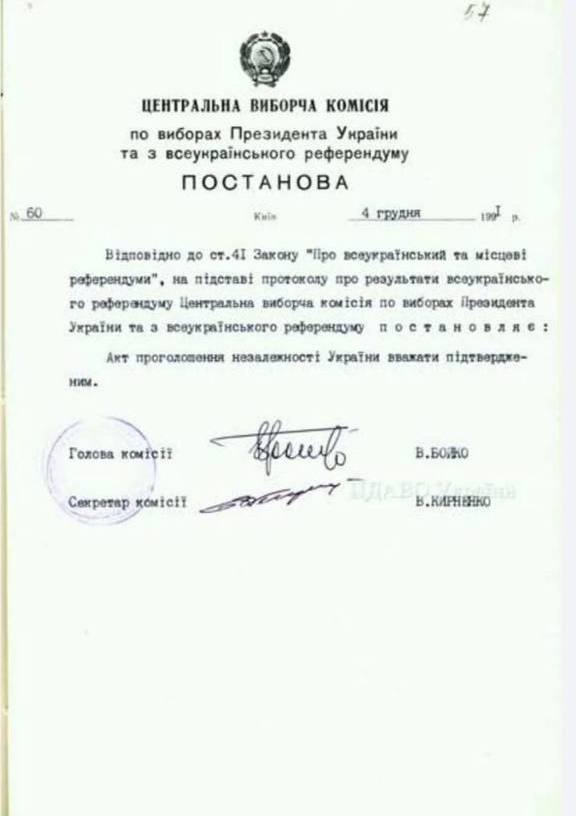
Photo 2025 12 08 19 15 37

Related

Latest

Business

EU Against Google: Why the Latest Fine Could Change More Than Previous Ones

# European Regulators Target Google Again — This Time Over Digital Markets Act Violations. What's Behind the Accusations and Why It Matters Beyond the Corporation European regulators have renewed their scrutiny of Google, this time focusing on alleged violations of the Digital Markets Act. The charges underscore Brussels' increasingly aggressive stance on big tech monopolies and what officials say are anticompetitive practices. The accusations center on how Google leverages its dominance across multiple digital services — from search to advertising to mobile platforms — to disadvantage competitors. Regulators claim the company is using its market power in ways that stifle innovation and limit consumer choice. The case carries significance far beyond Google itself. It signals how the EU is attempting to enforce its landmark Digital Markets Act, legislation designed to curb the gatekeeping power of tech giants. A potential penalty could set precedent for how other large technology companies face similar scrutiny. For consumers and smaller tech firms, the outcome could reshape the digital landscape by creating more room for competition. For Google, fines and operational restrictions could fundamentally alter its business model in Europe, the world's most stringent regulatory market. The case also reflects a broader geopolitical divide, with the EU pursuing a regulatory approach that contrasts sharply with the lighter-touch oversight favored in the United States.

May 26, 2026