Court remands Russian agent suspected of the Obolon terrorist attack — 60 days without bail
A court ordered 60 days’ pretrial detention without the right to post bail for the suspect in the vehicle blast in Kyiv’s Obolon district, where a National Guard serviceman and his companion were injured. The ruling underscores the work of the security services and raises questions about further public-safety measures in Kyiv.

By Tetiana Suchkova-Ladik
January 5, 2026 · 2 min read
Court decision and its significance
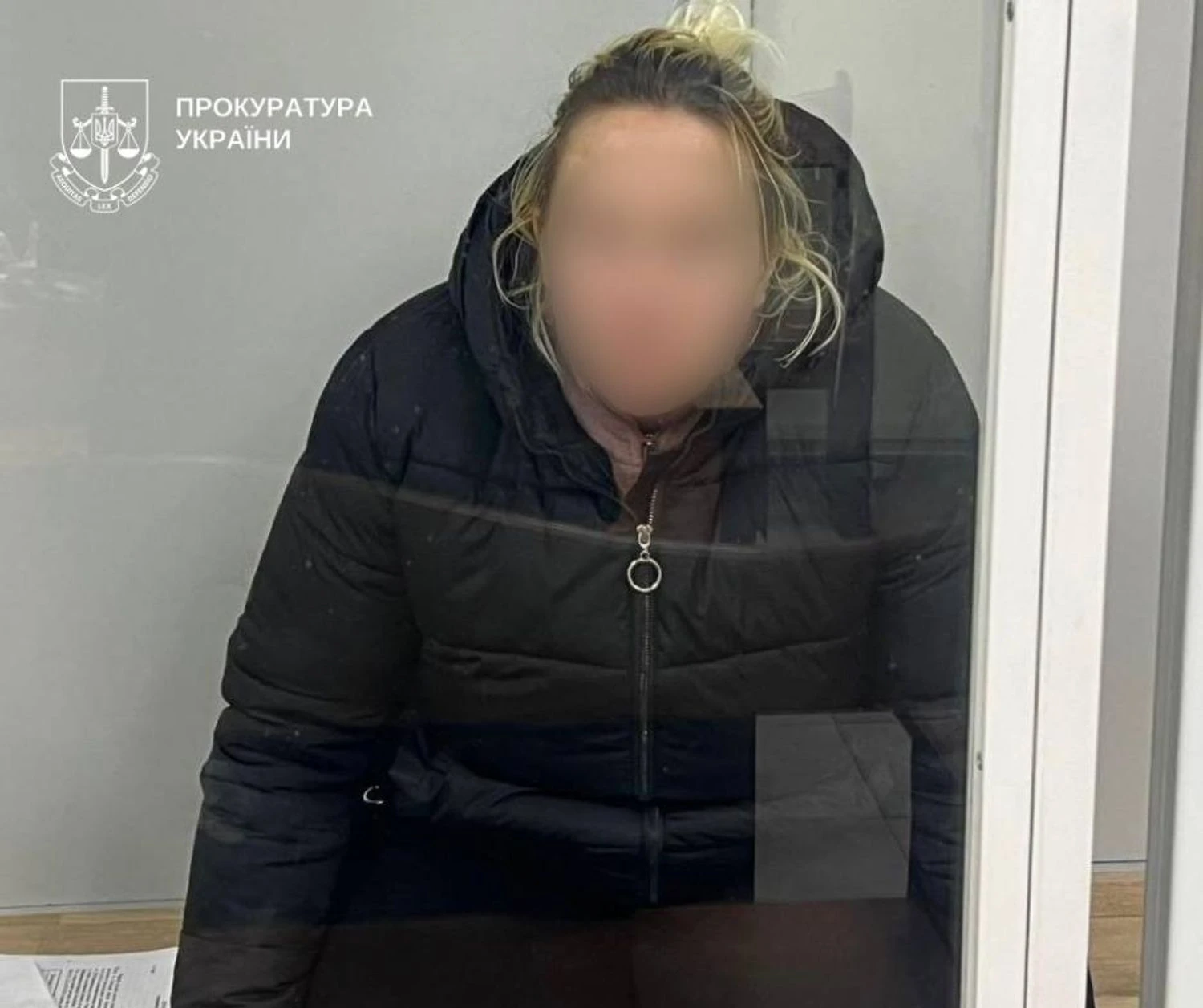
The court imposed a preventive measure in the form of detention for 60 days without the right to post bail for a Kyiv resident suspected of the terrorist attack in Obolon. This was reported by the Kyiv City Prosecutor's Office and UNN. The court's decision has not only a procedural effect — it demonstrates the law enforcement system's stance on incidents that pose a potential threat to citizens.
Details of the incident
An explosion of an SUV occurred in the Obolonskyi district of the capital. A serviceman of the National Guard and his companion were injured as a result of the blast. Law enforcement officers, canine units and explosives technicians worked at the scene, which indicates intensive investigative activity.
According to the SBU, on January 4 a woman was detained whom they classify as a Russian agent — she is accused of blowing up the car of a Ukrainian serviceman. This detail is important for understanding the motives and context of the offense.
The Kyiv resident suspected of carrying out the terrorist attack in Obolon, which injured a National Guard serviceman and his companion, has been placed in custody without the right to post bail for a period of 60 days
— Kyiv City Prosecutor's Office
Why this matters
First, detention without the possibility of posting bail signals an assessment of risks: the possibility of flight, concealing evidence or posing a repeated threat. Second, the fact of the detention and the swift court decision underscore the SBU's work and the coordination of law enforcement agencies in the capital's security.
Experts and law enforcement note that even isolated incidents have systemic consequences for the security regime: from movement control measures in certain districts to strengthened inspections of vehicles and critical infrastructure.
What next
The case will continue to be investigated — whether specific charges will be brought depends on the criminal-procedural actions and on what arguments and evidence the prosecution presents. For citizens, another point is more important: the operating scheme of the services that made it possible to detain the suspect, and the preventive measures that reduce the risk of repeat attacks.
The key question now for law enforcement and city authorities is: what operational and preventive steps will be taken to minimize similar threats in the future?