Third "Oreshnik" — at Bila Tserkva garages: what is known about the strike and accuracy questions
On the night of May 24, Russia struck Bila Tserkva — 80 kilometers from Kyiv — with a ballistic missile "Oreshnik," while destroying several districts of the capital with other weapons. This marks the third combat use of the weapon that the Kremlin claims is invulnerable.

By Tetiana Suchkova-Ladik
May 25, 2026 · 2 min read

On the night of May 24, the Air Force confirmed: Russia launched a medium-range ballistic missile RS-26 "Rubezh" (in propaganda — "Oreshnik") from the Kapustin Yar test site in Astrakhan Oblast. The target was the Bila Tserkva area in Kyiv region. This is the third combat use of the missile during the full-scale invasion: the first strike hit Dnipro in November 2024, the second targeted an object in Lviv region in January 2025.
What is known about the consequences
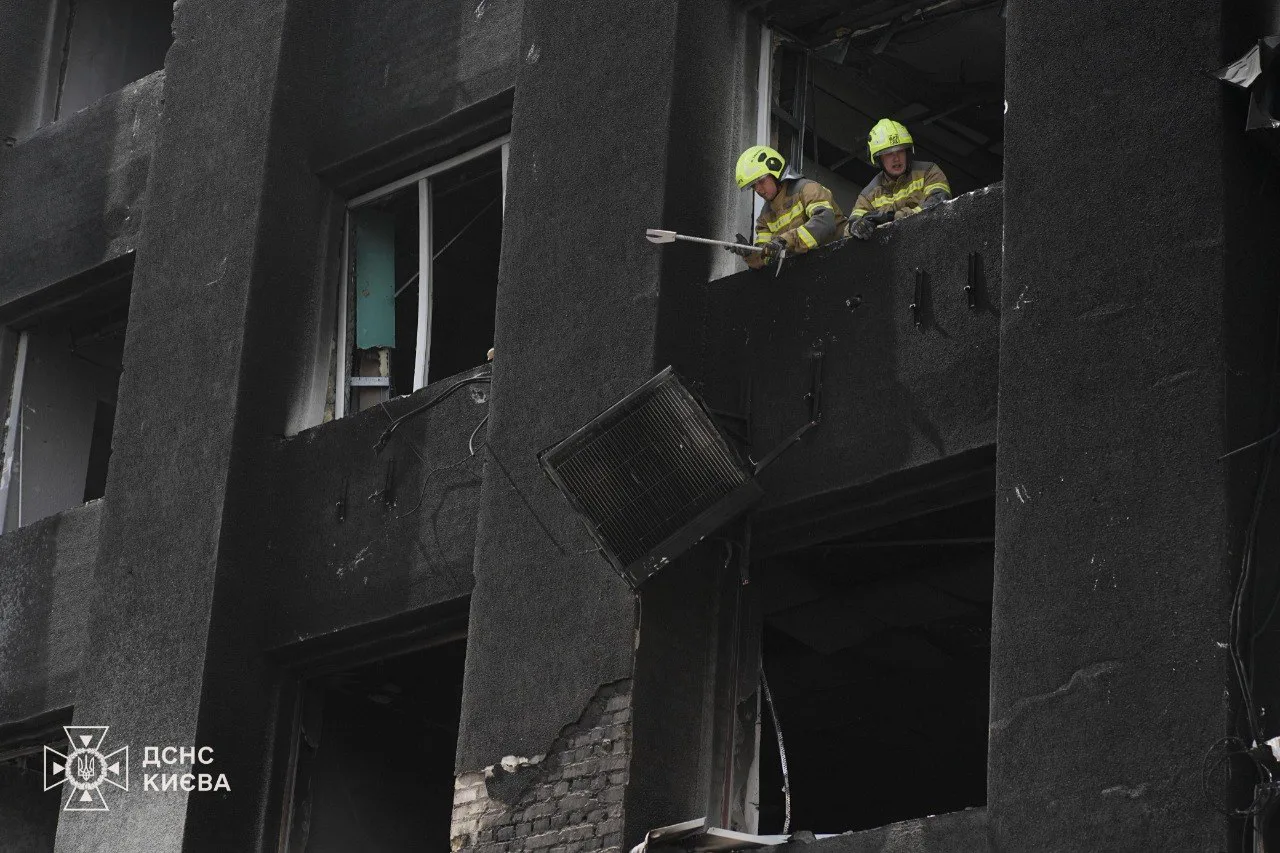
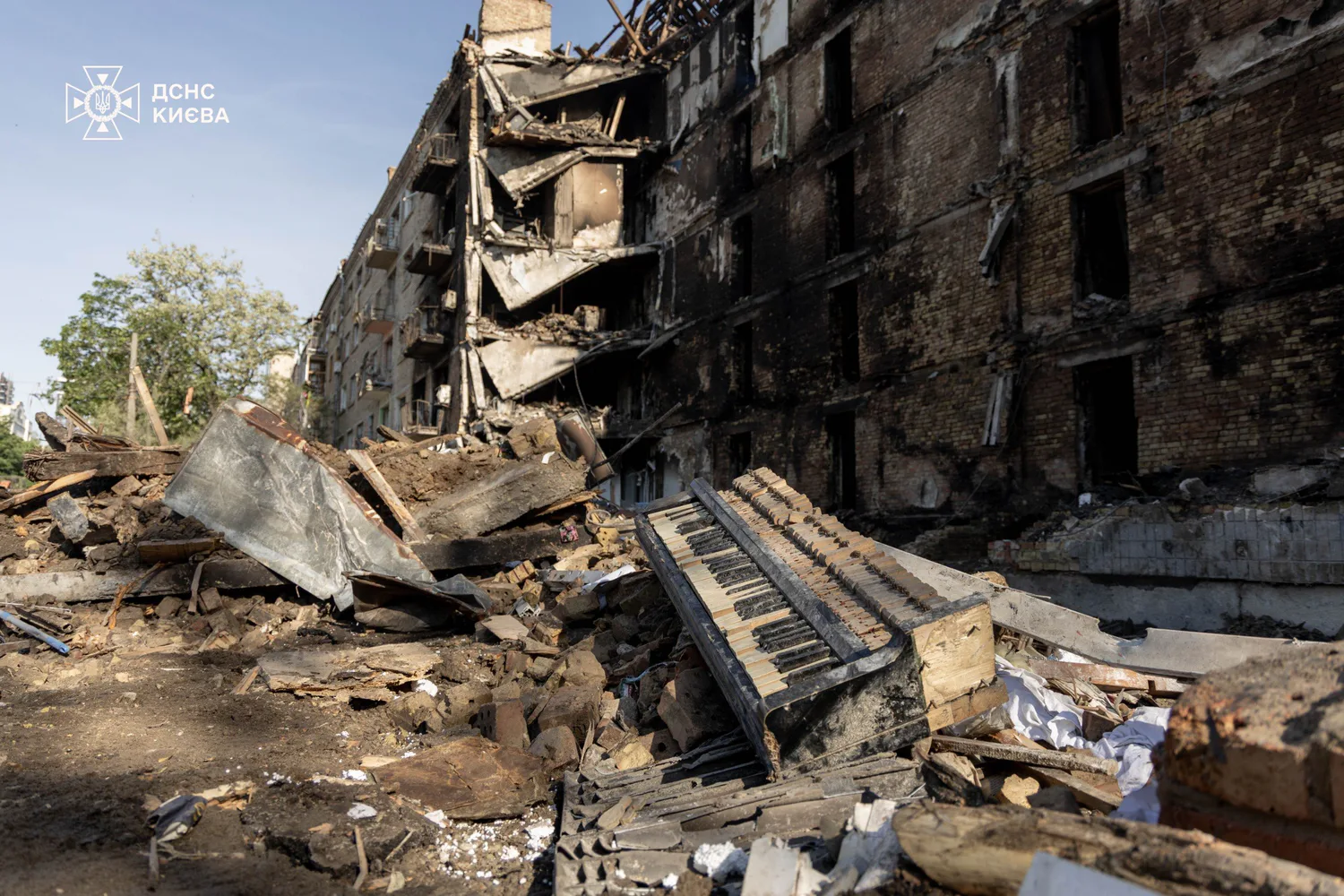
According to the State Emergency Service of Kyiv region, after the impact, three garages in a garage cooperative caught fire and burned down. Across Kyiv region, 110 objects were damaged, two people were killed, and 11 were injured. The main strike of the night fell on Kyiv: damage was recorded in every district of the capital, among those affected was an infant.
"Putin launched his 'Oreshnik' at Bila Tserkva. They are truly insane. It is important that this does not go unpunished for Russia."
President Zelenskyy, Telegram, May 24
The Russian Ministry of Defense claimed a "retaliatory strike" on "military command facilities." The fact of hitting garages was even mocked by pro-Russian Z-bloggers, dissatisfied with the absence of a nuclear warhead.
Accuracy questions: miss or intentional target?
Defense Express analysts raised a specific question: did the "Oreshnik" miss Kyiv by 80 kilometers? According to their assessments, the two previous attacks — on Dnipro and Lviv region — may also indicate limited accuracy of the missile: it carries several separate warheads and is not capable of providing Iskander-class accuracy (5–10 m CEP). An alternative version is a deliberate strike on the Bila Tserkva airfield, where sensitive Western weapons could have been stored. The OSINT channel CyberBoroshno recorded hits directly in the garage cooperative.
- The missile's speed, according to intelligence and Western experts' assessments, exceeds 12,000 km/h
- The carrier can carry both conventional and nuclear warheads
- The Pentagon identifies "Oreshnik" as a modification of the RS-26 "Rubezh"
- None of the three strikes were accompanied by official objective control data from Moscow
The total massive strike of the night included 690 weapons — 90 missiles and over 600 drones, with hits recorded in 54 locations across the country, and fragments from destroyed targets falling in 23 more locations. Next week, EU foreign ministers plan to discuss strengthening international pressure on Russia in response to the strike.
If subsequent "Oreshnik" strikes again show deviations from stated targets — the question about the real combat value of the missile for Moscow will become a subject not only of blogger ridicule, but also of strategic reconsideration of its role as a tool of pressure on the West.