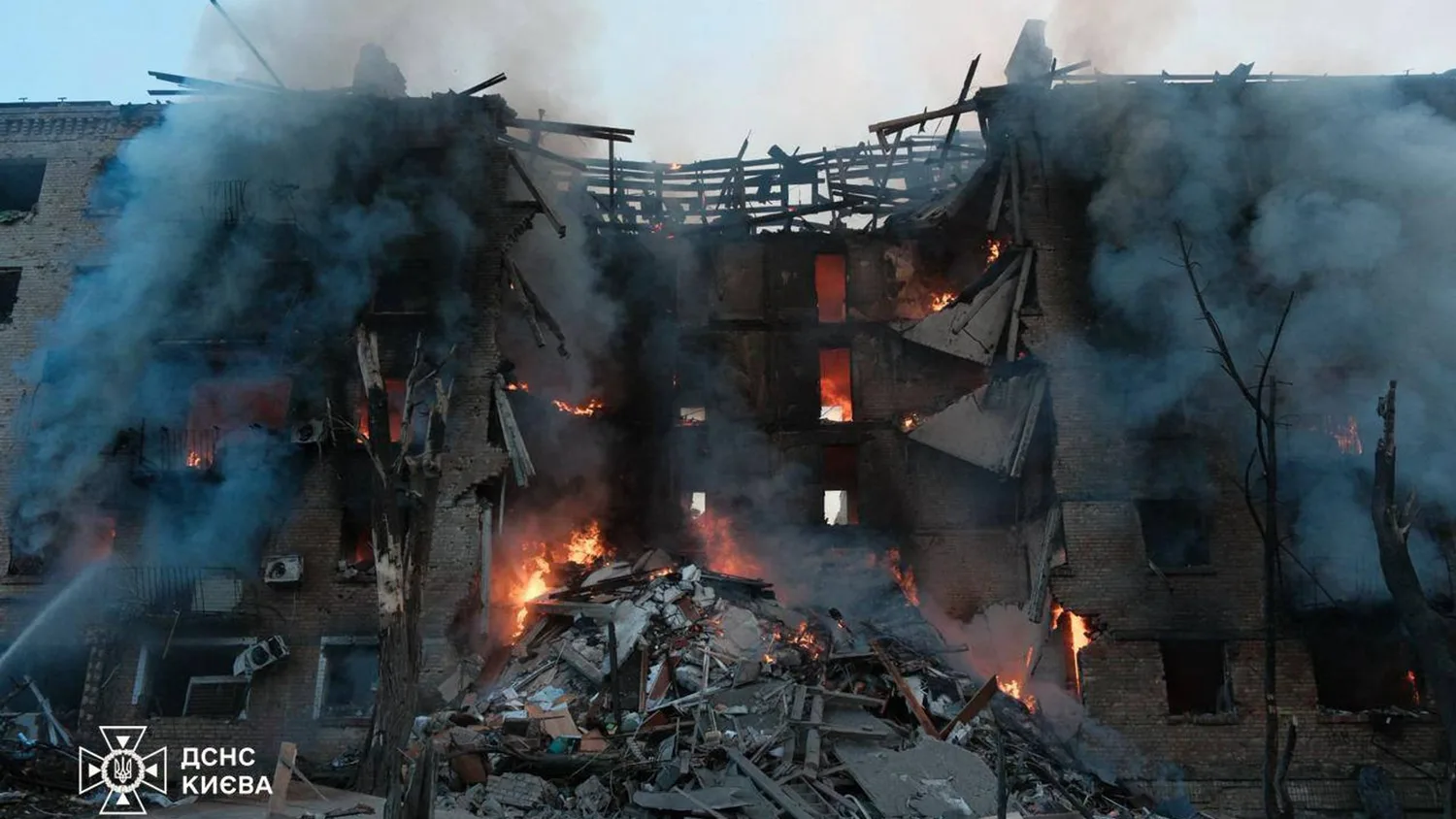
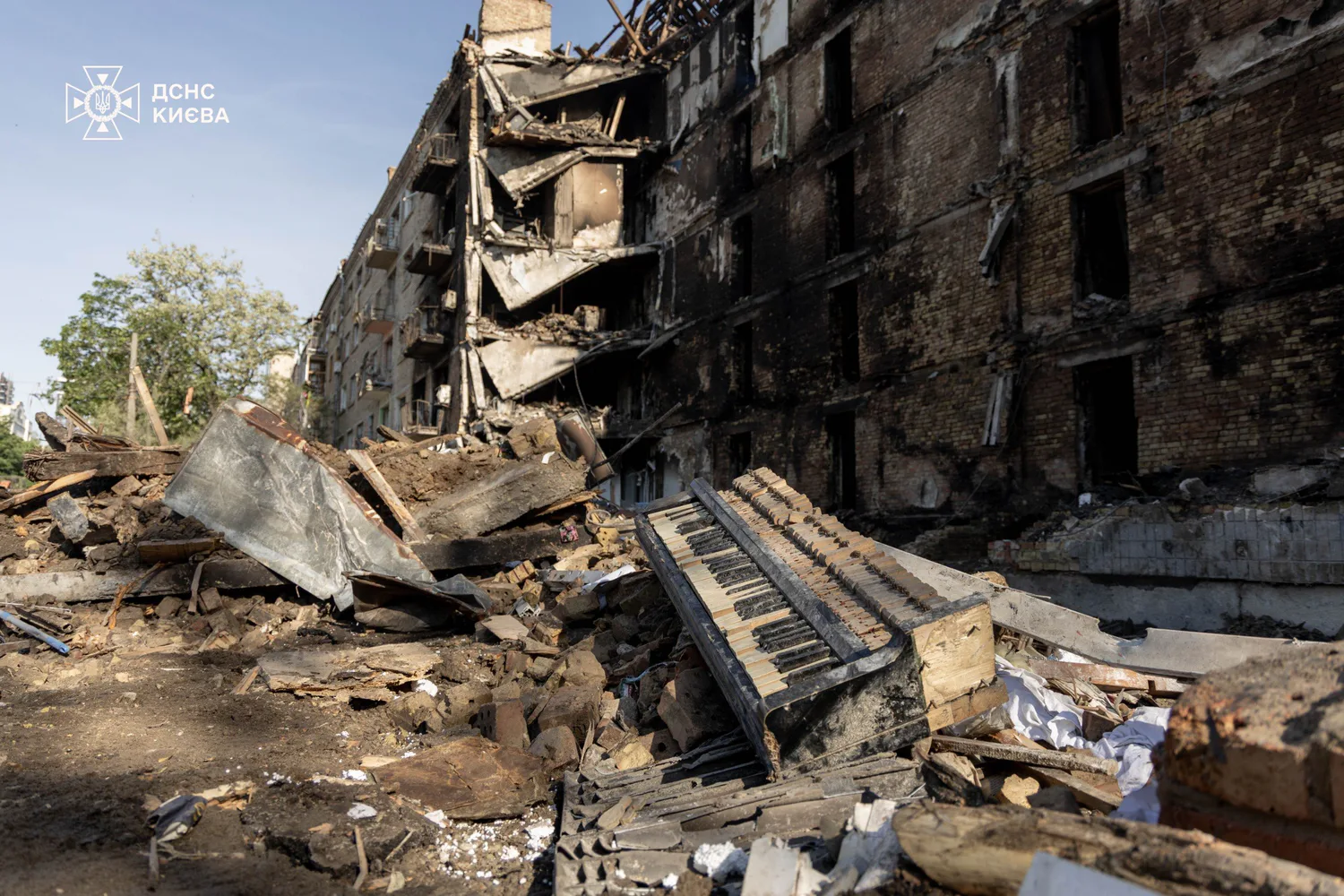
Troyeshchyna: heat supply being restored after shelling — what has already been done and what risks remain
Municipal crews and international partners are restoring heat to homes in Troieshchyna. We explain what has been done, who received compensation, and why the coming days are critical for the city's energy system.

By Tetiana Suchkova-Ladik
February 14, 2026 · 2 min read
Briefly
According to UNN and KMVA head Timur Tkachenko, the supply of the heat carrier to homes in Troyeshchyna and adjacent districts in Kyiv is being restored after Russian shelling. Specialists are working at the neighborhood level — checking whether water reaches the heating system and bleeding air to restore circulation.
What has already been done
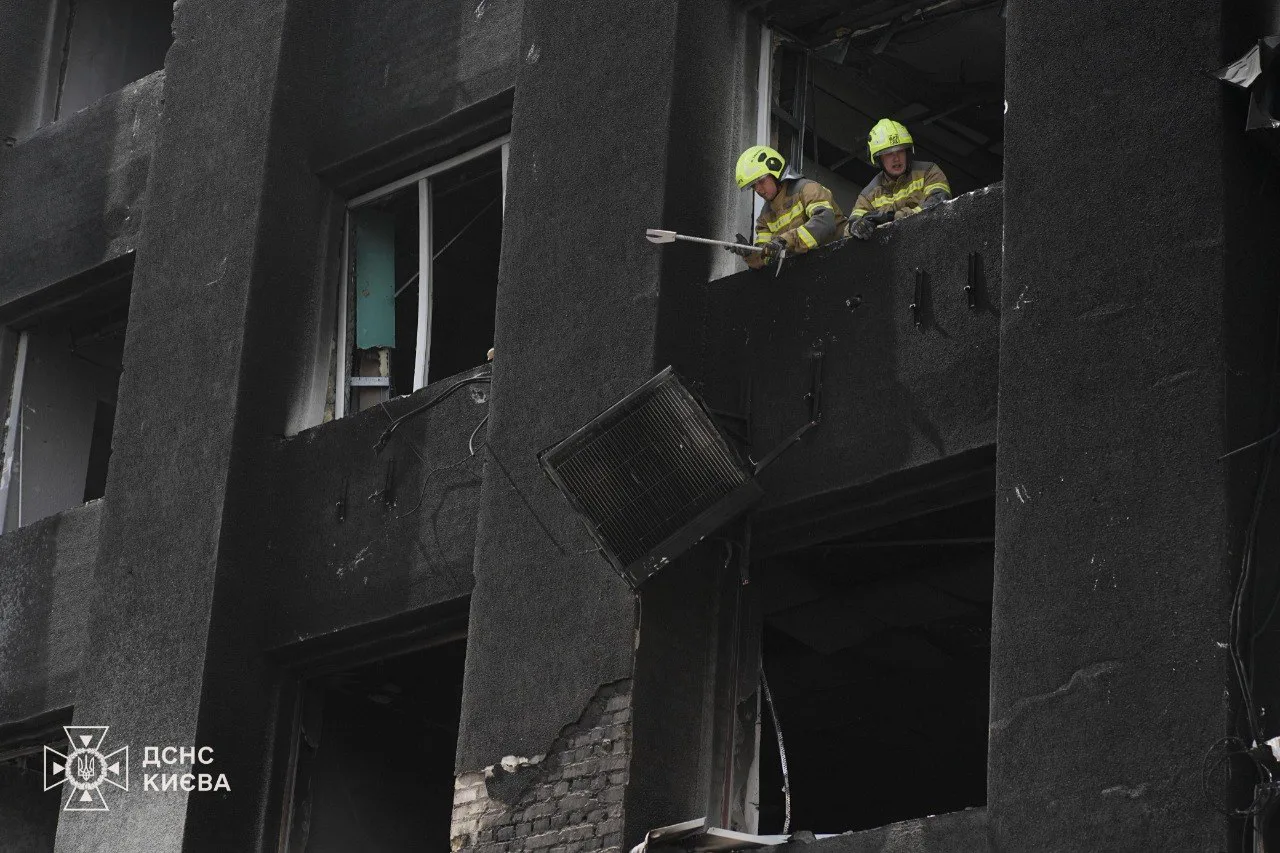
The city has mobilized repair crews, deployed equipment and experts, and stepped up payments: workers involved in the cleanup are entitled to one-time payments of 20,000 UAH. In addition, the capital received a large number of generators from international partners, reducing the risk of power outages during repairs to the heating networks.
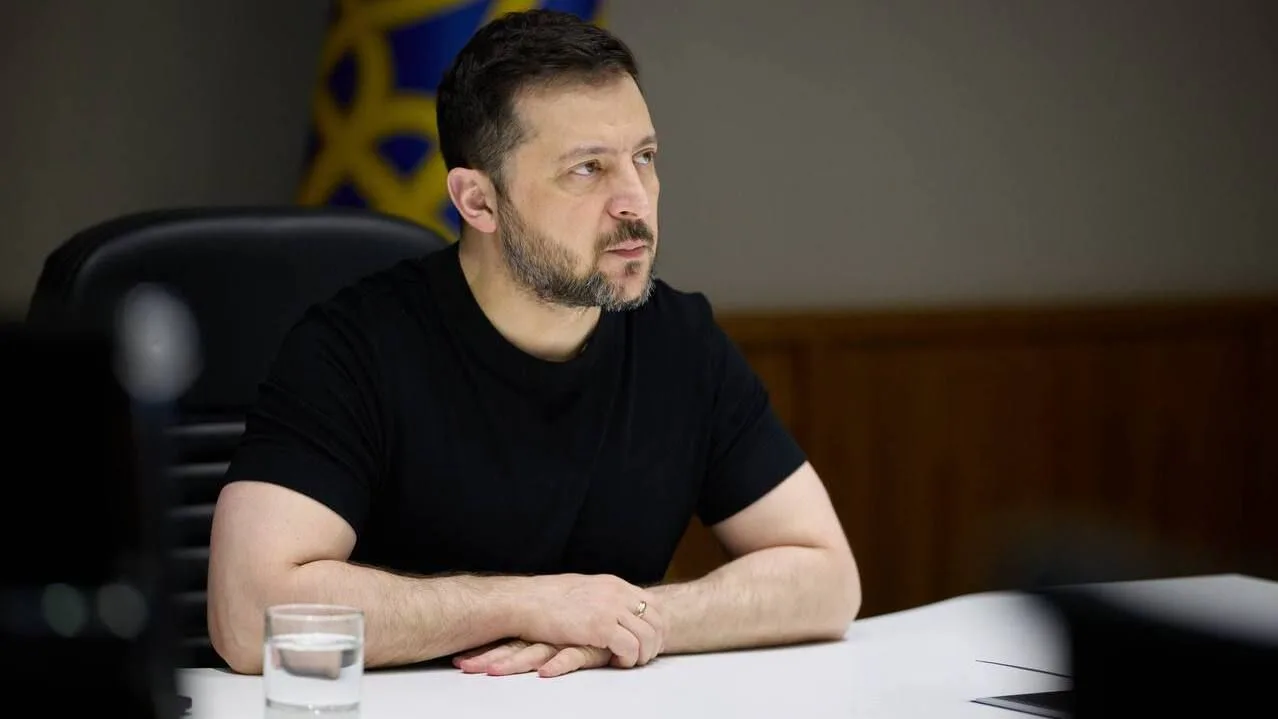
"This is part of the issues discussed at the headquarters on eliminating the emergency in the energy sector after the Russian shelling, chaired by Denys Shmyhal"
— Timur Tkachenko, head of the KMVA
What they are working on locally
At the neighborhood level, technicians check the delivery of the heat carrier to each riser, bleed air from the system, fix breaks and coordinate the restoration of hot water where possible. Work is being carried out in stages so as not to place additional strain on the energy system.
Authorities' position and partners
Headquarters representatives note that urgent repair work and assistance from partners have already had a noticeable effect: power supply in the capital and Kyiv region is showing positive dynamics thanks to round-the-clock work by crews and improving weather conditions.
"There are also other urgent deliveries. Also this week the Kyiv City Council finally formed a package of decisions by which the city proposes to support infrastructure, people and workers"
— a post by Timur Tkachenko
Why this matters to you
Restoring heat supply is not just a matter of comfort. It is a matter of safety for the elderly, families with children and medical facilities. Forecasters, however, predict a cold snap, which means increased pressure on the energy system and a higher risk of new accidents. Therefore, the key is not only to restore supply quickly but also to secure its stability.
What’s next
The short-term plan is to complete work at the neighborhood level, provide critical facilities with working generators and pay compensation to repair crews. The medium- and long-term task is to strengthen networks and the logistics of energy supply so that Ukrainian cities are ready for new challenges. The question that remains open: will reserves be sufficient if the cold intensifies or shelling continues?