Over a million in Kyiv without electricity — what this means for heating and safety
President's evening address: widespread outages in the capital, thousands of homes without heat, and an order to strengthen the defense of Zaporizhzhia. We analyze why this matters and which measures are already underway.

By Tetiana Suchkova-Ladik
January 20, 2026 · 2 min read
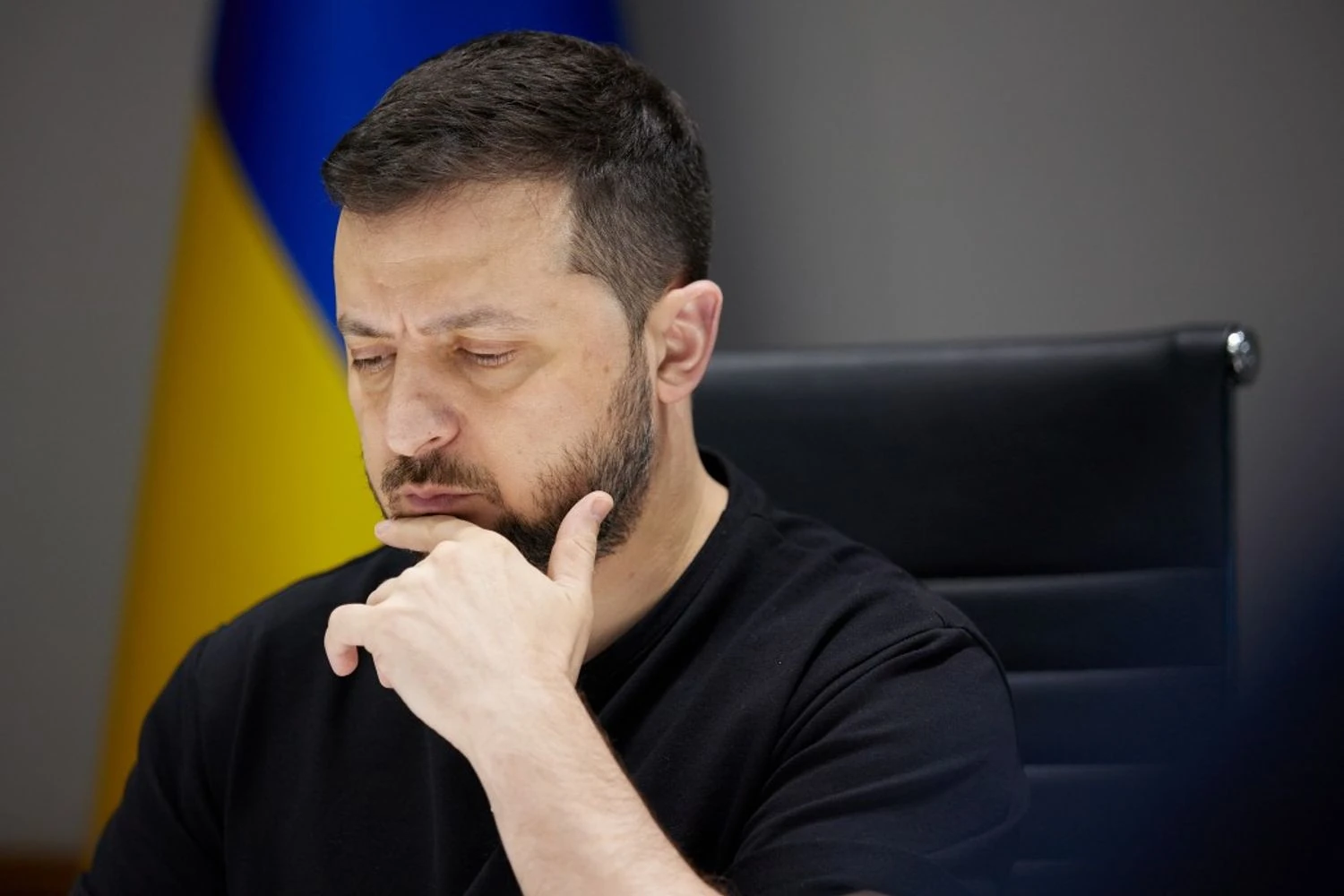
Putting emotions aside — analyzing the facts
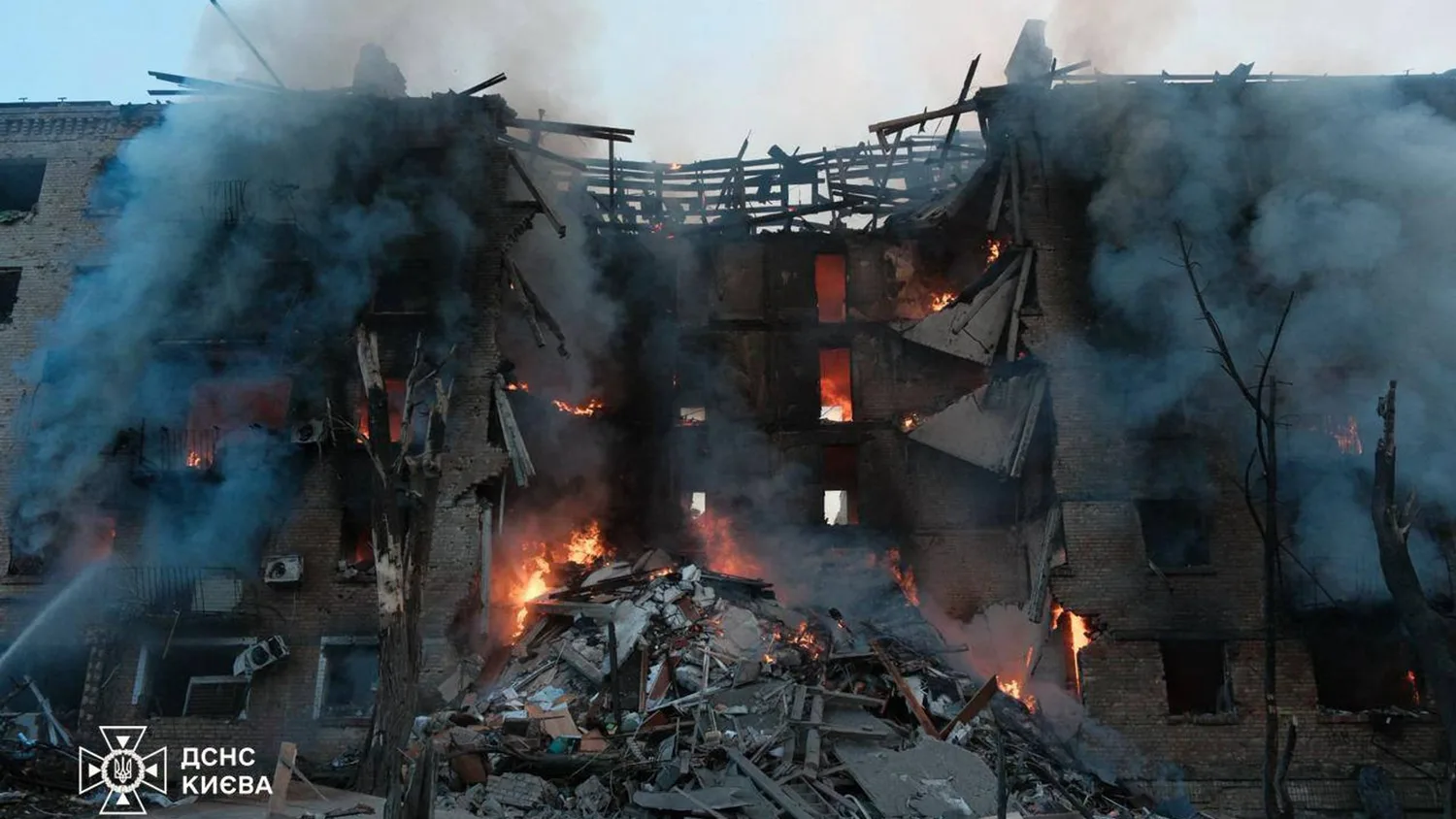
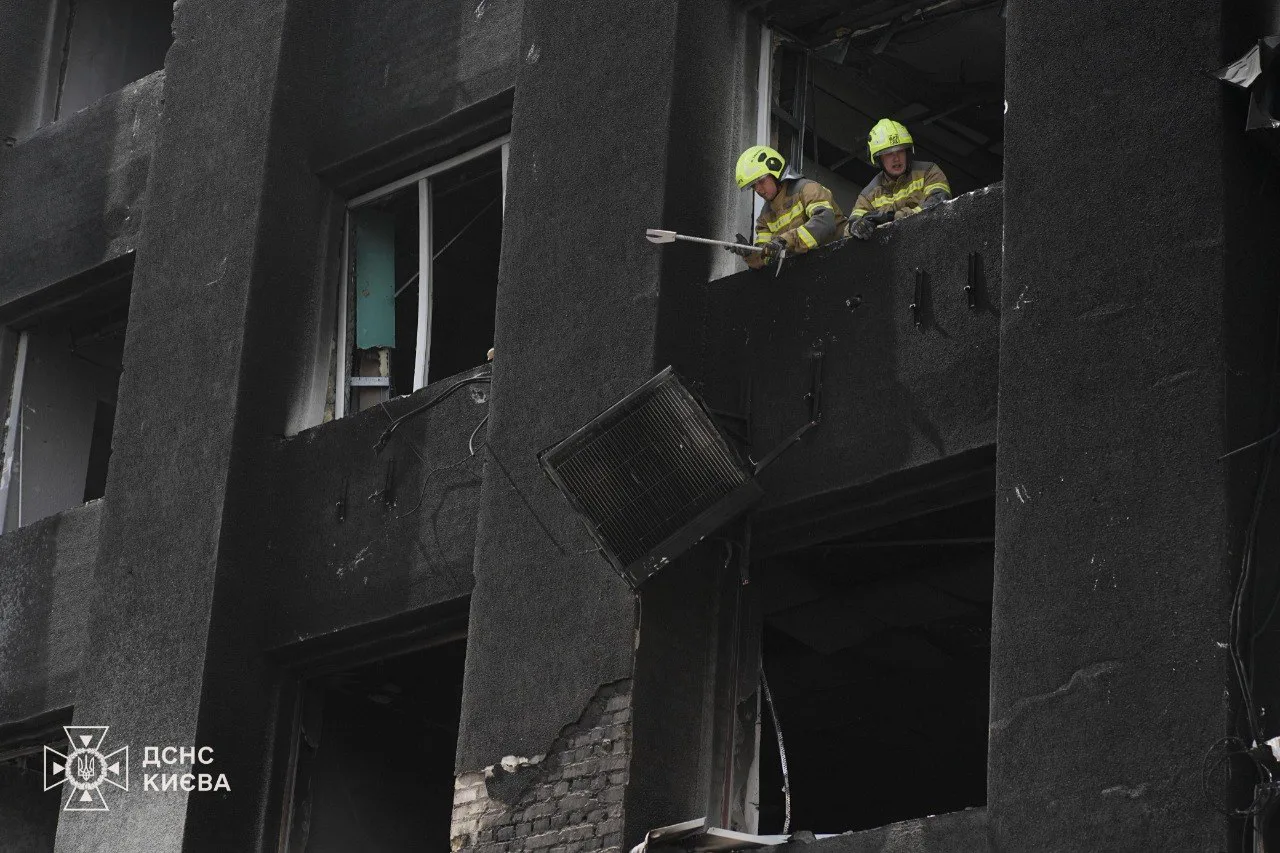
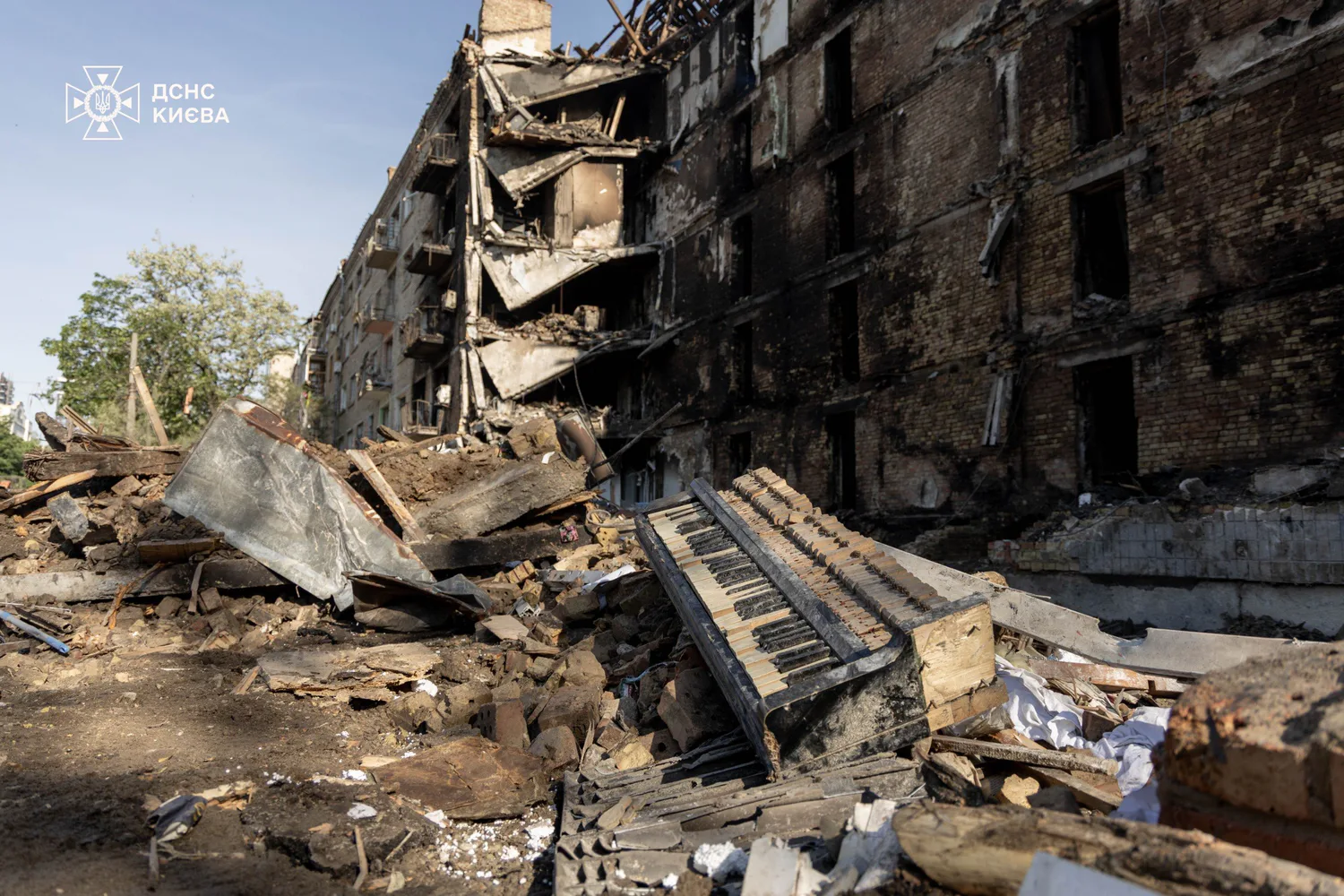
In an evening address the head of state reported that more than one million consumers in Kyiv were left without electricity. According to him, part of the energy infrastructure was damaged in the attack, which also left about 4,000 apartment buildings without heating — roughly a third of the capital's housing stock. The information was published in a statement from the Office of the President and relayed by UNN.
Authorities' response: personal responsibility and coordination
The President stressed the personal responsibility of government officials and the heads of energy companies: it is necessary to implement not only emergency measures but also non-trivial (non-linear) solutions — redistribution of power generation, support programs for people and businesses, and changes to protection logistics in high-risk areas.
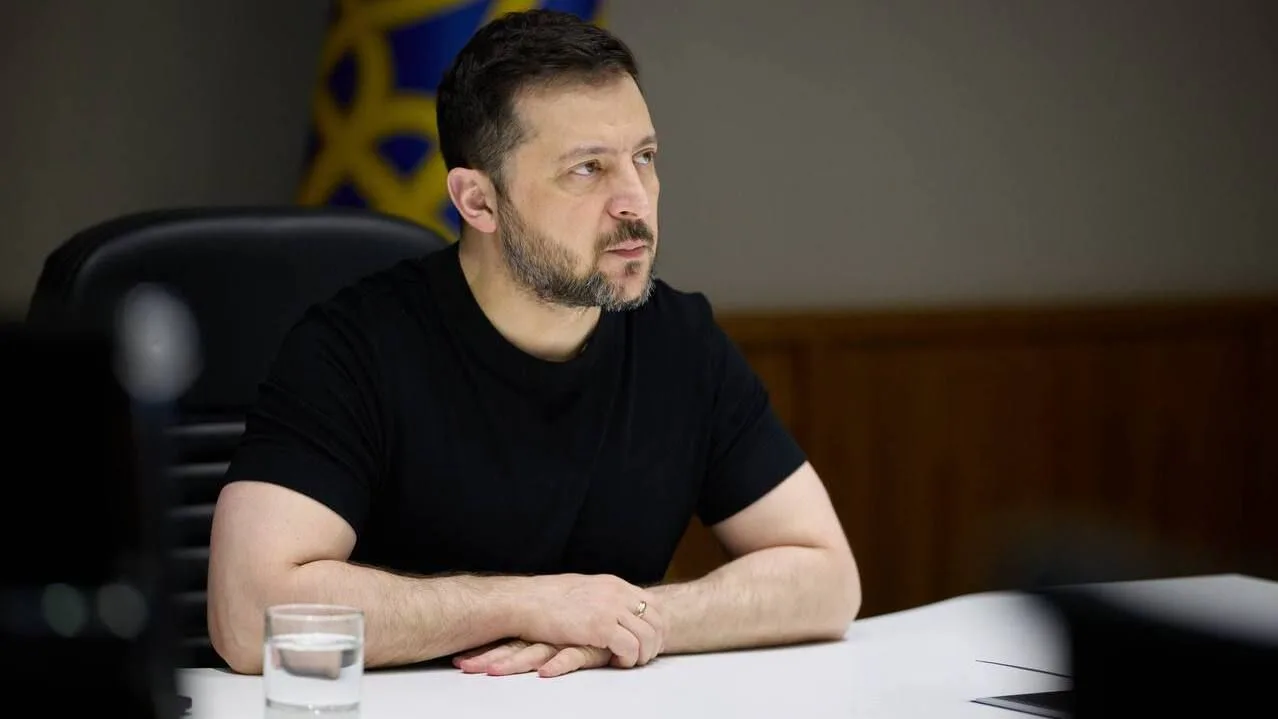
"Every official, local authorities, all heads of state-owned companies... In Kyiv alone, as of this evening, more than one million consumers are without electricity. A significant number of buildings are without heat — more than 4,000 apartment buildings"
— Volodymyr Zelenskyy, President of Ukraine
Zaporizhzhia: strikes and strengthened protection
The President separately noted the difficult situation in Zaporizhzhia region — the city is being struck by "Shahed" drones. To protect the population and critical infrastructure, authorities have been instructed to send additional assets and crews; the Ministry of Defense is working out changes to protection logistics.
What this means for people and business
In short — this is about safety and basic needs: electricity affects heating, hospital operations, utility services and business. The government must quickly resolve the redistribution of power generation and prepare support kits for vulnerable groups. For now the key is to stabilize critical infrastructure and ensure prompt communication with communities.
What to expect next
The President expects a "specific, clear list of actions and decisions" from the government by tomorrow. Stages to watch: restoration of generation, programmatic support for affected households, deployment of additional forces to protect cities, and transparent monitoring of the implementation of orders. Real results will be measured not by words, but by restored meters and heat in apartments.
Sources: address by the President of Ukraine, UNN reports; official government directives and references to the Ministry of Defense's work on protection logistics.