In icy water under the CHP plant: State Emergency Service divers spent six days stopping a leak — what it means for Kyiv
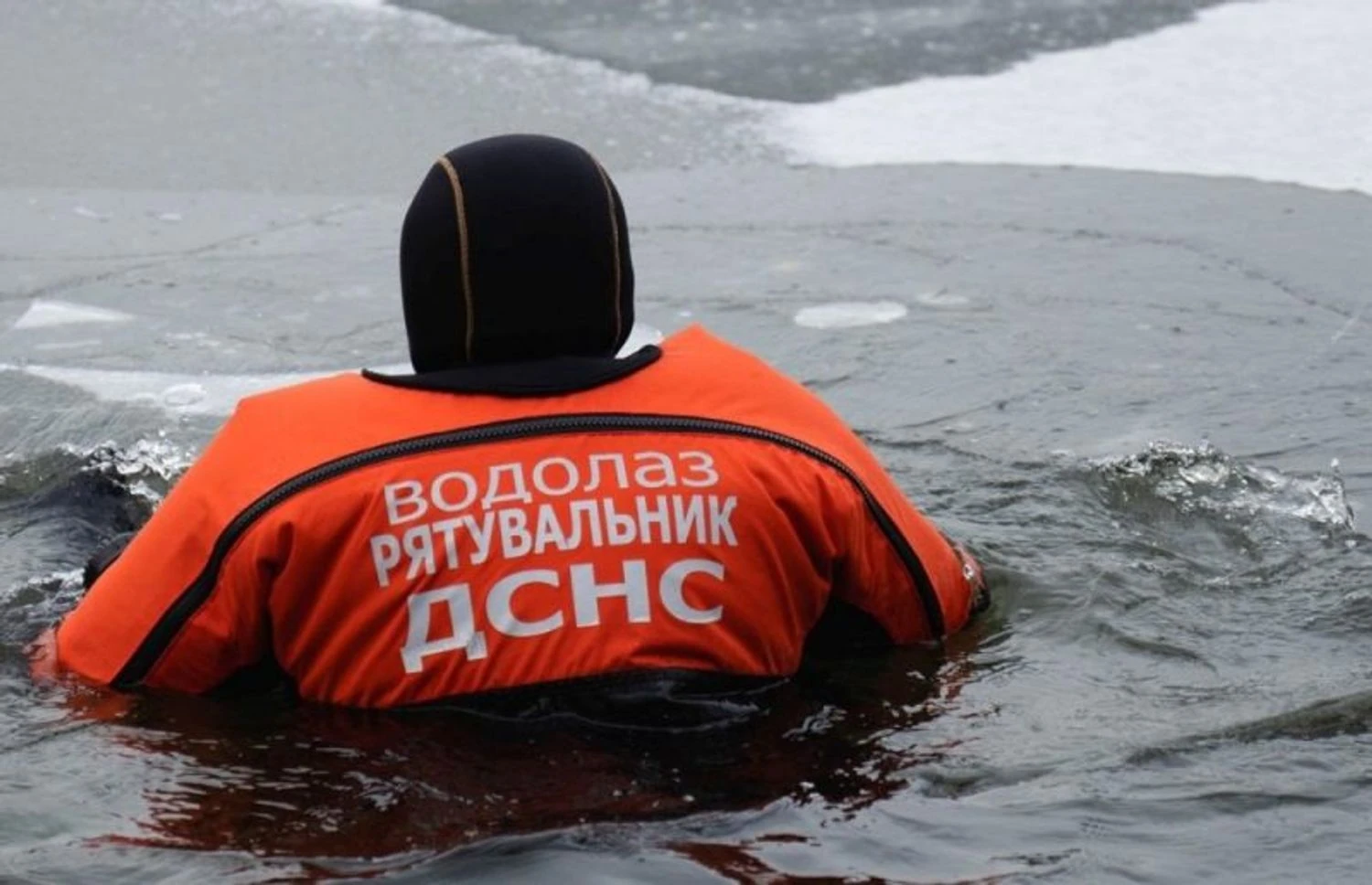
Rescue divers of the State Emergency Service carried out an underwater special operation on a CHP plant damaged by shelling in temperatures down to −15 °C. Six days of the rescuers' work made it possible to resume repair operations and reduce the risk of large-scale heating and power outages in the capital.

By Tetiana Suchkova-Ladik
January 22, 2026 · 2 min read
What happened
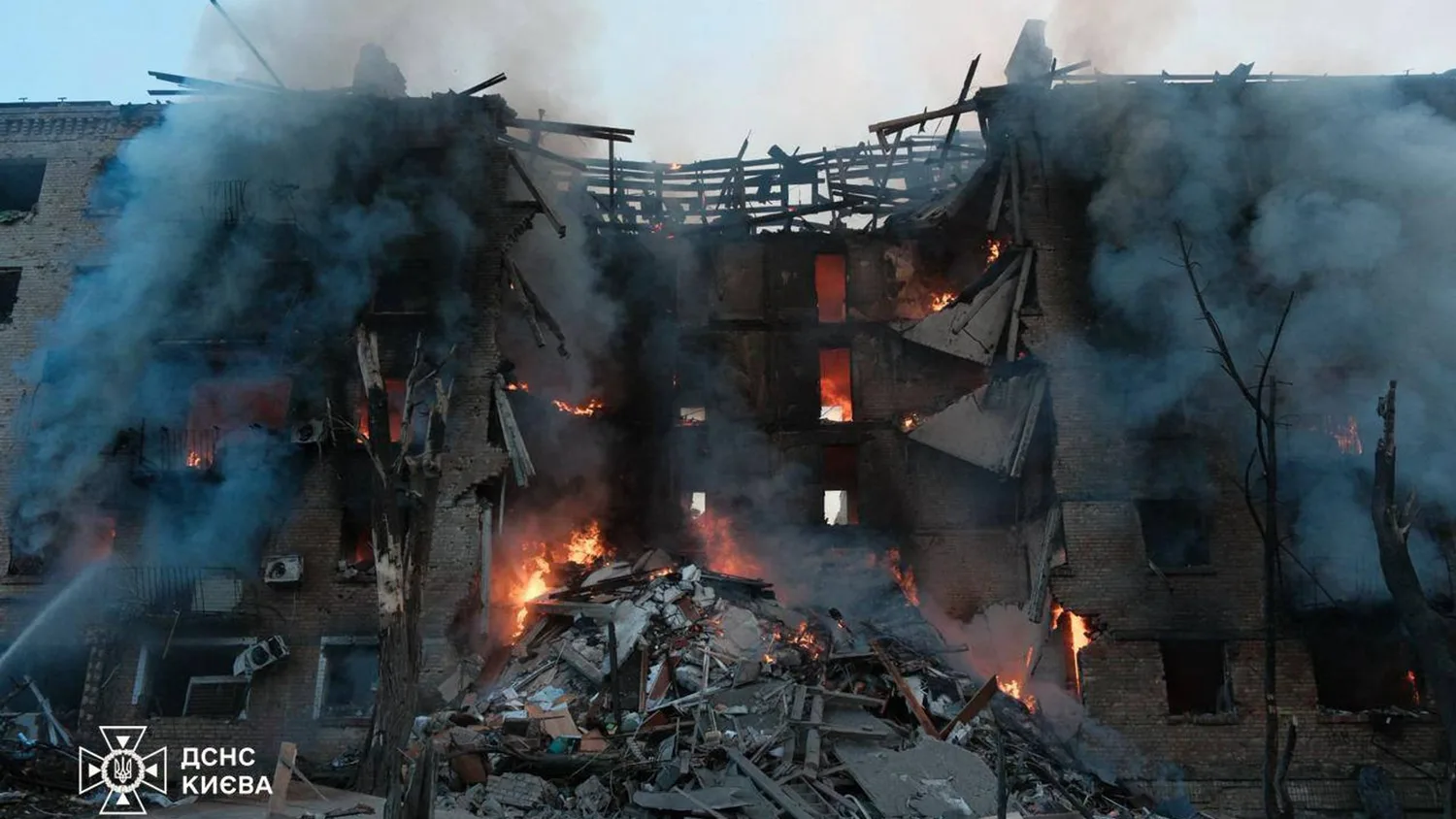
According to the Ministry of Internal Affairs and UNN, divers from the State Emergency Service of Ukraine (DSNS) carried out an underwater special operation at one of the capital's heat and power plants (CHP) — which had been flooded as a result of Russian shelling — working in harsh conditions with temperatures down to −15 °C. A damaged pipe caused a leak that blocked access for repair crews and threatened the stability of heat and electricity supplies for thousands of Kyiv residents.
Why it matters
Flooding of energy infrastructure during cold weather is not just a technical problem. When equipment is submerged, there is a risk of prolonged outages and large-scale blackouts that would affect vulnerable families, hospitals and critical services. That is why the rescuers' operation was a priority: stopping the leak opened the way for repairs to damaged equipment and minimized the risk of humanitarian consequences.
How the rescuers acted
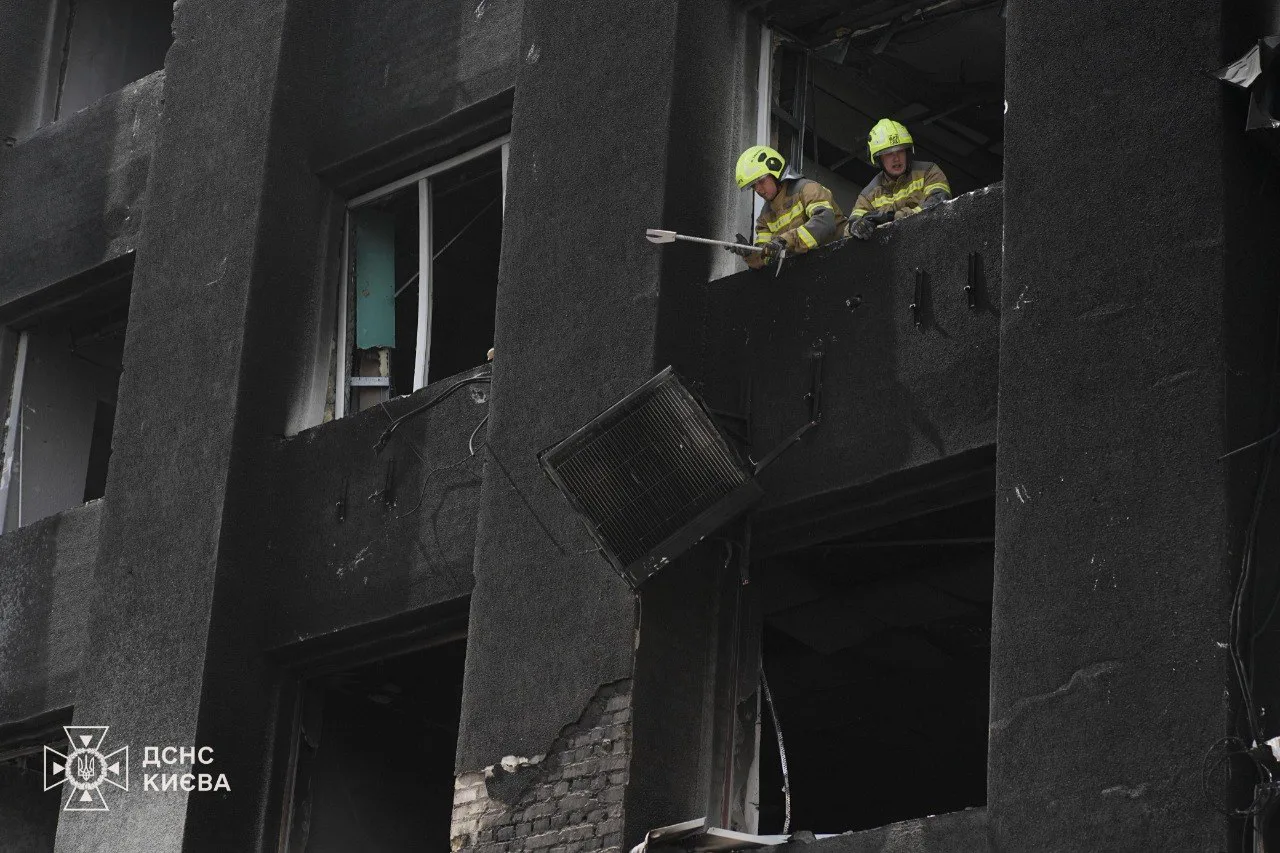
The operation lasted six days. Teams had to work in limited visibility and at low water and air temperatures — conditions that increase the risk to life and equipment. Such work requires diving skills, engineering preparation and coordination with ground repair crews.
"Without hesitation, in icy water and under extremely difficult conditions our divers began work to eliminate the damage. The special operation lasted six days"
— Ihor Klymenko, Minister of Internal Affairs
Awards and scale of work
By decree of the President, participants in the operation were awarded state honors: the Order For Courage, 3rd class — Artem Orlov, Denys Frolov and Mykhailo Khizhnyak; the Order of Danylo Halytsky — Andrii Vlasenko; the Medal "To the Defender of the Fatherland" — Anton Haitan. This is also part of the broader work of the DSNS: last week rescuers carried out over 6,000 call-outs and saved 173 people, underscoring the scale of their daily involvement in protecting the population.
What’s next
Stopping the leak allowed specialist brigades to continue repairs and speed up stabilization of the CHP's operation. However, the incident is a reminder of a systemic risk: energy infrastructure remains vulnerable during hostilities, and recovery requires not only emergency measures but also investment in protection and redundancies.
This is a story of professionalism in extreme conditions and of how rescuers' actions directly affect the daily lives of millions. The task now is to turn short-term stabilization into long-term infrastructure resilience.