Ukraine asks the IPC not to give Russia and Belarus a platform — risk of normalizing aggression
The Minister of Youth and Sports called allowing Russian and Belarusian para-athletes to compete under their national flags a step that legitimizes the war. We explain why this is more important for the safety and reputation of sport than it may seem.

By Tetiana Suchkova-Ladik
February 18, 2026 · 2 min read
What happened
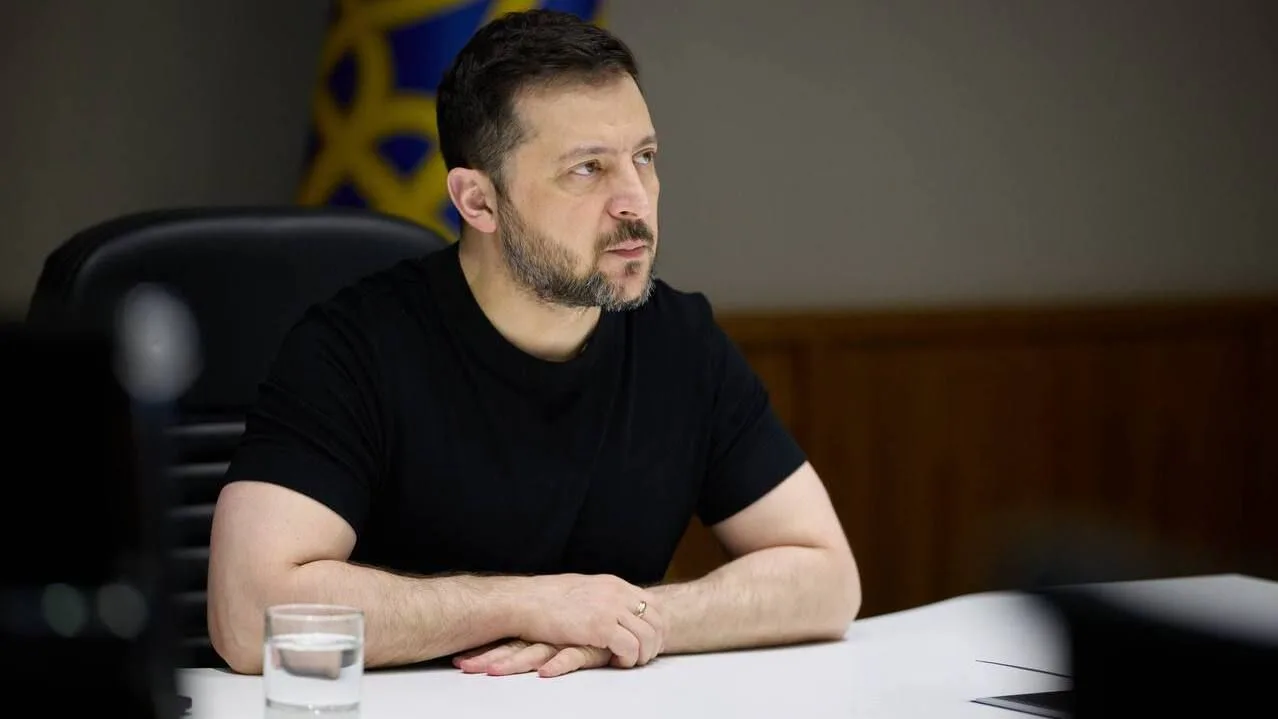
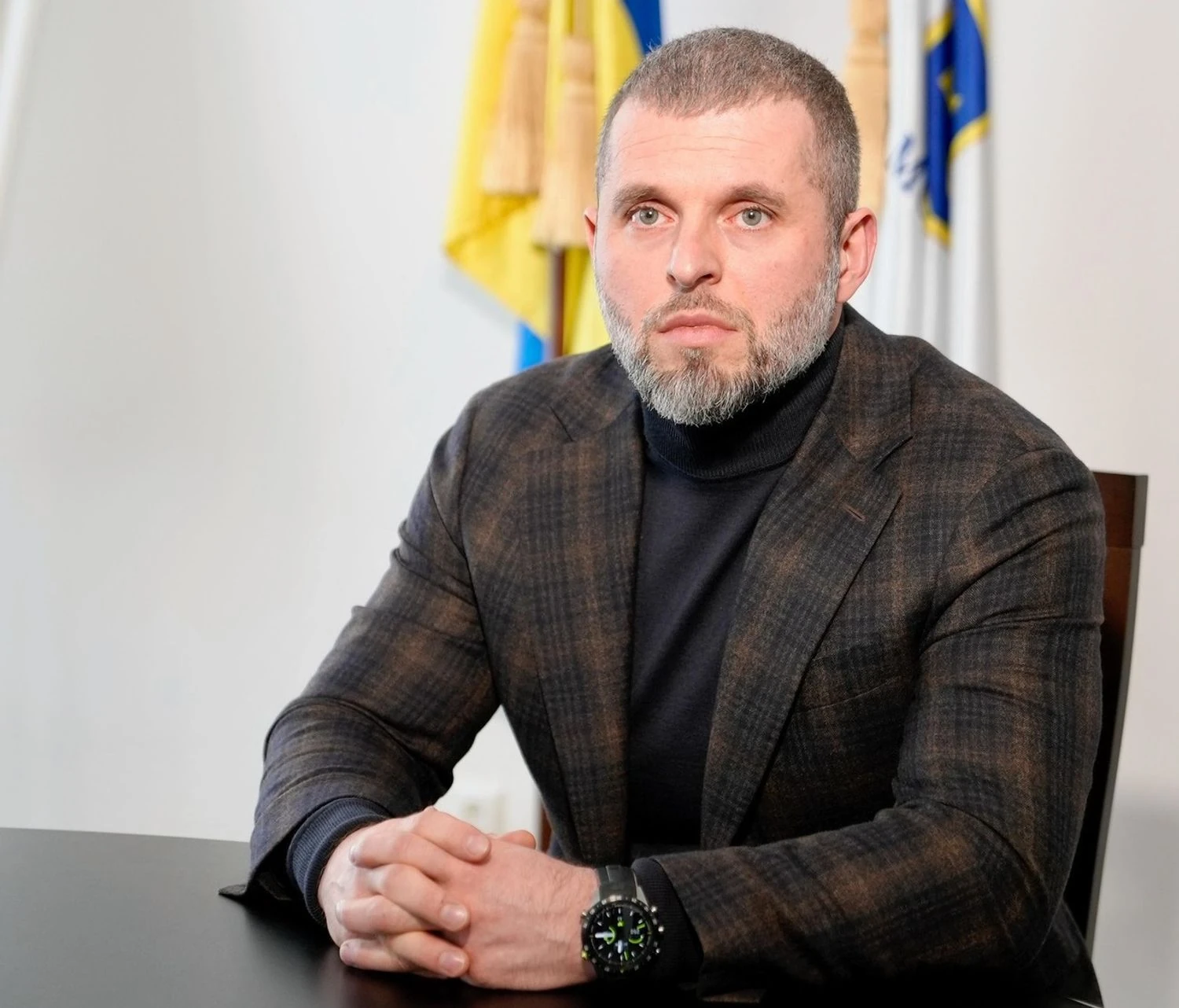
The International Paralympic Committee allowed six Russian and four Belarusian athletes to compete at the 2026 Paralympics in Milan–Cortina under national flags. According to UNN, Ukraine’s Minister of Youth and Sports Matvii Bidnyi reacted to the decision, calling it one that effectively facilitates the “legalization” of Russia’s war against Ukraine.
Why this matters for Ukraine
A flag is not just a symbol at a ceremony. For viewers and the international audience it signifies state representation and a certain form of legitimacy. The minister argued that when representatives of an aggressor state appear on the global stage under national symbols, it sends outsiders the false signal that the aggression “can exist as normal.” This concerns both informational and moral dimensions: the normalization of aggression undermines Ukraine’s position in diplomacy and in the fight for international institutions.
Context and arguments
Bidnyi emphasized that Russian Paralympic sport has been turned into a tool of propaganda: participants in the war receive state awards, and some publicly glorify the war. At the same time, Ukraine has already imposed sanctions against “propagandists in sport,” as well as against the Russian Paralympic Committee and its head Pavel Rozhkov. This is not an emotional statement but part of a strategy to defend ethical standards in sport.
"No, this is not normal"
— Matvii Bidnyi, Ukraine’s Minister of Youth and Sports
Consequences and possible steps
The IPC’s decision creates three risks: reputational damage to the principles of fair play, an informational gain for Russia, and a complication of diplomatic pressure on the aggressor states. Some international observers and analysts are already noting that sport in the 21st century is increasingly becoming a field of geopolitics — and that this affects not only image but also security.
What could change the situation: active negotiations by Ukraine with international sporting institutions, tougher sanctions against organized propaganda in sport, and mobilization of public opinion in key partner countries. As the minister stressed, it is still “not too late” to take steps that would remove the aggressors’ state symbols from international competitions.
Conclusion
This is not just a dispute about flags — it is a question of what the norm of behavior for international institutions will be during wartime and how ready they are to defend the basic principles of sport. Now the ball is in the IPC’s court and that of its partners: will they have the courage to turn declarations about fairness into concrete decisions?