Debris in five Kyiv districts: no casualties, but strengthening air defenses becomes urgent
Missile attack on February 22: debris fell in five districts of the capital — no fires or injuries. This is not just luck — it’s a signal about the vulnerability of infrastructure and the need for swift decisions on air defenses.

By Tetiana Suchkova-Ladik
February 22, 2026 · 2 min read
What happened
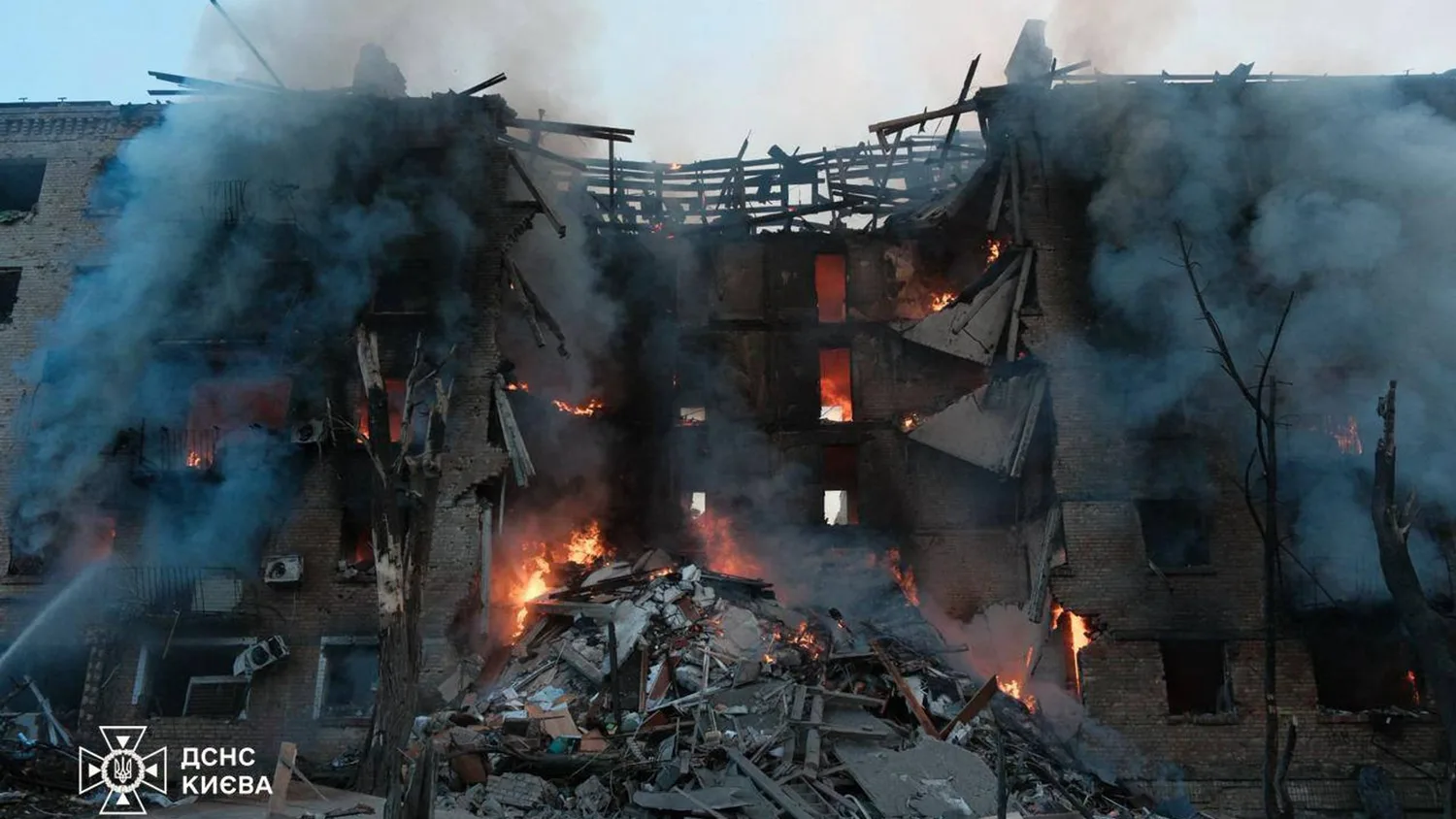
On 22 February in Kyiv fragments of an enemy missile fell in five districts of the capital. There were no fires or casualties, Kyiv mayor Vitali Klitschko reported (source — UNN). Emergency services are working on site and the consequences are being addressed.
"In the Dnipro district a missile fragment fell near an ambulance substation. There are no fires, no damage and no casualties"
— Vitali Klitschko, Kyiv mayor
Where the fragments were found
According to operational information, in the Dnipro district a fragment damaged a car in the courtyard of an apartment building; fragments were found in an open area, near the ambulance substation and in a park zone. In the Sviatoshyn district blast waves shattered windows in several residential buildings and in an office. Similar incidents were recorded in the Desnianskyi and Podilskyi districts — with no fires and no casualties.
"In the Sviatoshyn district blast waves shattered windows in several residential buildings and in an office. There are no casualties"
— Vitali Klitschko, Kyiv mayor
Context and consequences
President Volodymyr Zelensky reacted to the mass strike and reported the use of almost 300 attack drones and about 50 missiles, stressing the need to strengthen air defense systems, especially against ballistic threats. These are not just numbers — they reflect a change in the adversary’s tactics that increases risks to civilian infrastructure.
"Almost 300 attack drones and 50 missiles were used. Air defenses must be strengthened, especially against ballistic threats"
— Volodymyr Zelensky, President of Ukraine
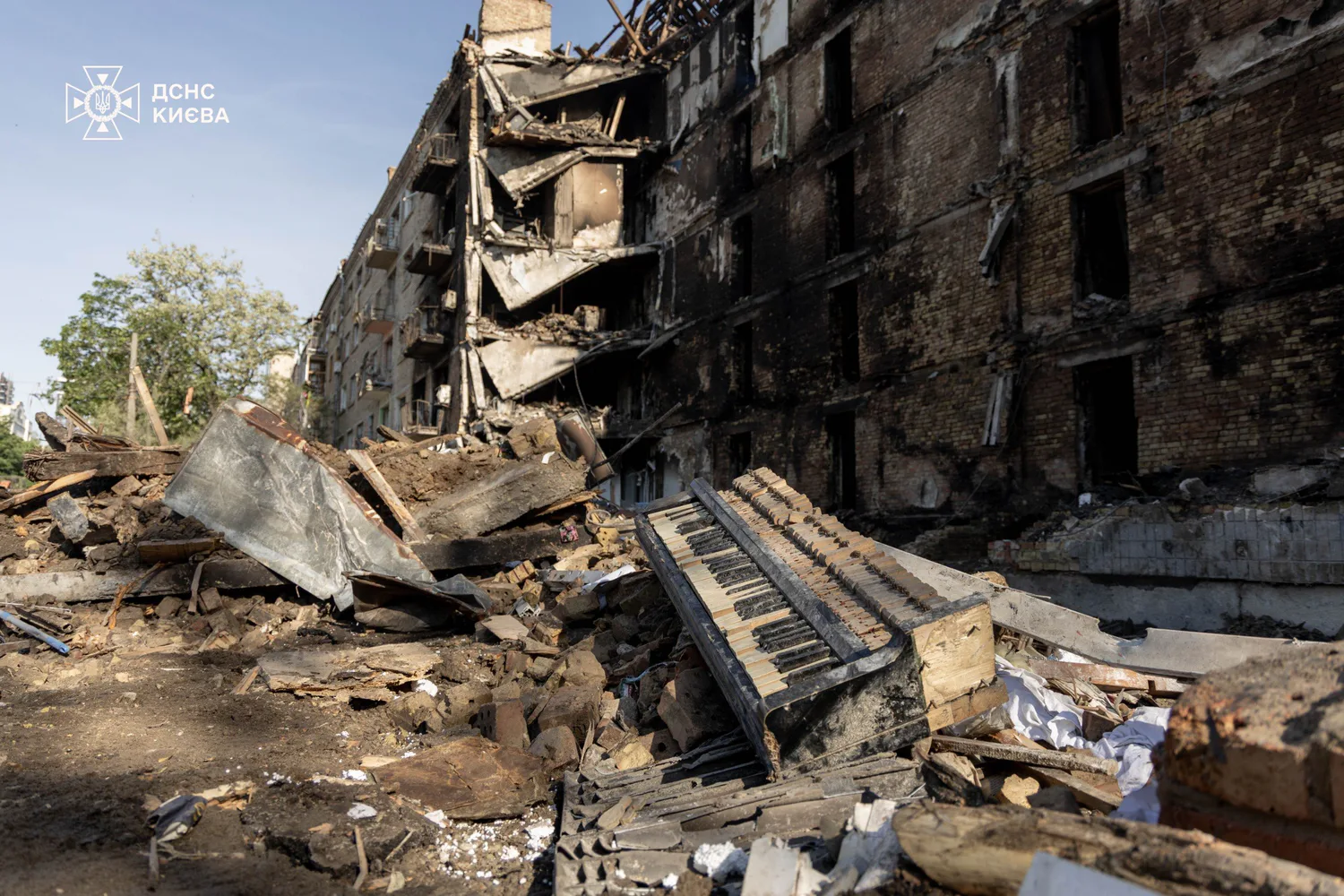
Military analysts and energy specialists warn that even in the absence of human casualties, fragments and blast waves can inflict systemic damage — from damaged vehicles to disruptions to medical and utility equipment. Thus, investment in air defenses, rapid response and protection of critical infrastructure remains crucial.
What’s next
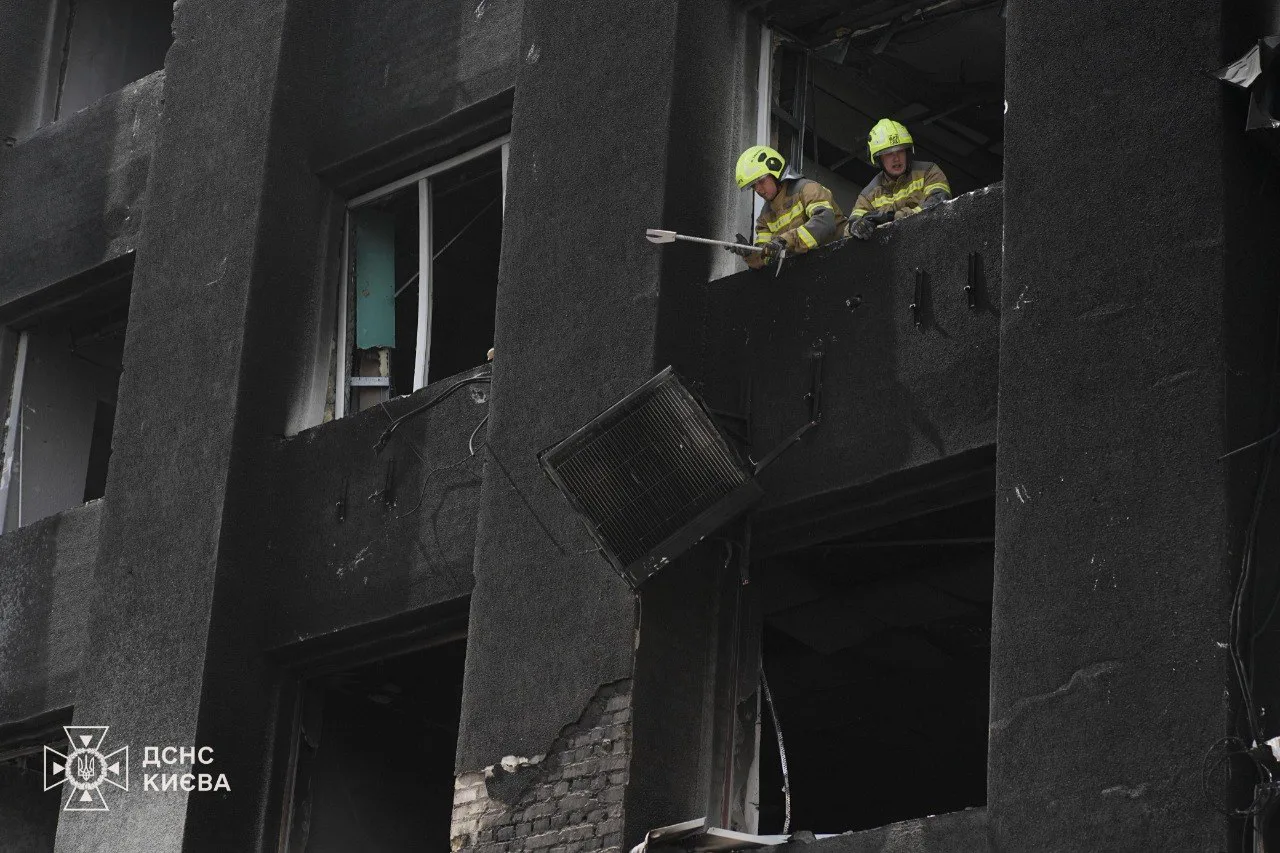
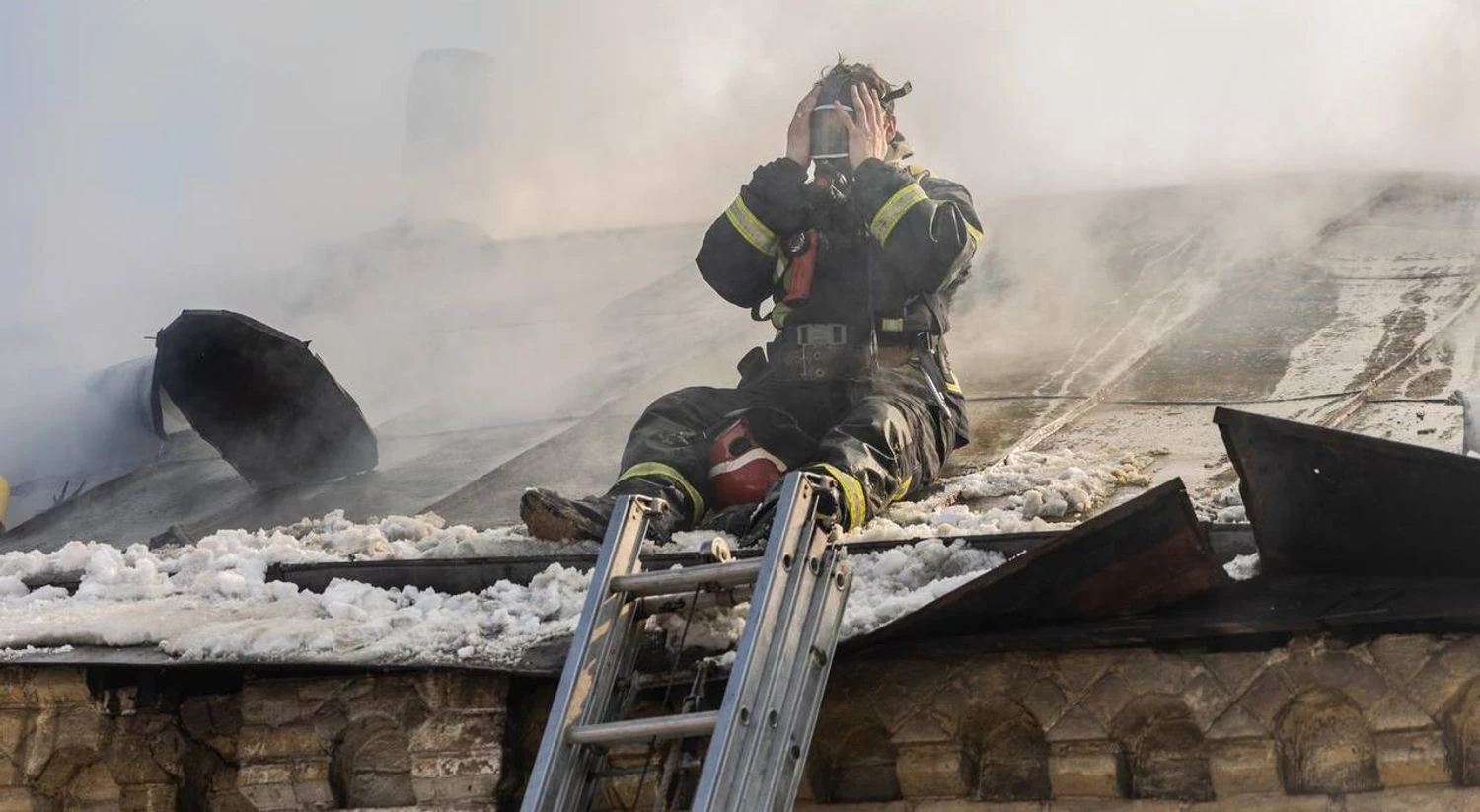
Services are working to eliminate the consequences of the attack, and municipal crews will repair windows and infrastructure. The priority is to minimize risks to people and ensure the uninterrupted operation of critical services. Now it is up to partners: will international declarations translate into additional deliveries of air defense systems and technological support so that similar incidents do not become systemic?