Strike on Obolon clinic: one dead, four wounded — strain on Kyiv's healthcare
During a Russian attack on Kyiv, a private medical clinic in Obolon was hit. It is a tragedy for the patients and at the same time a test of the emergency medical response system’s capabilities. We examine what happened and why this matters now.

By Tetiana Suchkova-Ladik
January 5, 2026 · 1 min read
What happened
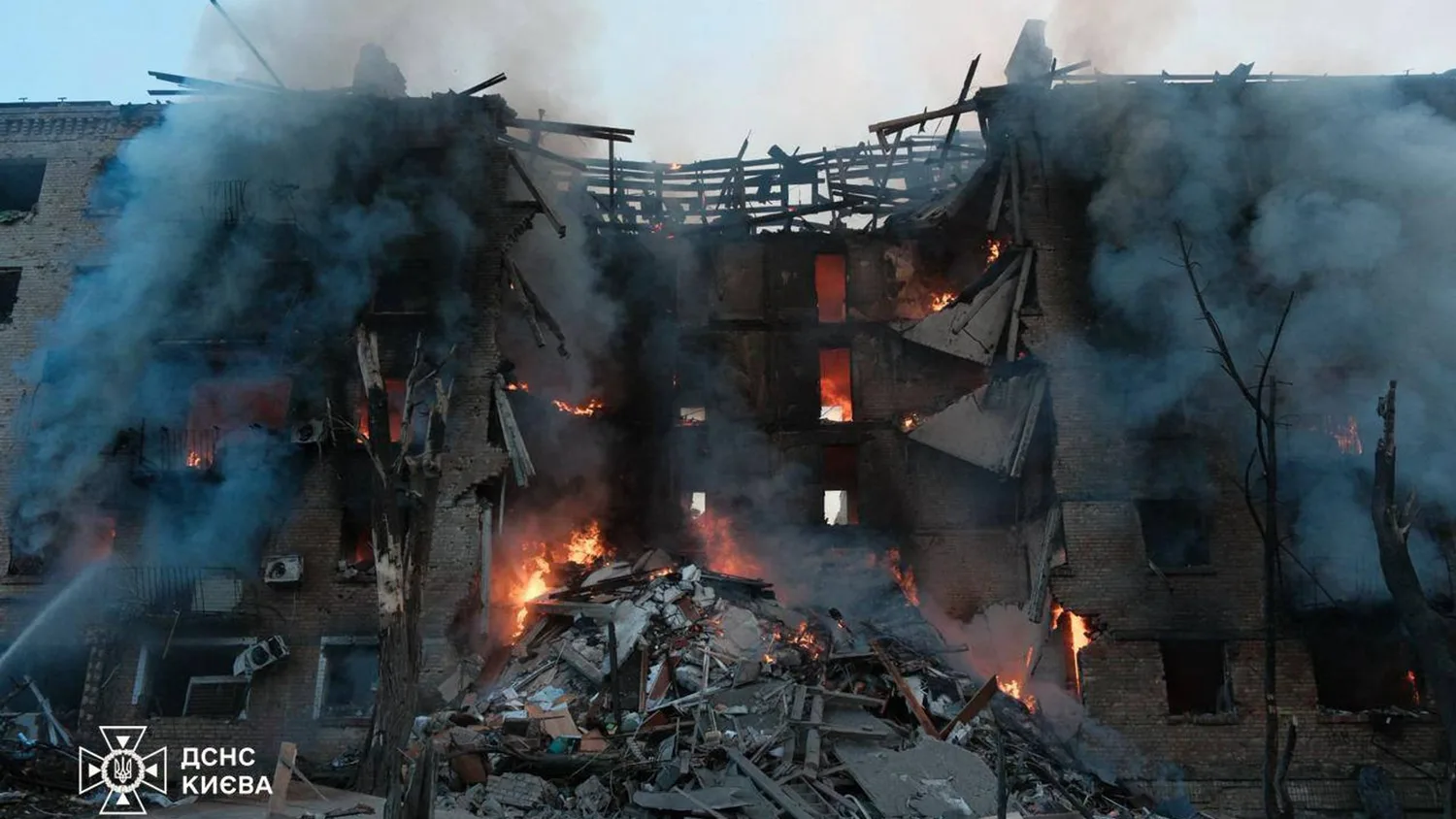
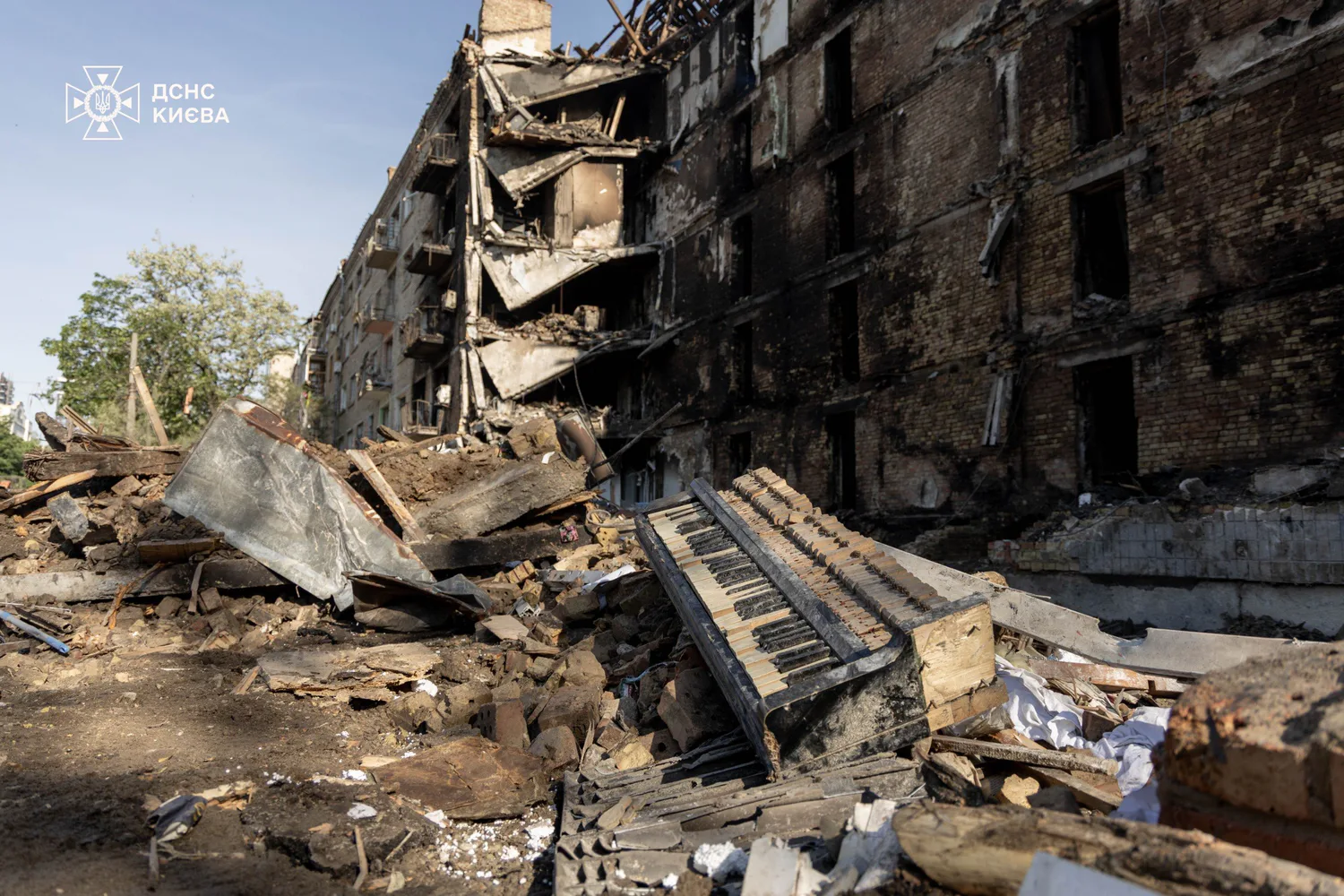
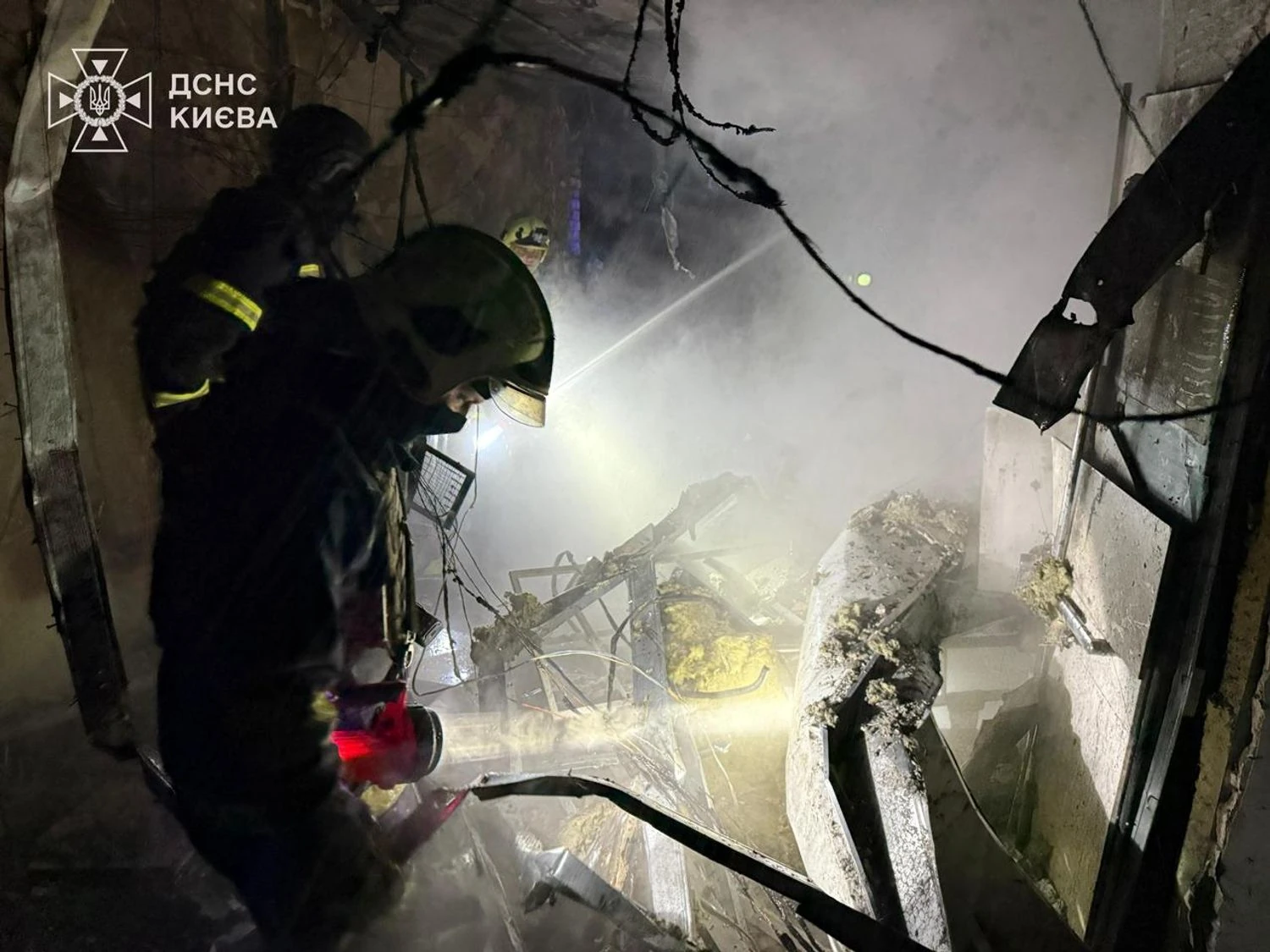
During another Russian attack on Kyiv, a strike hit a private medical facility in Obolon. According to the capital's mayor, Vitaliy Klitschko, on Telegram (as quoted by UNN), one man was killed, four were injured, two of them in serious condition.
"Currently, four people have been injured as a result of a strike on a private medical facility in the capital. Two of them are in serious condition. One man who was receiving treatment at the facility has died."
— Vitaliy Klitschko, mayor of Kyiv
Services' reaction and operational actions
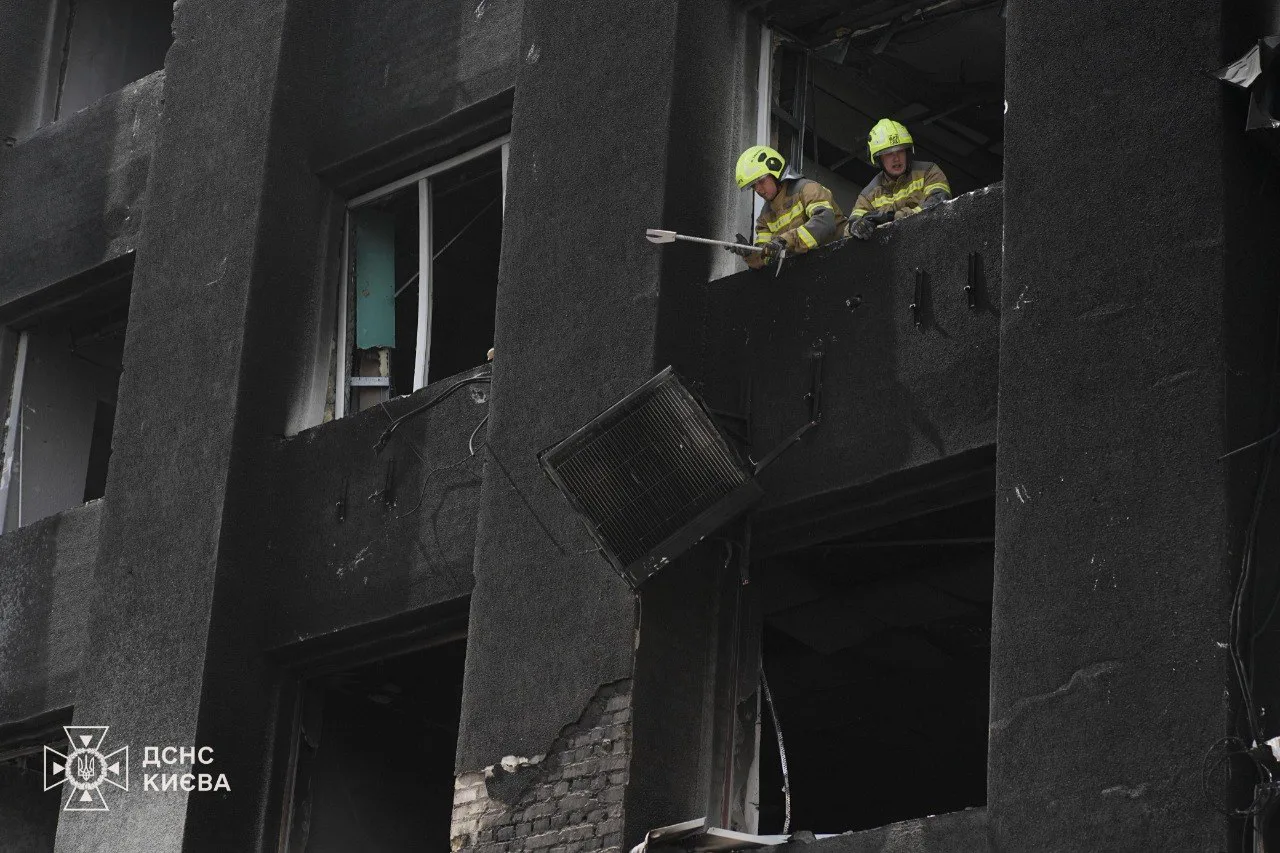
According to city authorities, of the clinic's 26 patients, 16 have already been transferred to Kyiv's municipal hospitals — an evacuation phase that reduces risks for those who remain under medical care. The State Emergency Service (DSNS) also confirms damage to the medical facility and that rescue teams are working on site.
Why it matters
Attacks on medical facilities inflict double harm: they take lives and simultaneously undermine the healthcare system that provides aid to those who need it most. Such strikes violate norms of international humanitarian law and place additional strain on municipal hospitals that are already operating under pressure.
Experts and services emphasize: rapid evacuation of patients and coordination between clinics and rescuers reduce casualties, but do not resolve the issue of the security of civilian infrastructure. Documenting the incident is important for an international response and for holding those responsible to account.
What next
The situation requires two parallel responses: first, the immediate provision of care for the injured and support for the hospitals to which patients have been transferred; second, international documentation of the facts and pressure on the aggressor to secure guarantees against strikes on civilian infrastructure. While the emergency response continues, the question remains open: will Kyiv receive additional protection mechanisms for medical infrastructure from partners and international organizations?
Sources: Vitaliy Klitschko's Telegram post; UNN reports; data from the State Emergency Service (DSNS).