Identities of those killed in Russia's night attack on Kyiv established — among them a medic
The Kyiv Prosecutor’s Office has identified four dead after an overnight Russian attack; 26 were wounded, including rescuers and medics — what this means for the city’s security.

By Tetiana Suchkova-Ladik
January 9, 2026 · 2 min read
What happened
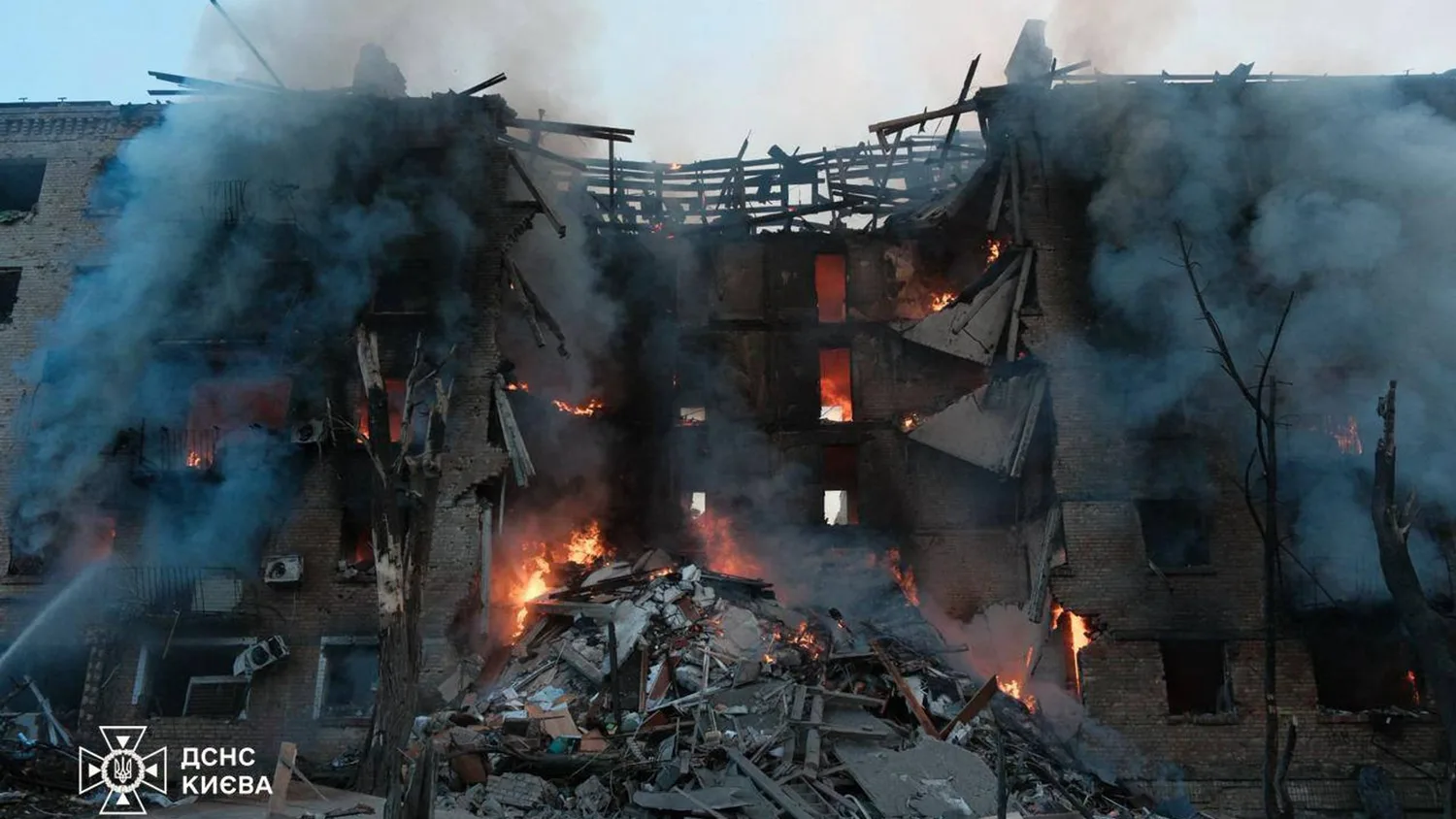
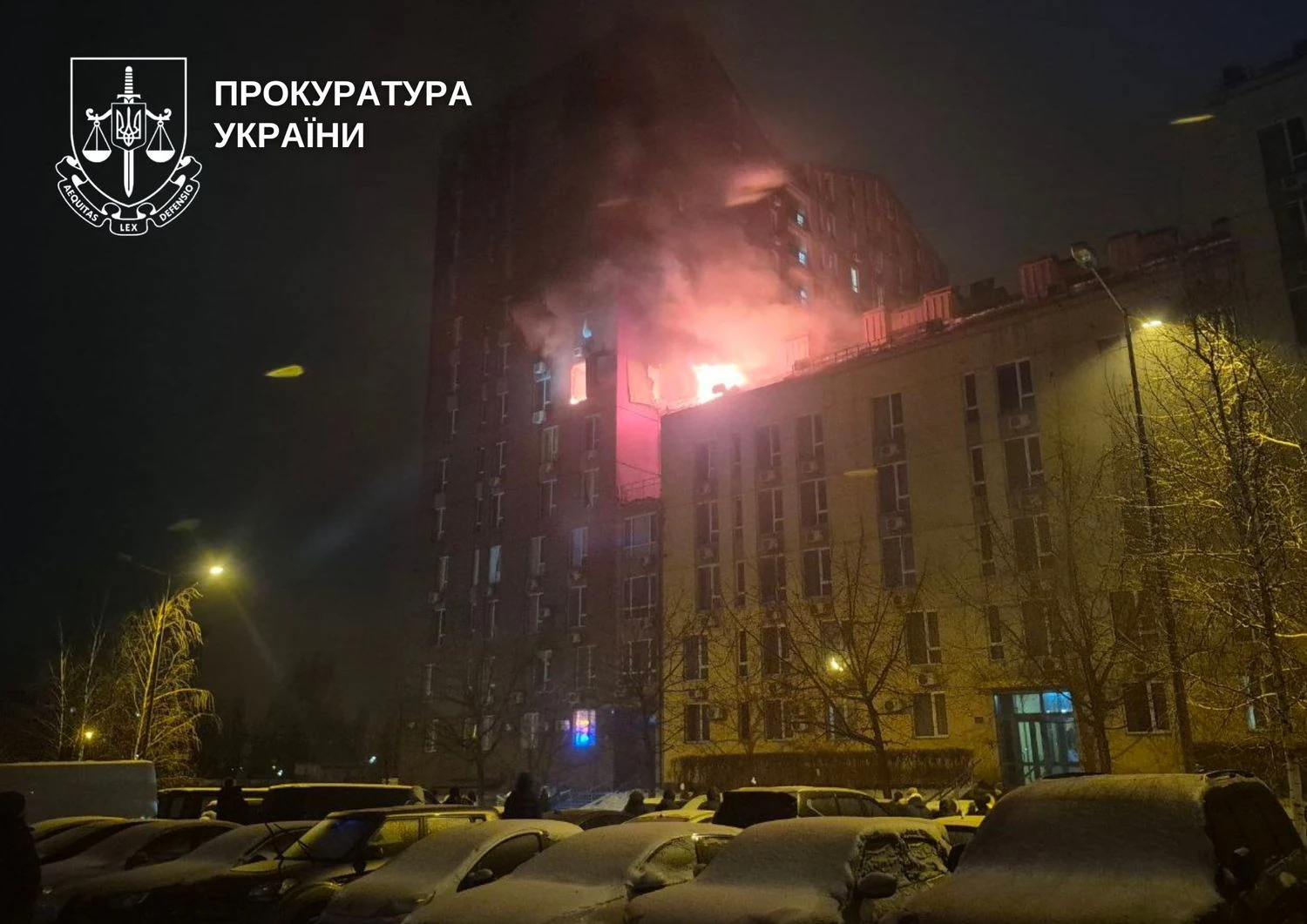
The Kyiv Prosecutor's Office reported that the identities of all those killed in Russia's night attack on Kyiv on January 9 have been established. They are a 49‑year‑old woman, two men — 41 and 54 years old, and a 56‑year‑old medic who had come to help the affected residents of the apartment building.
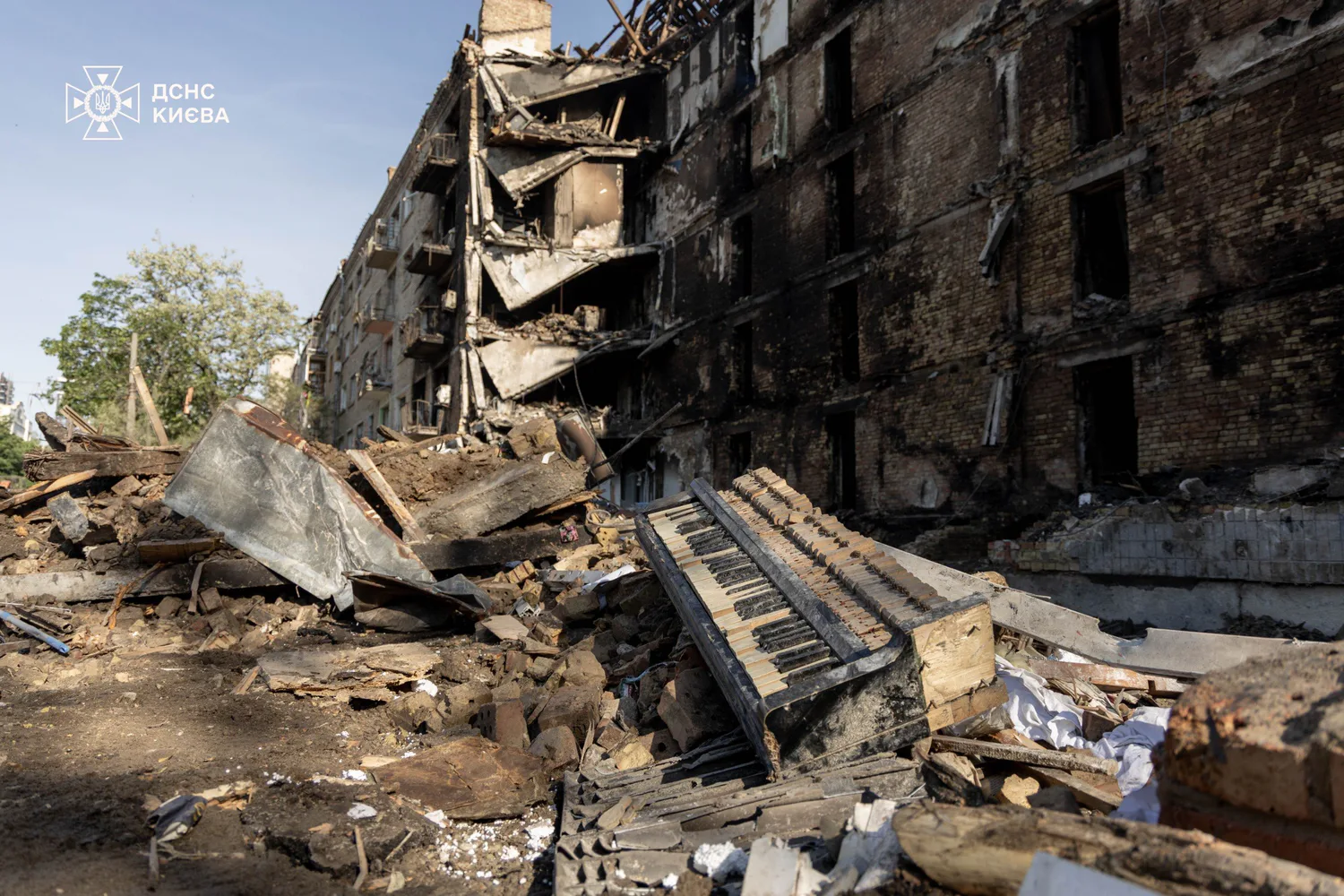
In the Dnipro district a 49‑year‑old woman and two men — 41 and 54 years old — were killed. In the Darnytsia district the Russian attack took the life of a 56‑year‑old medic who had come to help the affected residents of the apartment building
— Kyiv Prosecutor's Office
Who was affected
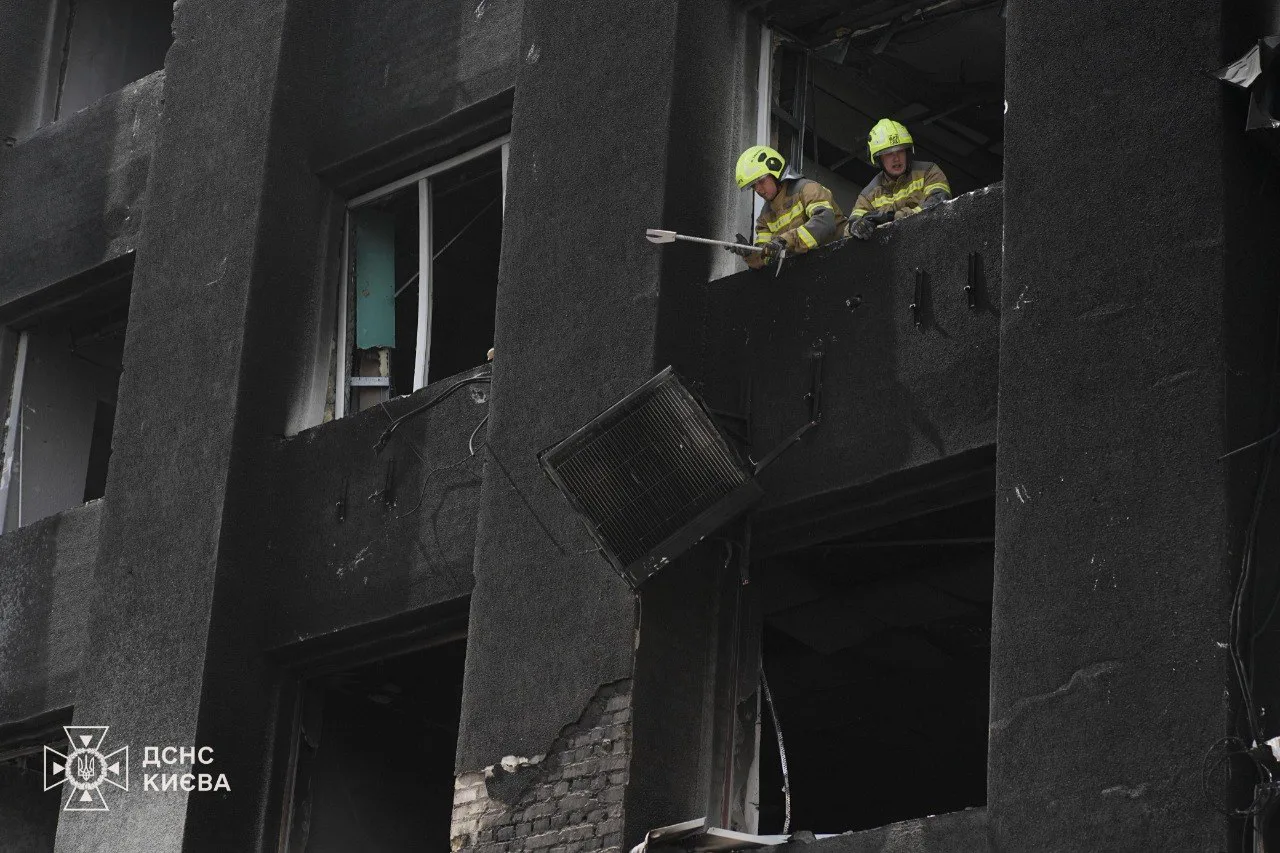
In addition to the dead, the prosecutor's office reports 26 wounded. Among them are 5 State Emergency Service rescuers, 4 medical workers and 1 police officer. These figures underscore that strikes on residential areas and communal infrastructure automatically increase the risks for those who respond to rescue people.
Consequences and context
According to the Center for Countering Disinformation (CPD), Russia deliberately struck infrastructure with the aim of "freezing" people; as a result of the shelling more than 500,000 consumers were left without electricity, boiler houses were damaged, and the attack lasted nearly five hours (source: statement by the Prime Minister). This is not an accidental act, but part of systematic strikes on civilian life that create a double burden — on residents and on response services.
Why this matters: strikes on critical infrastructure change priorities — not only is rapid restoration of services needed, but also preventive protection of facilities, backup power sources and personal protective equipment for rescuers and medics. Experts and local authorities emphasize the need to combine rapid reconstruction with preventive protection measures.
Sources: Kyiv Prosecutor's Office, UNN, Center for Countering Disinformation, statement by the Prime Minister.
Question for city authorities and partners: how quickly will protection of critical infrastructure be strengthened and additional resources provided to those who are rescuing people from the consequences of such attacks?