Explosion in Obolon: soldier wounded — incident classified as a terrorist attack
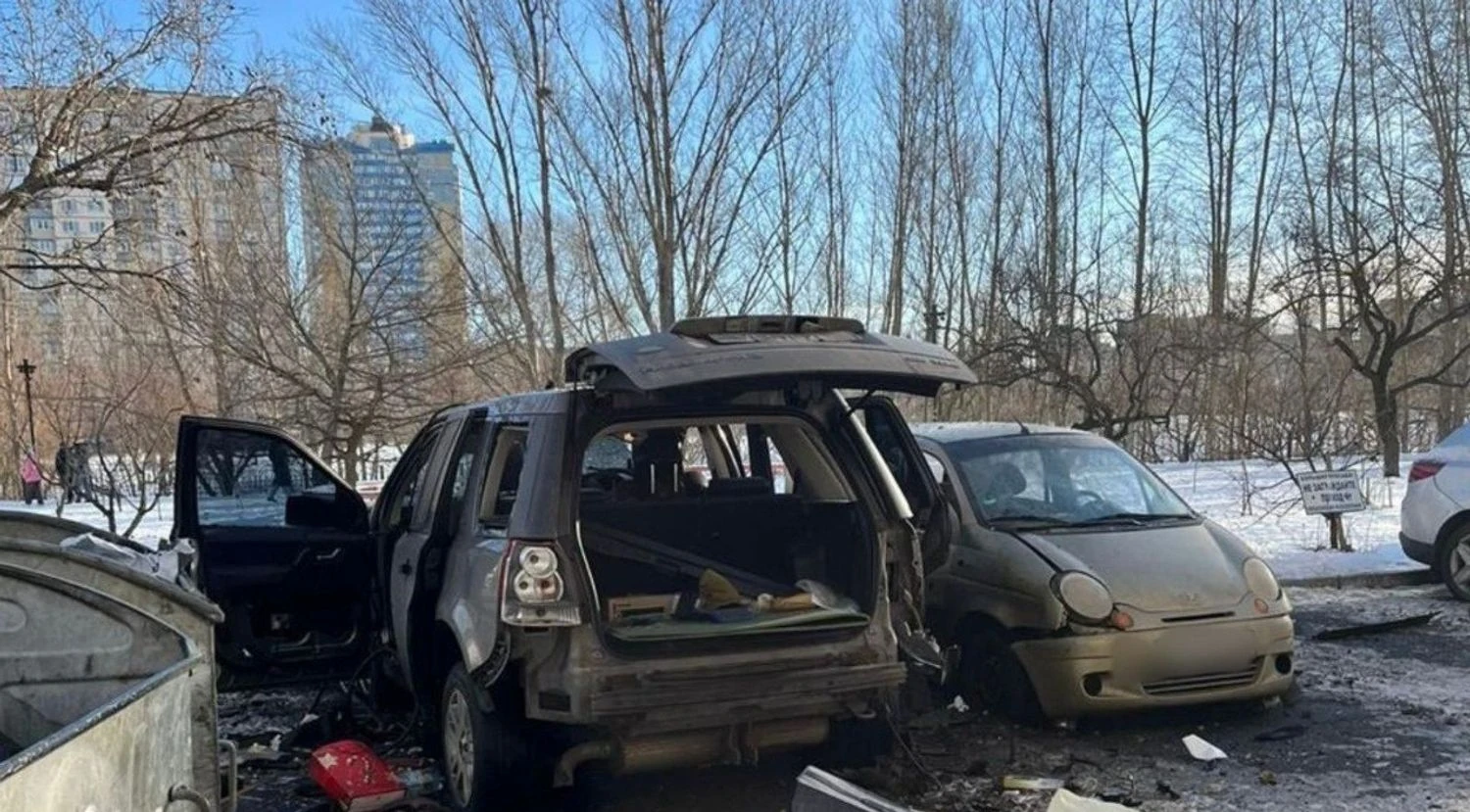
An explosion rang out in a courtyard on Heroiv Dnipra Street when a car trunk was opened. The Security Service of Ukraine (SBU) and the Kyiv City Prosecutor’s Office have launched an investigation — what this means for the city’s safety and why everyone should take notice.

By Tetiana Suchkova-Ladik
January 4, 2026 · 2 min read
What happened
On 4 January 2026, in the courtyard of an apartment building on Heroiv Dnipra Street in the Obolonskyi district of Kyiv, an explosion occurred while opening a car trunk. A serviceman received shrapnel wounds, the woman who was nearby was not injured. The incident was immediately classified as a terrorist act.
"Today, 4 January 2026, in the courtyard of the building on Heroiv Dnipra Street, an explosion sounded while opening a car trunk. As a result of the explosion a serviceman received shrapnel wounds. The woman who was nearby was not injured"
— Kyiv City Prosecutor’s Office (report via UNN)
Who is investigating
According to reports, a pre-trial investigation is being carried out by investigators of the Main Directorate of the SBU in the city of Kyiv and Kyiv region under the procedural supervision of the Kyiv City Prosecutor’s Office. The incident has been qualified under Part 1 of Article 258 of the Criminal Code of Ukraine (terrorist act), that is, as the intentional detonation or other actions that created a threat to people's lives and health.
Why it matters
Even isolated incidents of this type carry several risks: they directly threaten civilians and military personnel, increase the burden on emergency response services, and undermine the sense of security in cities. The decision to classify the incident as a terrorist act means the investigation will operate in an enhanced mode and will involve appropriate operational resources.
What’s next — a brief outlook
Expected: operational inspections of adjacent areas, collection of camera recordings, interviews with witnesses, and explosive‑ordnance experts' examinations. For residents it is important to remain vigilant and report suspicious objects or behavior to law enforcement — this is a practical contribution to the community's safety.
Context for the reader: At a time when cyber and terrorist risks remain real, a rapid response by the SBU and the prosecutor’s office is a key factor in intelligence and preventive protection. It is important not to panic, but also not to lower vigilance: sensible vigilance helps minimize the consequences of such incidents.