Klitschko's appeals didn't stop the rental market: why energy-independent apartments and houses are getting more expensive
The mayor urged residents to temporarily leave due to risks to the energy system — but demand for housing in Kyiv did not fall. We examine what renters are actually opting for this winter and why prices are rising even amid energy uncertainty.

By Tetiana Suchkova-Ladik
January 24, 2026 · 3 min read

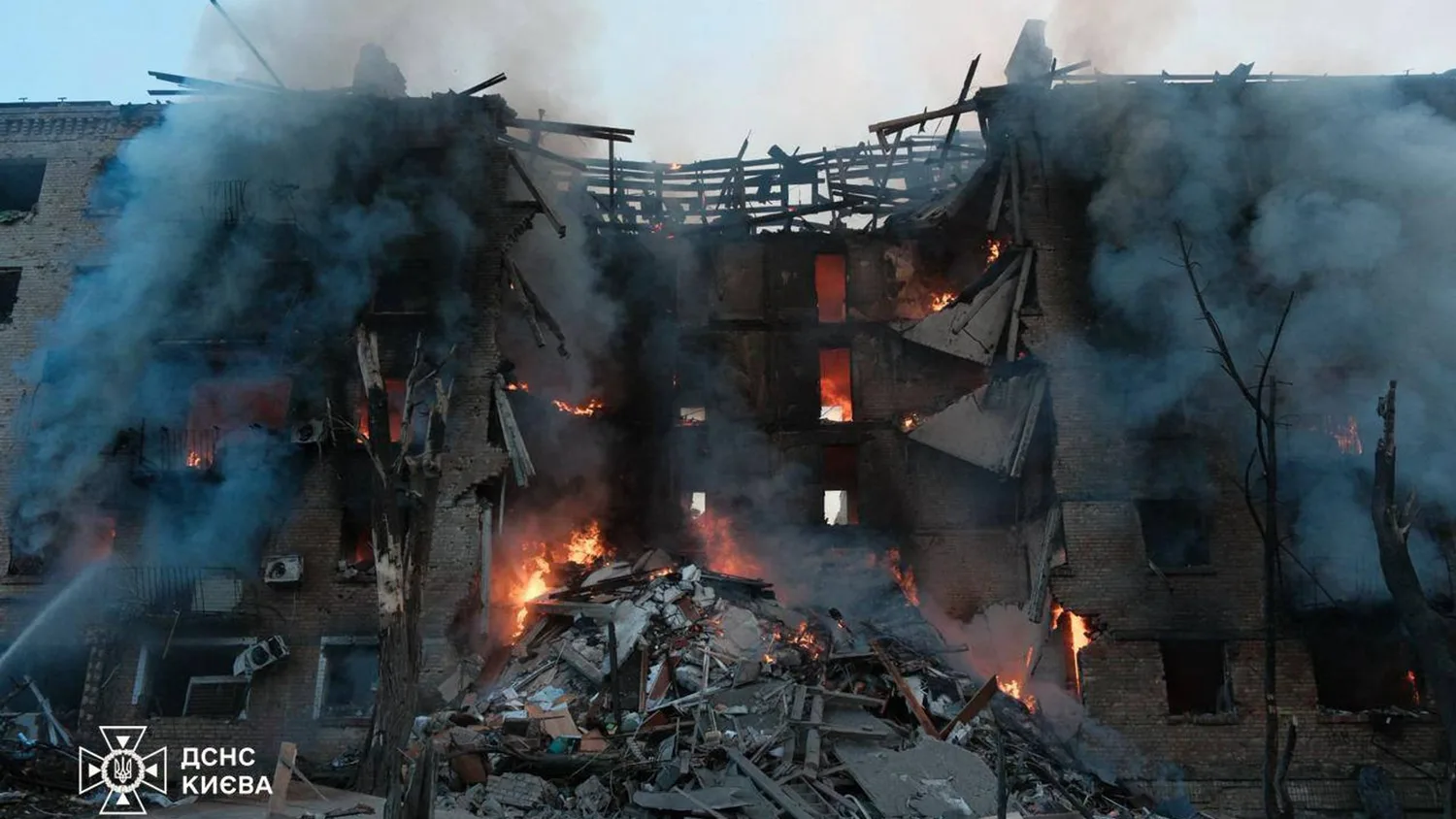
Kyiv mayor Vitali Klitschko urged residents to stock up on food and, if possible, temporarily leave the city due to a worsening situation in the energy sector. Despite this, the rental market in the capital continues to follow its own rules: prices are rising, and demand is concentrating on properties with their own power sources.
“The capital, given the very difficult situation in the energy sector and understanding that the enemy is highly likely to continue attacking the city’s and country’s critical infrastructure, is preparing to respond to various scenarios of how events may develop.”
— Vitali Klitschko, mayor of Kyiv
The market hasn’t stopped
According to UNN and surveys of specialists, there were no abrupt collapses in the rental market: apartments are still being rented, but the structure of demand has changed. This is confirmed by Larisa Stavinoga, president of the Union of Real Estate Specialists of Ukraine.
“I can’t say that the market has stopped, that nothing is being rented. Everything rented before, and still rents.”
— Larisa Stavinoga, president of the Union of Real Estate Specialists of Ukraine (source: UNN)
The reason is simple: landlords and tenants are adapting to the new risk landscape. Where a building has autonomous solutions (a generator, solar panels, a fireplace, backup pumps), demand and prices are holding or even rising. Where such options are absent — there is stagnation or a drop in price.
What tenants are looking for this winter
The main requests are related to energy independence and access to basic services. Tenants ask about the availability of backup power, the operability of elevators during outages, and autonomous heating and water supply systems.
In complexes with modern infrastructure, rents are holding steady and sometimes increasing: people are willing to pay for stability and safety. Meanwhile, the older housing stock, without an OSBB (condominium association) or an effective management company, is losing value and attractiveness.
Demand for private houses and collective solutions
Demand for autonomous private houses has grown. Last winter such houses were harder to rent because of heating costs; now, with many estates equipped with generators, fireplaces, or solar panels, they quickly find tenants. According to experts, houses are now being rented even for $2–2.5 thousand a month, whereas similar offers previously wouldn’t be taken even for ~15 thousand UAH.
A new trend — collective renting: groups of 2–3 families join together to split the costs of autonomy over the winter. This is an example of rationalizing expenses in response to external risks.
Geography of demand: where people are moving
The expert notes a shift in demand toward the Right Bank of the capital and outbound directions — Zhytomyr and Odesa. The Left Bank is losing tenants due to transport interruptions during air-raid alerts and energy supply problems.
Why calls to leave didn’t collapse rents
First, the city’s appeal was preventive and did not mean a mass evacuation with long-term resettlement. Second, the market had already adapted: some housing became technically more attractive, some lost demand. Third, for many people relocating is economically unfeasible or impossible: work, education, and family obligations keep people in the city.
Consequences and recommendations
In the short term this means rising costs for households seeking safer options. For property owners — a signal to invest in autonomous systems to increase liquidity and rental rates. For city and state authorities — it is a test of readiness: targeted programs are needed to support energy-efficient modernization of housing and to incentivize the installation of backup power sources in apartment buildings.
The expert community agrees: demand for energy-independent housing will grow. People’s request is simple — safety and predictable costs. The response must also be practical: investments in autonomy are not only a business opportunity but an element of national resilience.
Now the move is for partners: market signals show where money and expectations are going. State programs and local initiatives must translate these signals into concrete investments in heating and energy supply to make Kyiv more resilient this and next winter.