Kyiv's Green metro line resumes service after overnight shelling — what it means for the city
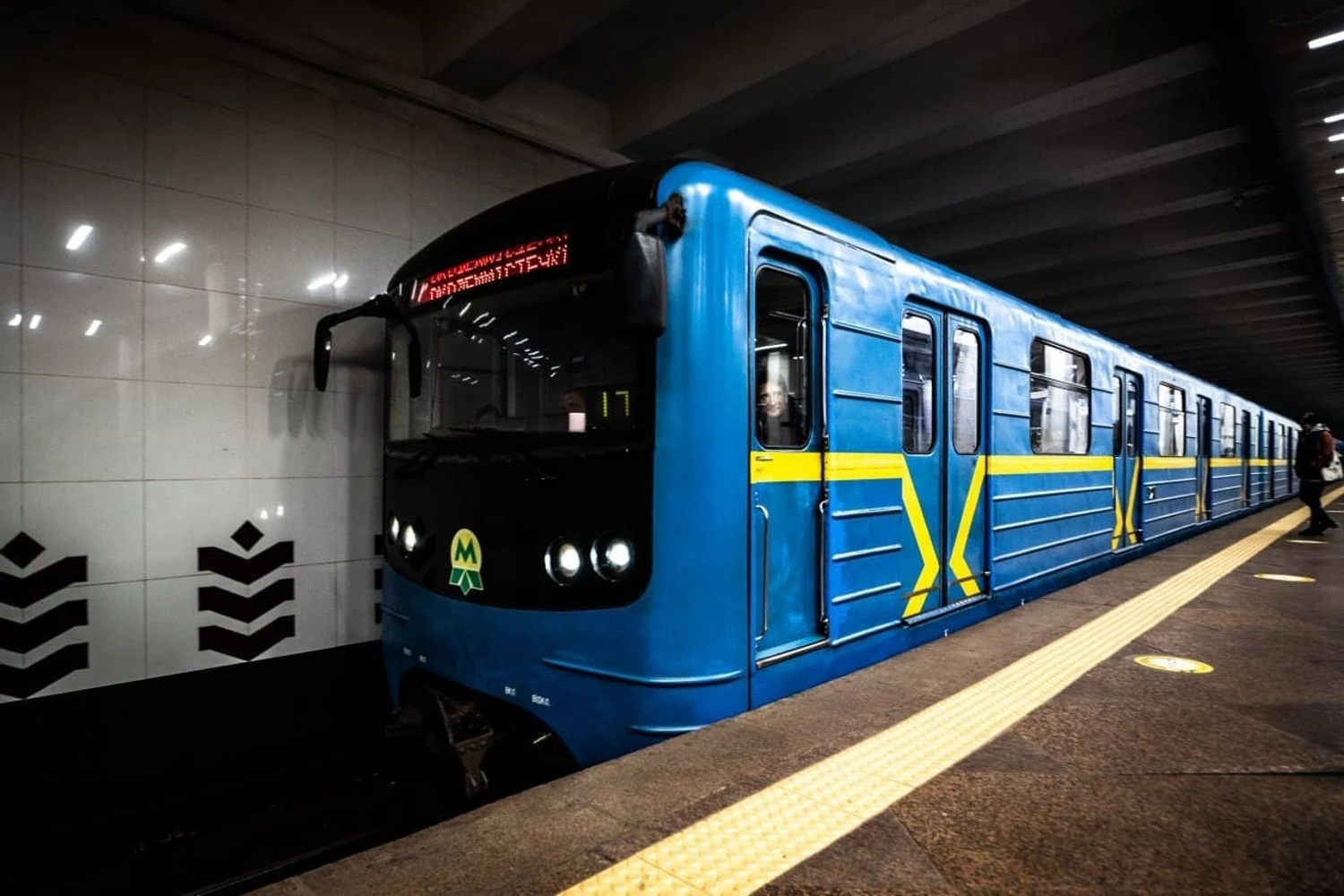
Train service between "Syrets" and "Chervonyi Khutir" has been restored at six-minute intervals. The swift work of repair crews and energy workers restored Kyiv residents' morning mobility — we examine why this matters now.

By Tetiana Suchkova-Ladik
January 24, 2026 · 1 min read
Summary
The green branch of the Kyiv metro resumed operations after a nighttime Russian shelling: trains are running from the "Syrets" station to the "Chervonyi Khutir" station at intervals of 6 minutes, the KMDA and UNN report.
"The green line is resuming operations in normal mode. Trains are running from the 'Syrets' station to the 'Chervonyi Khutir' station on a schedule every 6 minutes"
— KMDA
Details and context
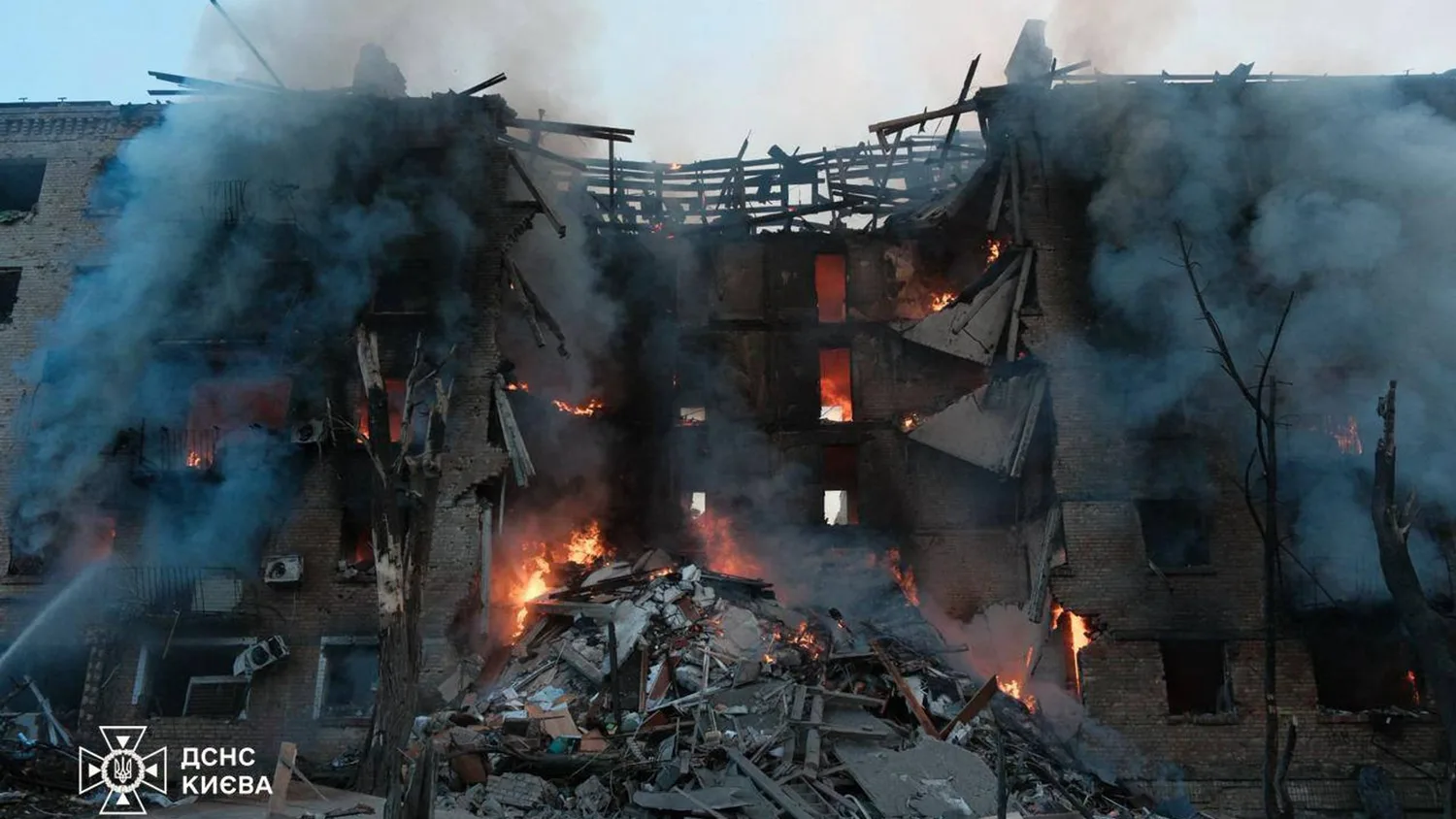
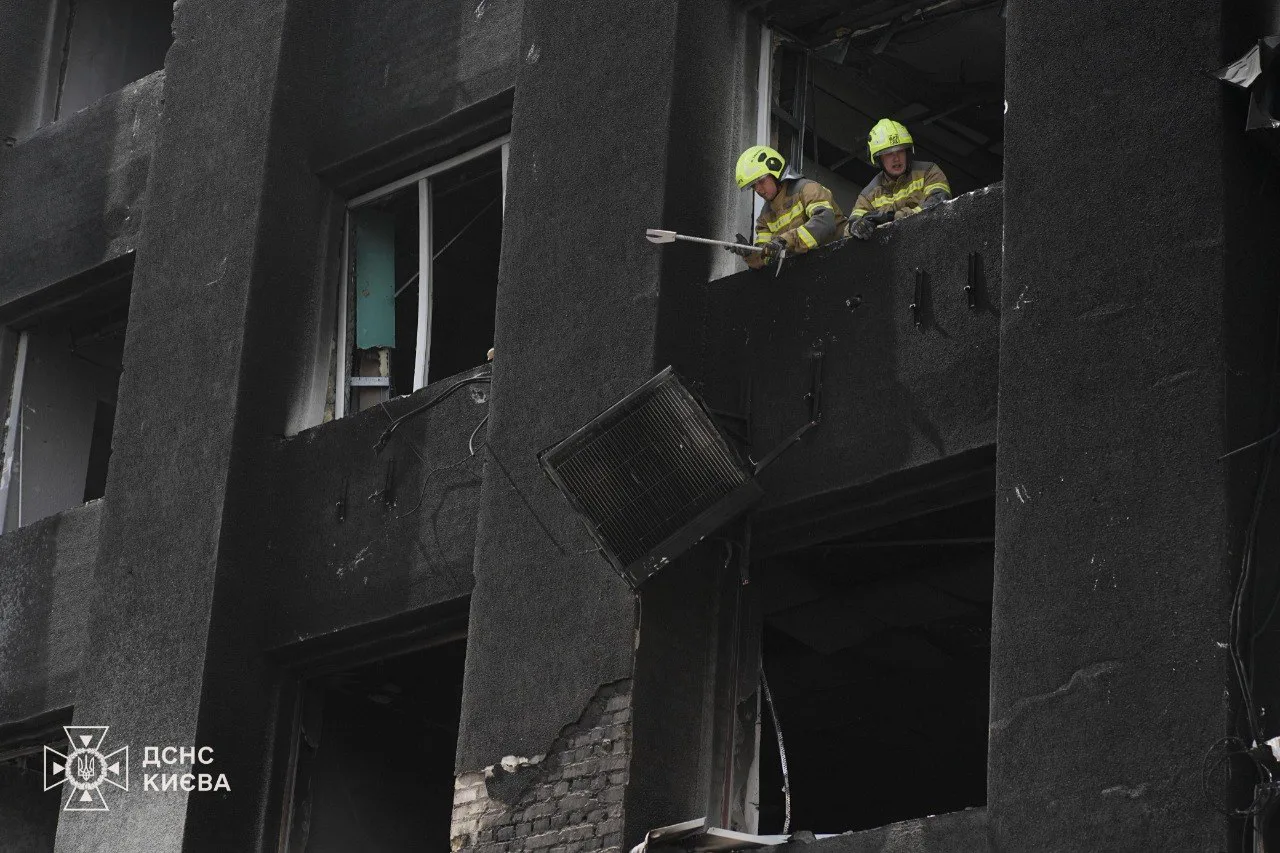
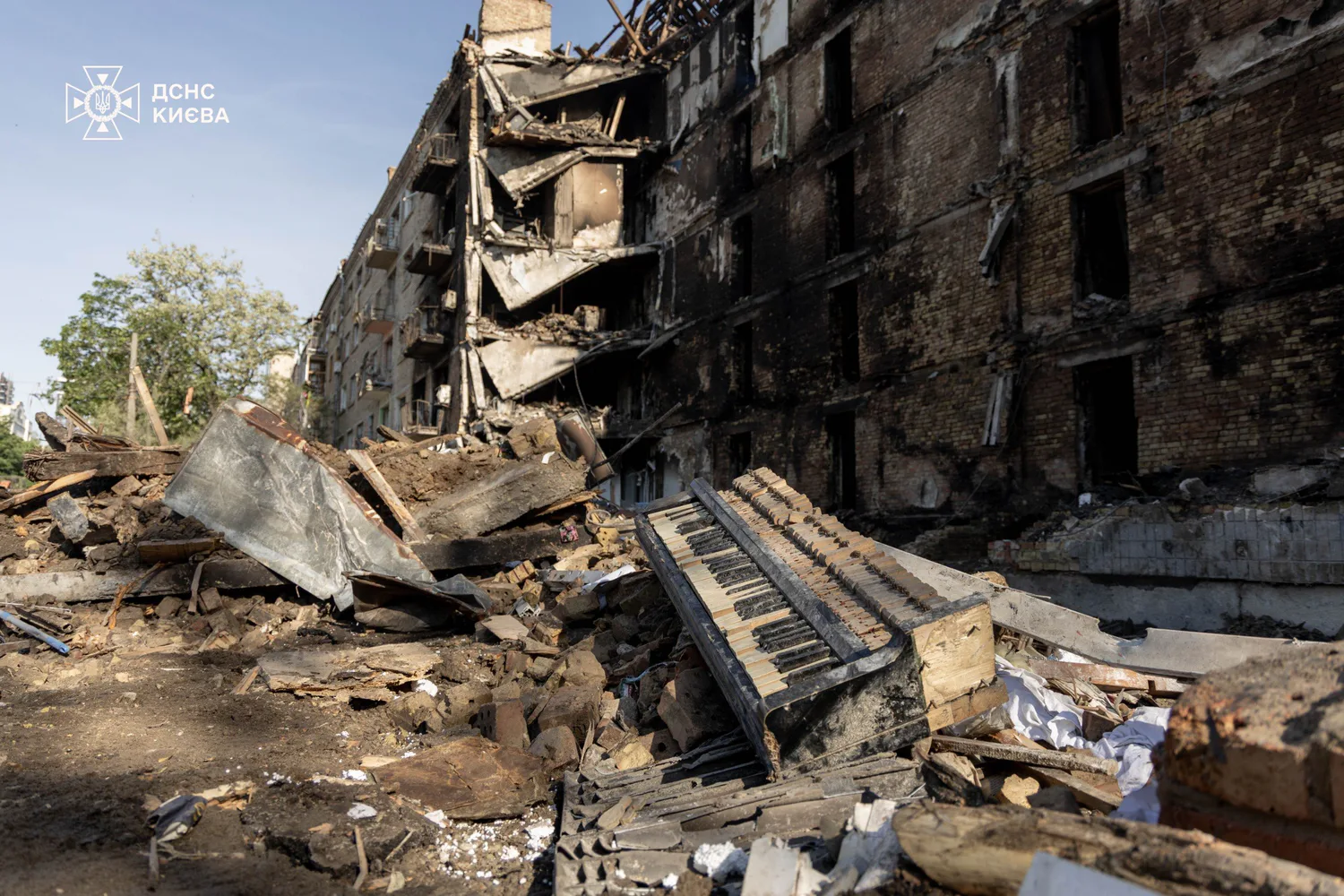
The nighttime heavy shelling caused damage to infrastructure and temporary service changes: in the morning trains operated on the sections "Syrets"–"Vydubychi" and "Osokorky"–"Chervonyi Khutir". Repair crews quickly eliminated the consequences, making it possible to restore the full schedule on the green line.
At the same time, restrictions were introduced on the red line due to a shortage of electricity — a direct consequence of the nighttime damage to the power grid.
Why it matters
The metro for the capital is not only transport but critical infrastructure that provides evacuation routes and access to workplaces and medical facilities. The rapid restoration of service indicates coordinated work by the city administration, the metro, and energy workers.
Transport infrastructure experts note that the regularity of service (6-minute intervals) restores predictability for thousands of commuters and reduces pressure on alternative routes.
What’s next
While the restored runs are the result of prompt work, risks remain: repeated strikes on the power system or infrastructure could again restrict service. The stability of transport affects not only comfort but also the responsiveness of rescue services and medical care.
Questions for the coming days: whether the schedule can be maintained in the event of new shelling and how quickly power supply will be restored if there are further damages. The answer depends on the security, repair, and energy reserves of the city.
Sources: KMDA and UNN statements; comments from transport analysts.