Zelensky announced sporting sanctions against Russian figures after the disqualification of a Ukrainian skeleton racer
Kyiv is preparing personal sanctions against those who "put sport at the service of war." The decision is linked to the disqualification of a Ukrainian skeleton racer over a commemorative helmet — it is a signal not only to Russia but also to international institutions.

By Tetiana Suchkova-Ladik
February 15, 2026 · 2 min read
What happened
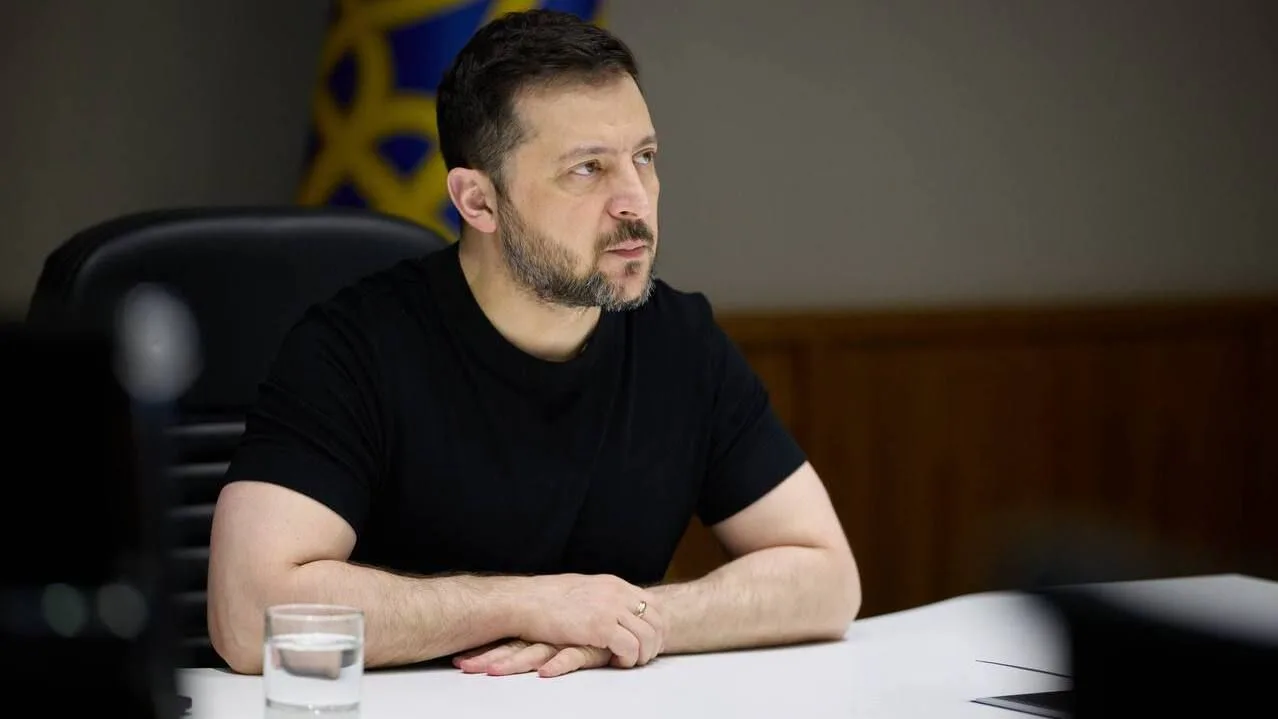
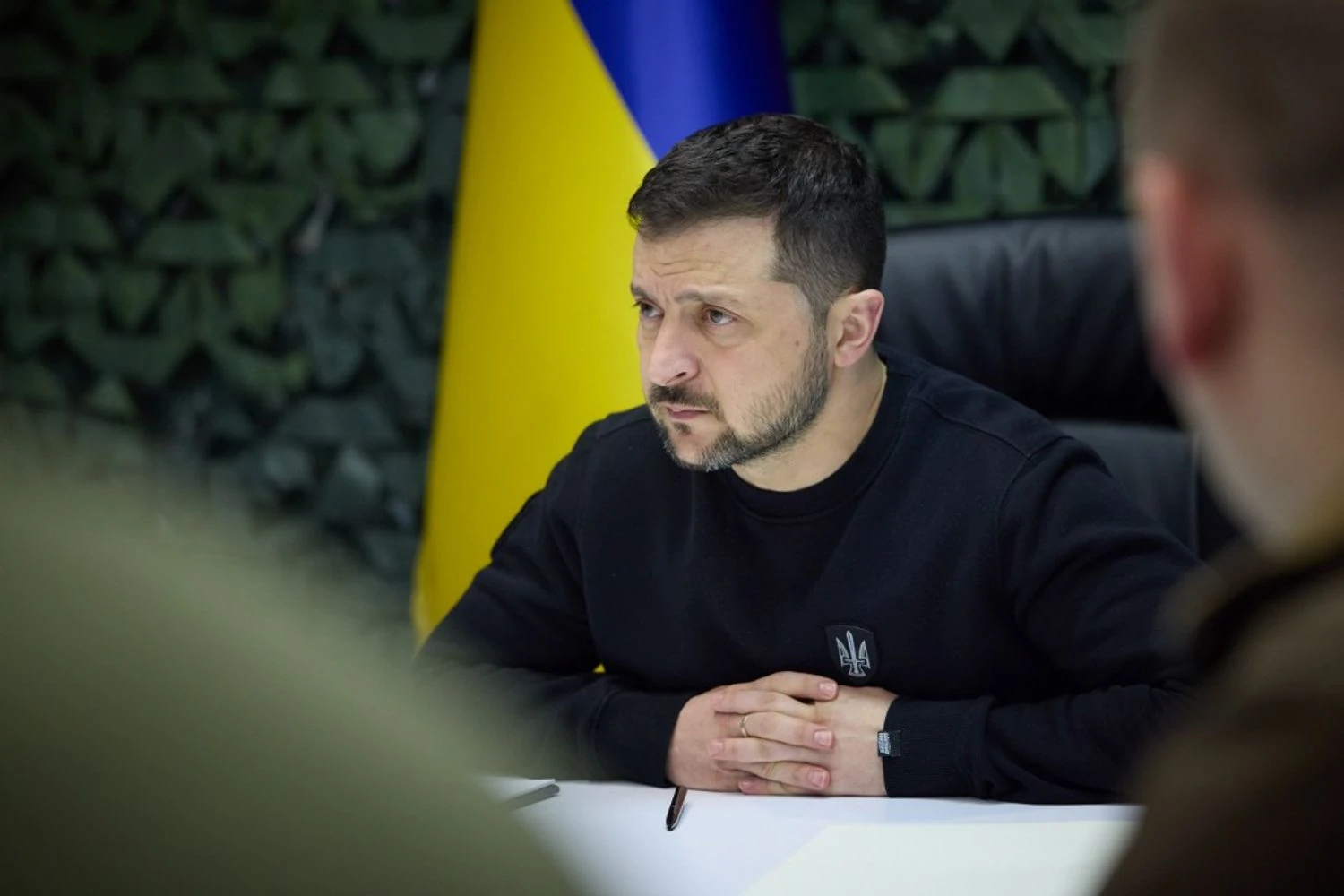
President Volodymyr Zelensky announced the preparation of a new package of sports sanctions against Russian individuals who, according to the authorities, use sport for military purposes. According to UNN, the relevant documents have already been prepared, and a presidential decree is expected soon.
“We are preparing a new sanctions package against Russian individuals who work for the war and put sport at the service of war. The documents have already been prepared.”
— Volodymyr Zelensky, President of Ukraine
Context: the disqualification of Heraskevych
The reason for the statement is the International Olympic Committee's (IOC) decision to disqualify Ukrainian skeleton racer Vladyslav Heraskevych. According to reports, the athlete intended to use a helmet bearing images of fallen Ukrainian athletes — a sign of remembrance that the IOC classified as a political gesture in the context of the 2026 Olympics.
Why this matters
Kiev’s decision can be read as attempting several things at once: to protect the symbolic memory of the dead, to demonstrate the unacceptability of using sport to legitimize aggression, and to push international organizations toward a more consistent position regarding Russia. This is not only an emotional gesture — there is a rational logic at work: if sporting arenas become instruments of influence, the country enduring aggression must have tools of response.
Mechanics and possible consequences
The officially announced package is aimed at individuals who “put sport at the service of war.” Analysts expect this will involve personal restrictions — entry bans, asset freezes and targeted reputational restrictions within the sporting sphere. Such steps have a dual effect: they increase pressure on specific actors and create a precedent for Ukraine’s partners in the world of sport and politics.
“Remembrance is not a violation.”
— Volodymyr Zelensky, President of Ukraine
What’s next
A presidential decree and details of the sanctions package are expected in the coming days. Next are questions for international institutions: will they revise their approaches to political expressions during competitions, and are partner states ready to respond? The effectiveness of Ukraine’s steps will depend not only on the measures themselves, but also on the ability to turn political signals into concrete international coalitions and practices.
Summary: this is a signal addressed to several audiences at once — Russian actors, the international sporting community and Ukraine’s partners. Whether it can change the rules of the game in sport during wartime depends on the next moves by both Kiev and global institutions.