Paper Labor Book Still Valid — But Now Correcting Errors in It Is More Difficult
# On June 10, a five-year transition period for switching to electronic work records came to an end. The work experience itself has not disappeared, but those who failed to digitize their records risk delays when applying for pensions — and queues at the Pension Fund are already two months long.

By Tetiana Suchkova-Ladik
June 10, 2026 · 2 min read
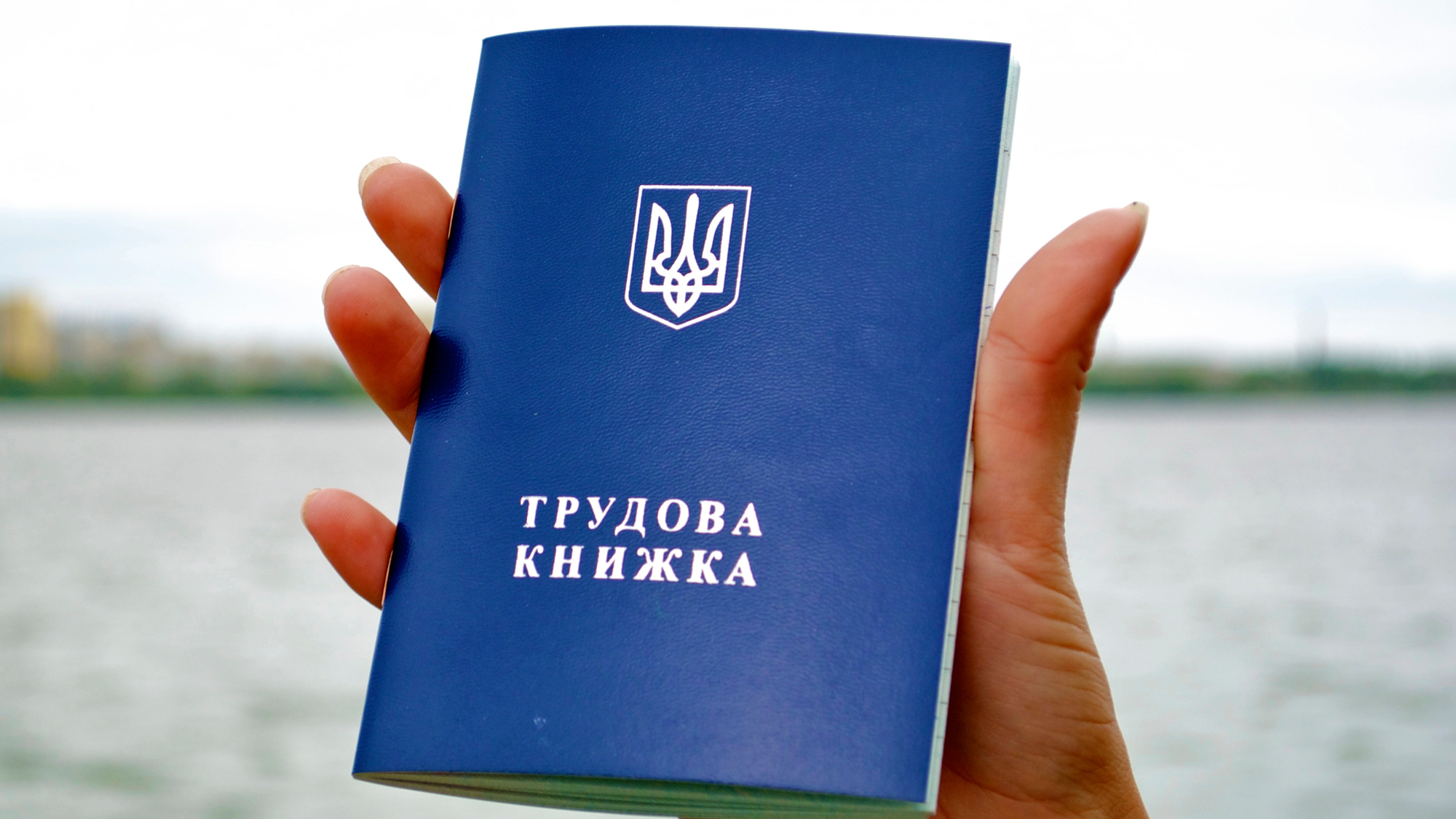
As of June 10, 2025, the five-year transition period for moving from paper labor books to the Register of Insured Persons has officially ended. The Ministry of Social Policy confirmed the date — but did not explain what actually changed in practice.
What actually happened
Electronic labor books began operating in Ukraine on June 10, 2021. From that moment, employers have been required to enter data on hiring and termination directly into the Register of Insured Persons of the Pension Fund. The transition period concerned something different: entering work experience accumulated before 2021 from paper documents.
Work experience gained after 2004 is already recorded in the register — through monthly employer reports. The problem is with records prior to 2004: they exist only on paper, and their verification depends on the physical preservation of the book.
Didn't digitize — didn't lose, but complicated things
The Pension Fund of Ukraine officially emphasizes: the absence of a digitized labor book does not annul work experience. The paper document remains a legitimate basis for its verification. However, in practice, this means queues, manual verification, and potential legal disputes.
"Until the deadline passes and we see how the territorial offices of the Pension Fund actually operate — it's unclear"
lawyer Olena Voronkova, Focus
Already from March 2025, the queue for processing submitted scans at some offices reached two months. After the transition period ends, the workload will likely increase — due to those who postponed the procedure until the last moment.
Who is at risk
- Those who worked before 2004 and did not digitize their book: they will have to verify their work experience manually using paper documents.
- Pensioners who continued working after 2021: digitization is critically important for them, as data from both periods are stored in different systems.
- Ukrainians abroad: you can submit documents remotely through the Pension Fund portal, but only with a qualified electronic signature.
- Those whose employers have already been liquidated: restoring records without archival certificates will be much more difficult — and this is already the subject of lawsuits.
What will change next
A draft law has been registered in the Verkhovna Rada to extend the digitization deadline for the duration of martial law plus three years after its end. For now, this is only a proposal — the official date has not changed.
After digitization is fully completed, the electronic labor book will receive a presumption of authenticity: in case of legal disputes, it will take priority over the paper document. The employer will no longer be required to keep the paper original — it is returned to the employee with a signature.
If the draft law extending the deadlines is not adopted by the end of 2025, and the number of applications to the Pension Fund increases — will the system be able to handle the processing without new queues and technical failures that have already been recorded?