Slovakia Holds EU's 20th Sanctions Package Hostage Over Pipeline That Kyiv and Moscow Describe Differently
Blanar Set a Condition: Sanctions Only After Restoring "Druzhba". But the actual reason for the pipeline shutdown remains a point of contention between Bratislava and Kyiv.

By Tetiana Suchkova-Ladik
April 16, 2026 · 2 min read
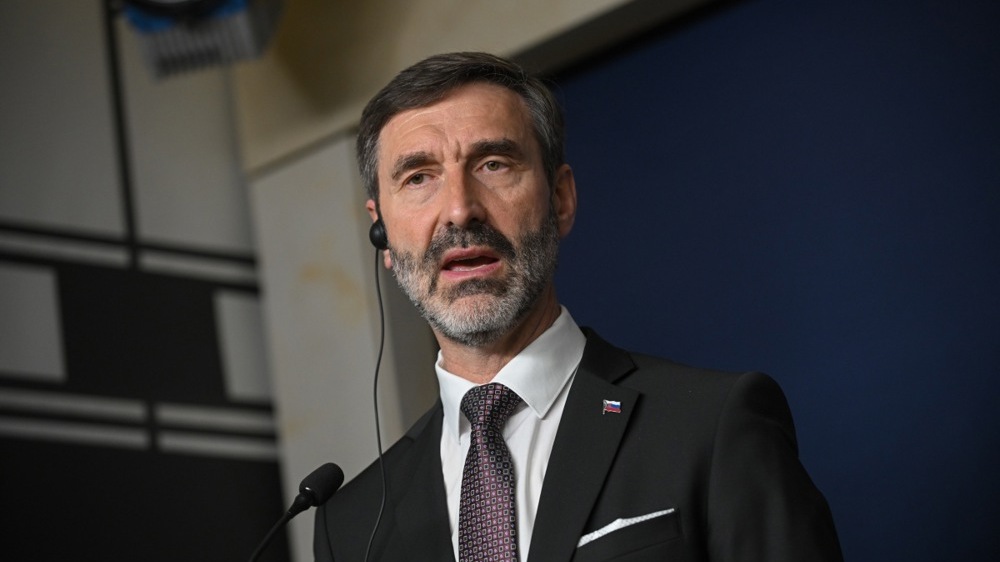
Slovakia's Foreign Minister Juraj Blanár announced in parliament that the country will block the adoption of the EU's 20th sanctions package against Russia until supplies of Russian oil through the Druzhba pipeline are restored. At the same time, according to Blanár, Bratislava does not object to allocating a 90 billion euro EU credit to Kyiv — meaning the sanctions lever is being applied selectively rather than as a general protest against Ukraine support.
What stopped Druzhba
The pipeline has not been operational since the end of January 2026. Kyiv claims that pumping stations in Ukraine were damaged as a result of Russian drone strikes. The Slovak and Hungarian sides dispute this version: Prime Minister Robert Fico directly accused Zelenskyy of intentionally blocking transit for political reasons.
"We do not understand the position of the Ukrainian side, which does not communicate with us and does not provide relevant information about the damage"
Juraj Blanár, Slovakia's Foreign Minister
Slovakia has appealed to the European Commission to investigate the circumstances of the damage. Zelenskyy, for his part, stated in spring that the pipeline would be repaired, but noted: "They are forcing me to restart Druzhba — how is this different from lifting sanctions on the Russians?"
The cost of alternatives
Hungary and Slovakia have switched to the Croatian Adria pipeline — but this decision created a new problem. Both countries filed complaints with the European Commission, claiming that Croatia has set tariffs three times higher than the Central European average, abusing its monopoly position. Transit through Druzhba, meanwhile, had fallen to a 10-year minimum even before the shutdown — 9.7 million tons in 2025.
Sanctions geometry
Slovakia is acting differently than Hungary in this situation. Budapest blocked both the sanctions package and the credit to Ukraine — that is, applied maximum pressure. Bratislava separated these issues: it supports the credit, but not the sanctions. This is either a more flexible negotiating tactic, or a signal that Slovakia is seeking a specific result rather than a demonstrative position.
- Slovakia supports the EU credit to Ukraine of 90 billion euros
- Slovakia blocks the 20th sanctions package — until oil transit is restored
- Blanár's demand: "a clear, transparent and verified declaration" about Druzhba's resumption
- The European Commission received a request to conduct its own investigation into the damage
The key question is not whether Druzhba will be restored technically — but who will confirm the reason for the stoppage. If the European Commission concludes that the damage is indeed technical and not dependent on Kyiv, will Bratislava lift the package blockade without any additional conditions — or will new ones appear?



