100 "Wagons of Invincibility": How Ukrzaliznytsia Turned Out-of-Service Railcars into Mobile Starlink Hubs
Ukrainian Railways (UZ) has retrofitted 100 railcars into autonomous heating, communications and aid points — with no budgetary expenditure. This is not PR, but a tool of local resilience during attacks and energy crises.

By Tetiana Suchkova-Ladik
December 30, 2025 · 2 min read
Brief — and to the point
Ukrzaliznytsia has converted 100 non-operational cars into so-called "wagons of resilience". The project was implemented together with partners All Hands & Hearts, World Central Kitchen, Hachiko Foundation and White Stork at no cost to the state budget. The wagon modules have autonomous heating, power supplies, Starlink kits and household equipment — and can be rapidly moved to where they are needed.
What's inside
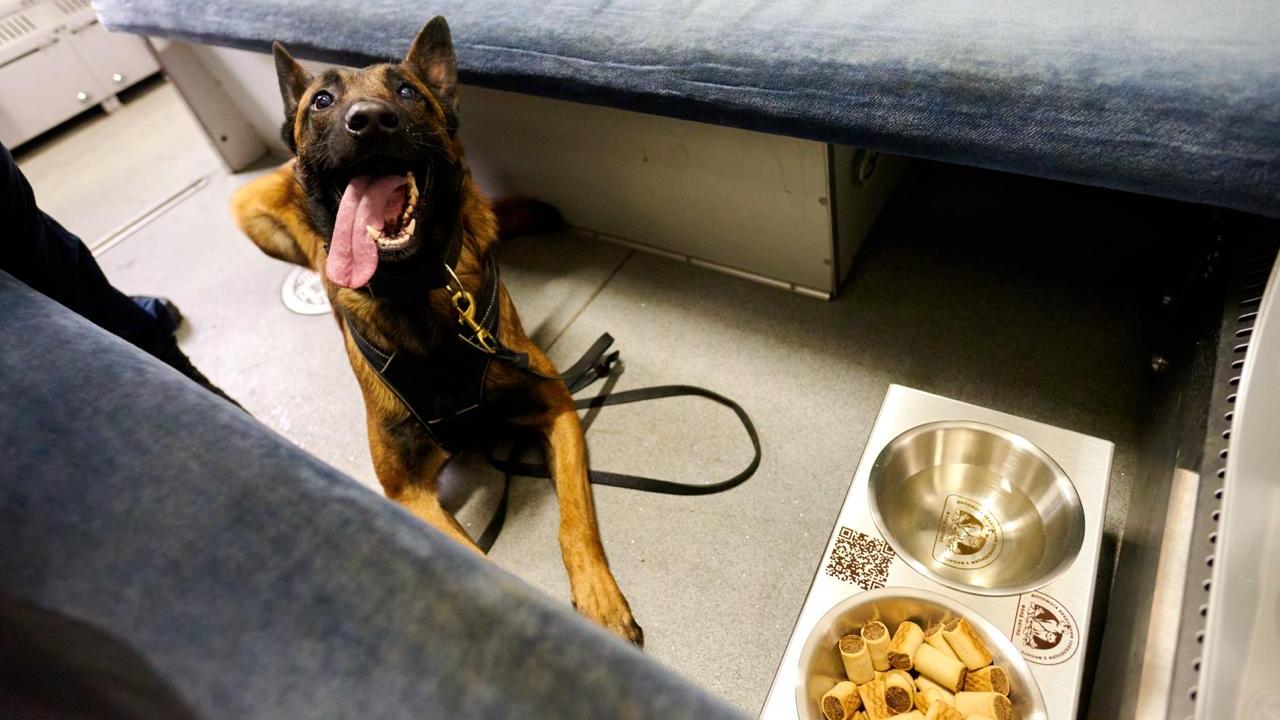
Each wagon is equipped with a heating system, charging devices (from generators and portable power sources), a microwave and a refrigerator. There is a children's compartment with toys, books and educational materials, a multimedia zone and separate compartments for comfortable stays with pets.
"Their advantage is that they can be rapidly moved precisely to where they are needed at a given moment, strengthening local points of resilience — in particular our stations"
— Ukrzaliznytsia, press service
Why it matters
This is not just about comfort — it's about the operational resilience of infrastructure. In times of attacks on transport hubs or local power outages, a mobile hub with connectivity via Starlink and autonomous heating allows for the rapid restoration of critical services: warming places, charging points for mobile devices, food preparation and coordination of aid.
Social and partnership context
The project was implemented jointly with international and Ukrainian charitable organizations — this adds endorsement from humanitarian logistics practitioners and confirms the effectiveness of the solution in field conditions. At the same time, Ukrzaliznytsia emphasizes that the wagons are available free of charge upon request from local authorities, so this is a tool for communities in crisis.
"And, together with the Hachiko Foundation, separate compartments have been outfitted for comfortable stays with pets, and treats for every four-legged guest"
— Ukrzaliznytsia, press service
Financial and security background
At the same time, Ukrzaliznytsia remains under pressure: in 2025 the company recorded billion-hryvnia losses, and is also preparing to raise freight tariffs in 2026. This means that such initiatives are useful, but do not solve the systemic challenges of financing and infrastructure restoration.
We also recall the recent attack on the depot in Fastiv (the night of December 6), during which the suburban train depot and 27 wagons were destroyed — incidents of this kind underscore the need for mobile, autonomous solutions on the railway.
What's next?
This project is an example of practical, grassroots resilience: when a big problem is broken down into operational solutions that deliver a real effect here and now. Now it is important that local authorities and humanitarian networks include such wagons in their response plans, and that partners help scale the initiative where it is most needed. Whether this can become a standard for other rail operators and regions will be shown by practical application in the coming months.