75% of Banking System Signs Memorandum on Defense Industry — Intention Without Execution Mechanism
23 banks account for more than three-quarters of Ukraine's net assets, but the document fixes "aspirations" rather than commitments — and contains no sanctions for deviating from the course.

By Tetiana Suchkova-Ladik
May 25, 2026 · 3 min read
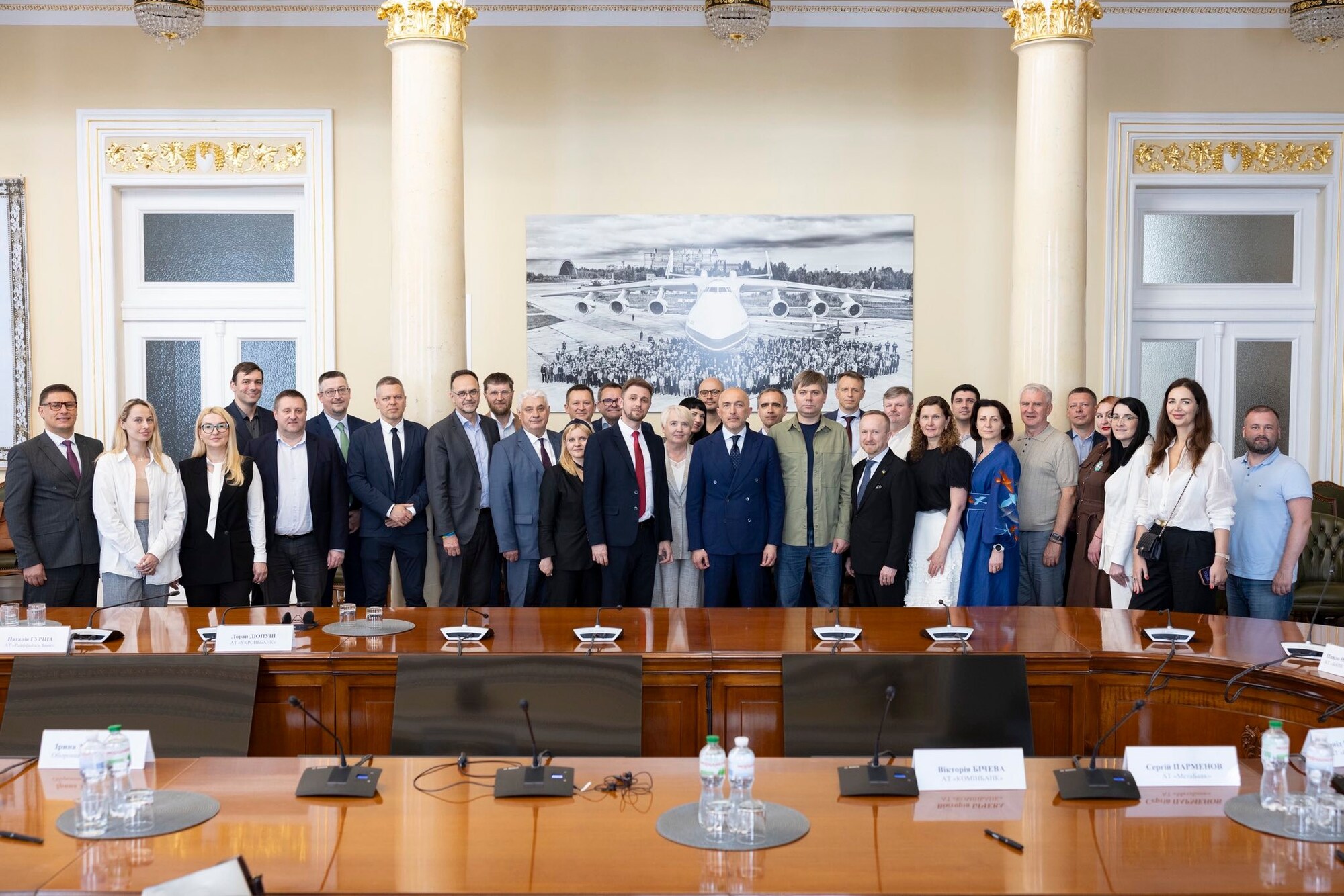
23 largest banks in Ukraine signed a memorandum to expand access to financing for defense industry enterprises. The document covers institutions of various ownership forms with a combined share of over 75% of net assets of the banking system. This was announced by the National Bank's press service.
What was signed — and what is missing
A bank's signature on the memorandum, according to the NBU's wording, "attests to the recognition of the priority of financing the defense industry sector in strategies, risk appetites, product lines and internal processes." However, the key word in the binding section is "will endeavor." Banks agreed to endeavor to apply a lenient approach to pricing and partially abandon "hard collateral."
Instead of traditional real estate or equipment as collateral, the object being financed, goods in circulation, property rights to receivables, state guarantees, or owner guarantees can now serve as security. This is a fundamental change for an industry where a company's physical assets are often classified or located in a risk zone.
"Defense industry financing is growing dynamically. According to our survey, the increase in loans and guarantees provided in the sector for 2025 exceeded 60 billion hryvnia. And this is just the beginning."
Andriy Pyshny, Head of the National Bank of Ukraine
The memorandum is a bilateral document
An important detail that is easy to overlook: the document contains expectations not only from banks, but also from state authorities — the Ministry of Defense, Ministry of Finance, Defense Procurement Agency, Export Credit Agency, and National Development Institution. In other words, banks agreed to soften terms — but on the condition that the state provides guarantees, insurance, and transparency of contracts with weapons manufacturers.
This mutual nature of the document is the main difference between the memorandum and a typical letter of intent. At the same time, no public mechanism for verifying compliance with obligations by either party has been announced.
Context: from declaration to actual credit
In parallel, in December 2025, six banks (state and private) signed the first syndicated loan agreement in history for the defense industry worth 21.5 billion hryvnia for three years under state guarantee. One of the state banks acted as the organizing bank. According to the Financial Stability Council, in 2025, net hryvnia loans to machine building tripled — primarily due to defense financing.
So the memorandum of 23 banks is not a start from scratch, but an attempt to institutionalize an emerging practice. The difference between a declaration and a syndicated loan is obvious: the latter has a specific amount, term, and collateral.
- 60+ billion hryvnia — increase in defense industry loans and guarantees for 2025 (according to NBU survey)
- 21.5 billion hryvnia — record syndicated agreement of six banks (December 2025)
- 75%+ — share of net assets of banks that signed the memorandum
- 5 billion hryvnia — preferential loans to private defense industry enterprises during 2025
The memorandum signals that the banking sector is ready to reconsider its risk appetite regarding defense. But if the Ministry of Finance and the Defense Procurement Agency do not fulfill their part — transparent contracts, state guarantees, insurance — the banks' "endeavors" will remain just words on paper. The actual fulfillment of the state's part of the memorandum will be the real test of whether this document becomes a systemic tool or remains merely a declaration of intent with an impressive number of signatures.