UAH 11.3 billion in "winter support": 80% went to utilities — what it means for families and the budget
A one-off 1,000-hryvnia payment has become for millions of Ukrainians not a luxury but a way to pay for heating and electricity. We explain why the money was spent on those bills and what risks and benefits the program carries.

By Tetiana Suchkova-Ladik
January 19, 2026 · 2 min read
Briefly — numbers that speak for themselves
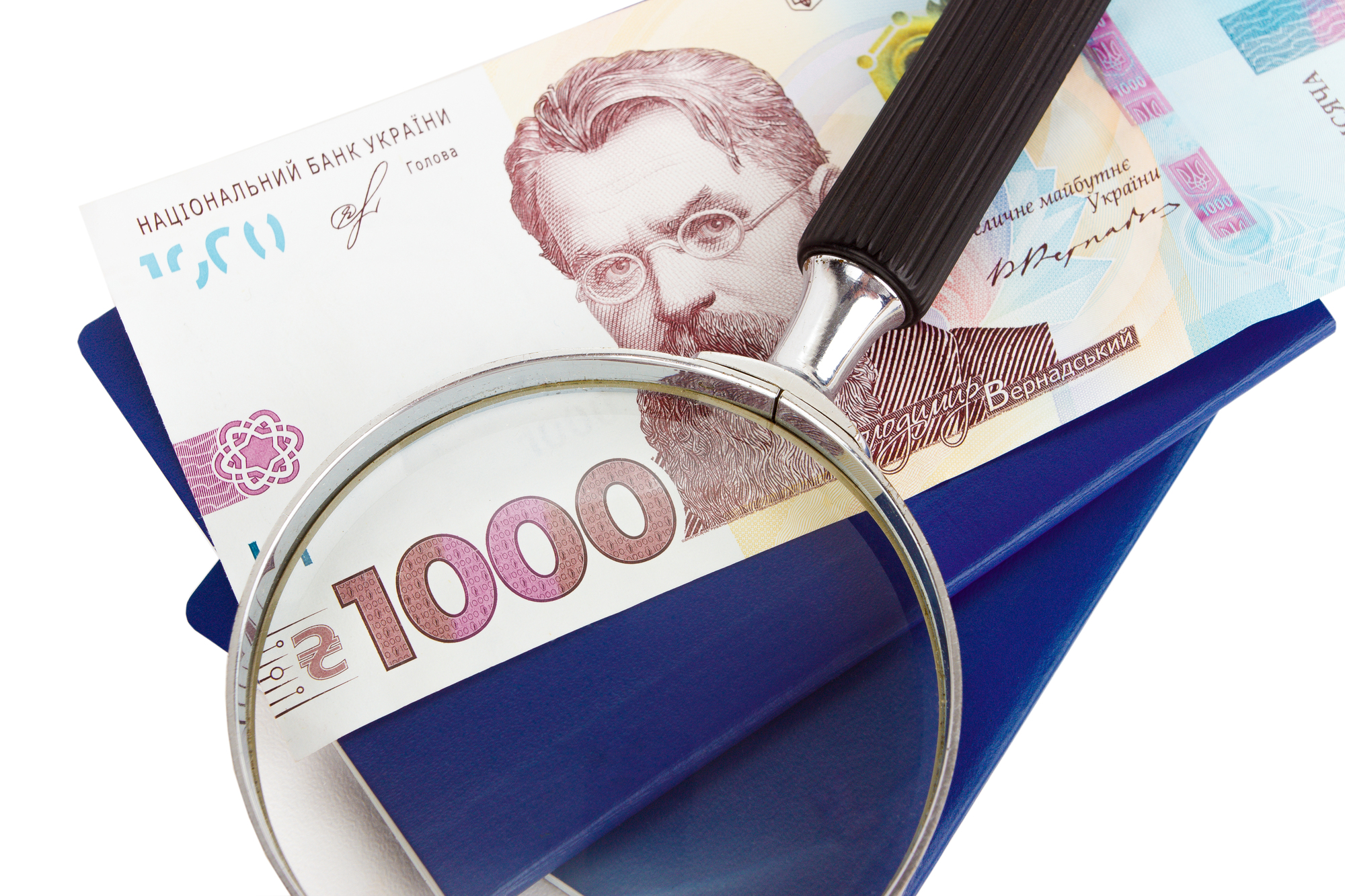
The Cabinet of Ministers has summed up the initial results of the "winter support" program. It was used by 17.8 million Ukrainians (including 3.5 million children). As of January 19, 11.3 billion UAH has been spent on payments, and roughly 80% of these funds were directed to utility bill payments.
"Most often the funds are directed to paying utility bills — this is about 80% of expenditures. Among other popular categories are food, medicine, and donations to the Armed Forces of Ukraine"
— Yuliia Svyrydenko, Prime Minister
Who else received funds
Separate payments of 6,500 UAH for vulnerable population groups continue. They have already been received by 374,367 people, who spent about 1.1 billion UAH — mainly on clothing and footwear for their families.
Why the money went to utilities — context
This is not accidental. During the winter period, payment burdens increase: tariffs, a more frequent payment schedule, and the risk of accumulating debts. For many families the one-off 1,000 UAH became precisely the "pay now" option, rather than being spent on long-term needs.
Social policy analysts note that in periods of energy and economic instability direct cash transfers quickly reduce the risk of accumulating debts and extreme poverty — even if the composition of spending seems unpalatable to part of the public.
Consequences and questions to monitor
Advantages: rapid relief for household budgets, reduced payment pressure on utility companies, and less strain on charitable networks. Drawbacks and risks: targeting issues (whether the most vulnerable received help), as well as political debates about the advisability of one-off payments instead of systemic income-support reforms.
Experts agree that the program's effectiveness should be evaluated not only by the total amount spent, but by whether it prevented disconnections or the accumulation of debts in critical months.
What’s next
The program started on November 24, and payments are still ongoing. The next step is transparent monitoring of expenditures and public data on the impact on household energy debt. This will allow turning one-off support into an effective tool for social stabilization during the war.
Questions for society and the government: should the one-off transfer format be retained in future crises, or should investment go into more targeted assistance mechanisms? The answer will determine the economic resilience of many families this spring.



