12.4 million for repairs after strike that claimed 38 lives: Tернopil receives second tranche
The Cabinet of Ministers allocated funds for the restoration of infrastructure damaged during one of the deadliest strikes on rear cities — the November 19, 2024 shelling. Work has been halted due to budget deadlines and procurement procedures.

By Tetiana Suchkova-Ladik
May 21, 2026 · 2 min read
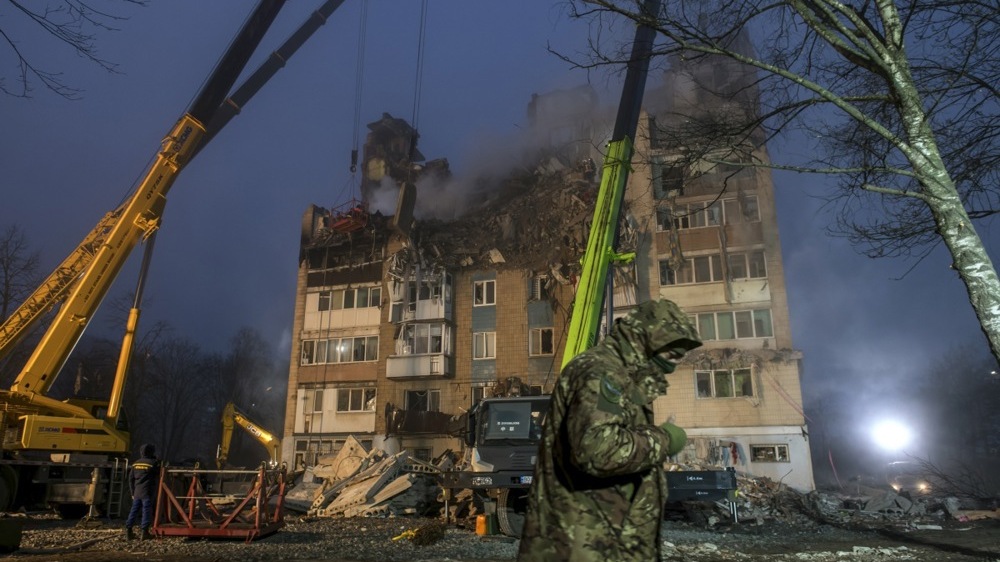
The Cabinet of Ministers has allocated 12.4 million hryvnias from the state budget reserve fund to restore social and housing infrastructure in Ternopil. The funds will go to the Ternopil Regional Military Administration as a continuation of work that could not be completed in the previous budget cycle.
According to the Ministry of Economy press service, work halted due to three factors: limited budget period deadlines, weather conditions, and the length of procurement procedures. In other words, not a lack of funds, but administrative inertia.
What and when was damaged
This concerns the consequences of a strike on November 19, 2024 — one of the deadliest for civilian casualties among rear-area cities since the start of the full-scale invasion. According to Zaxid.net, as a result of a combined strike by Kh-101 missiles and attack drones on two residential high-rise buildings on Stus Street and 15 April Street, 38 people were killed, including eight children, and nearly a hundred were injured. Rescue workers spent more than three days clearing the rubble.
"The killers struck our city with missiles and Shaheds. Buildings and civilian infrastructure were damaged"
Ternopil Mayor Sergiy Nadal — immediately after the strike
In addition to the directly destroyed entrances, neighboring buildings were damaged: broken window frames at entrances were destroyed, communications were damaged. According to tenews.org.ua, restoration in the damaged high-rise building on 15 April Street proceeded in stages — first communications, then windows and elevators, now gas supply.
How much money and where from
12.4 million hryvnias is a reserve fund allocation from the state budget. This is not the first tranche: previously, according to UNN, the government had already allocated 30.8 million hryvnias to eliminate the consequences of the same attack. This means the total volume of direct state funding for recovery after the November 19 strike exceeds 43 million hryvnias — and, judging by the timeline, is not final.
Why work wasn't completed on time
The official explanation — three concurrent delays: the budget year ended before contractors completed the work; winter weather limited construction processes; tender procedures took longer than expected. This is a typical trap of restoration programs during wartime: money is available, but procedures are designed for peacetime pace.
- Budget cycle is not synchronized with actual construction timelines
- Procurement through Prozorro takes weeks even in priority cases
- Weather — the only objective factor, the rest are systemic
If these same systemic limitations remain unchanged, the next tranche — after another incomplete season — will again require a separate Cabinet decision.