EU Puts €1.5 Billion on Hold: Brussels Checks if Serbia Still Meets Conditions for Funds
The European Commission has openly discussed freezing funding for Serbia — for the first time formulating this not as a warning, but as an active compliance check. Behind the figures stand concrete triggers: the crackdown on student protests, pressure on courts, and Vučić's conspicuous absence from the December EU summit.

By Tetiana Suchkova-Ladik
April 10, 2026 · 2 min read
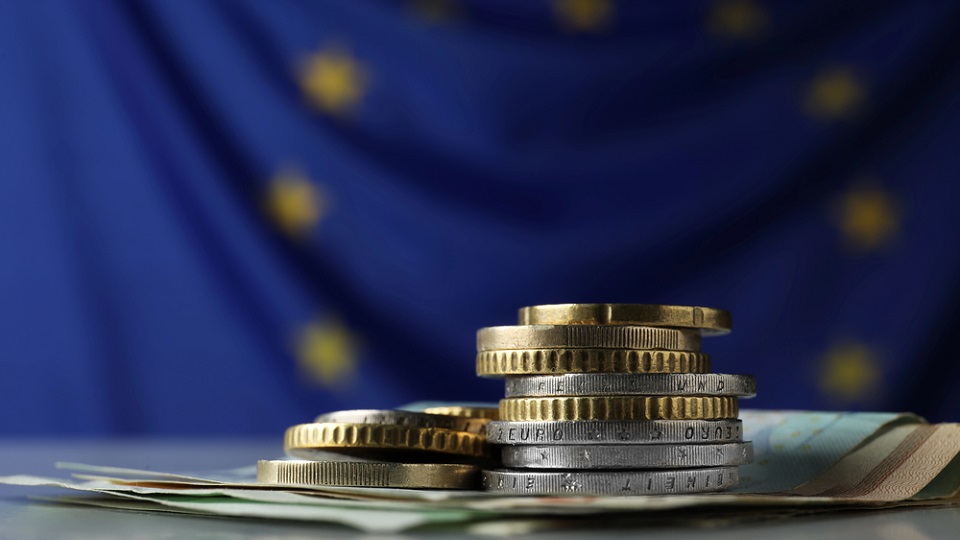
The European Commission is checking whether Serbia still meets the conditions of EU financial instruments — and the result of this inspection could cost Belgrade up to 1.5 billion euros. This was reported on Friday by Politico, citing the European Commissioner for Enlargement.
What exactly is being checked
This concerns funds under the Growth Plan for the Western Balkans — an instrument launched by the EU in 2024 with a specific logic: money is distributed proportionally to reforms. The total package for Serbia amounts to approximately 1.6 billion euros, and most of it has not yet been paid out.
«We are increasingly concerned about what is happening in Serbia — from laws that undermine judicial independence to the suppression of protests and frequent interference with the work of independent media».
Marта Kos, European Commissioner for Enlargement, Politico
Several triggers have accumulated. In November 2024, a roof collapse at the railway station in Novi Sad claimed 15 lives — and sparked the largest student protests in modern Serbian history. The authorities responded with dispersals. In December 2025, Vučić did not attend the EU summit with Western Balkan countries — a gesture that Brussels read unambiguously. Meanwhile, Serbia remains the only candidate country that has not joined the EU sanctions against Russia.
Belgrade's position
Serbia's Ambassador to the EU and chief negotiator with the bloc Daniel Apostolović, in a comment to Politico, expressed confidence that a freeze will not occur and confirmed the course toward full membership. President Vučić, speaking at a Euronews summit in November 2025, parried criticism with economic indicators: debt — 43% of GDP, twice less than the EU average, stable growth despite years of protests.
Why this is not just symbolic pressure
Researchers from the German Council on Foreign Relations (DGAP) Milan Nič and Nikola Xaveref in their 2025 memorandum identified a fundamental problem: in July, the EU already hinted at the possibility of suspending payments — and ultimately transferred the money anyway. This very inconsistency, according to the analysts, undermines the effectiveness of conditionality. «Brussels must avoid making payments at the very moment when it hints at their suspension», — states the document.
- Student protests following the Novi Sad tragedy have continued for over seven months
- Serbia is the only EU candidate country that has not supported sanctions against Russia
- NIS, Serbia's only oil refinery, was recently controlled by Gazprom Neft and fell under US sanctions
- The EU paid the first tranche of funds under the Growth Plan in January 2026 — a decision that is already being criticized as premature
It is notable that in parallel, Serbian authorities are developing a narrative about financing protests «from abroad» — despite the fact that, according to European Western Balkans, state structures themselves are the largest recipients of foreign financing from the EU over the past decade.
What comes next
If the European Commission determines that Serbia does not meet the conditions, the next step would be an official suspension of payments — a precedent that has not yet occurred in the format of the Growth Plan. The question is different: will Brussels dare to take this step if last time — with worse indicators — it transferred the money anyway?