UAH 1,500 for 13 million people and fuel cashback: immediate support from the authorities — what it means for your wallet and the budget
The President announced an automatic supplemental payment for pensioners and recipients of social benefits and a cashback program for diesel, petrol and gas. We break down who will receive the money, how it will work and what the risks are for the state budget.

By Tetiana Suchkova-Ladik
March 12, 2026 · 2 min read
Briefly about the decision
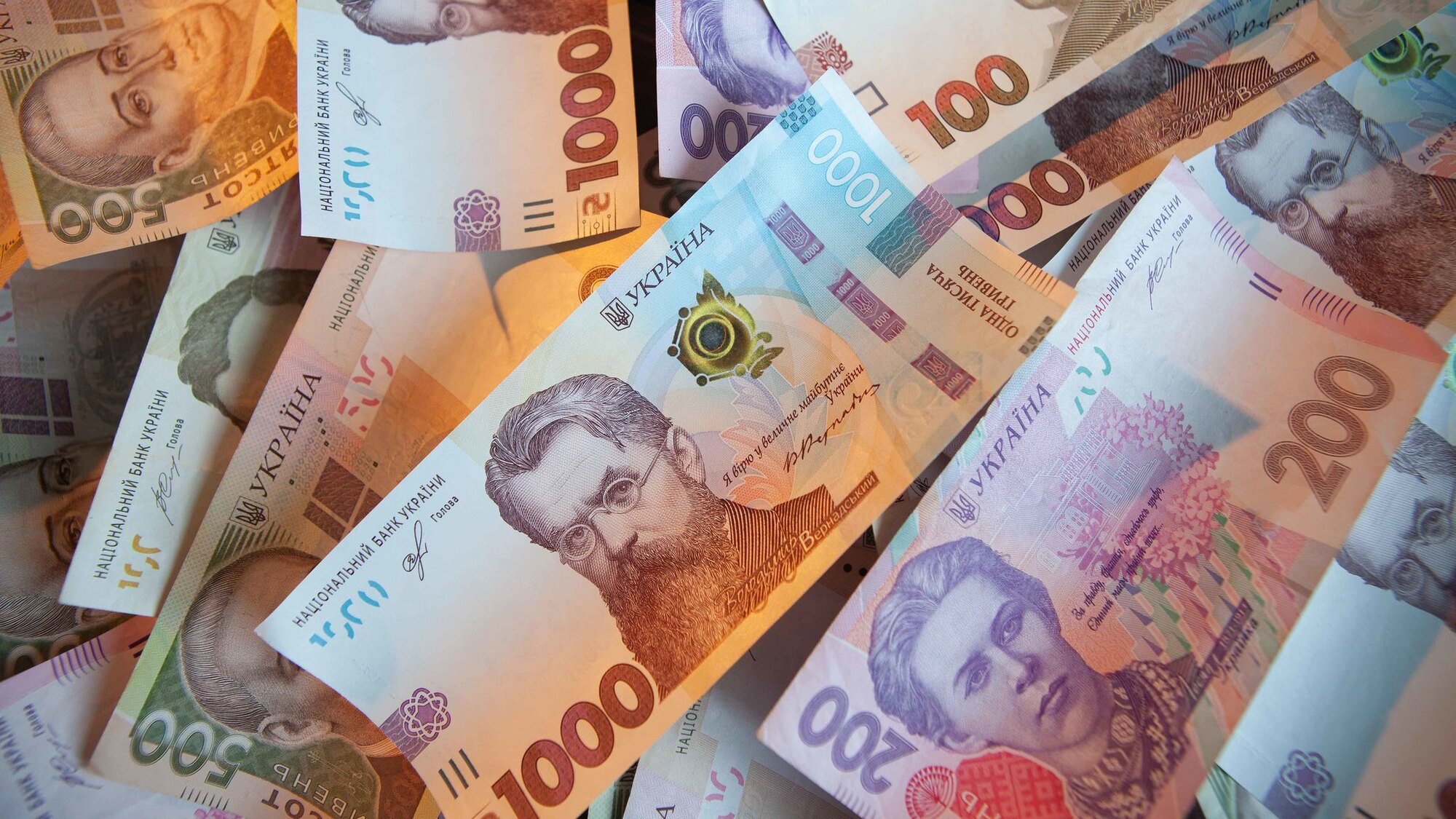
The authorities announced several one-off support programs for the population: 1,500 UAH automatically for some pensioners and social assistance recipients and a cashback on fuel mechanism for consumers of diesel, gasoline and automotive gas. The initiatives are intended to ease pressure on households from rising living costs and fuel supply problems after destabilisation in the Middle East.
What people will receive and when
According to the president, a top-up of 1,500 UAH will be credited to at least 13 million Ukrainians — pensioners and people receiving social assistance. Payments are planned to be made automatically and without additional bureaucracy in April; the Ministry of Social Policy is to prepare the payment mechanics.
"Such a top-up will be received by at least 13 million Ukrainians, its amount will be 1,500 UAH. The funds should reach people without any bureaucracy and will be credited automatically to those whose income level means that support is needed."
— Volodymyr Zelensky, President of Ukraine
Fuel cashback: how it will work and why
A separate programme was announced to compensate part of the expenses for diesel, gasoline and autogas. The mechanism foresees reimbursement of part of costs through a cashback system — details have been tasked to Prime Minister Yuliia Svyrydenko. This is a response to disruptions in fuel supply chains caused by the war in the Middle East and the related risk of fuel price increases, which hit logistics and small businesses.
Budget context and possible trade-offs
The decision comes against the backdrop of significant pressure on public finances: in the 2026 state budget the cap for the deficit was increased to 1.9 trillion UAH (18.5% of GDP). At the same time, the document includes increases in social standards — a minimum salary to 8,647 UAH, a subsistence minimum to 3,209 UAH, and a minimum pension to 2,595 UAH. Last year’s "Winter Support" of 1,000 UAH was also criticised for its targeting and effectiveness — an important lesson for the new programmes.
What it means for citizens and the state
For households, this is a temporary easing of costs and a signal that the authorities are responding to rising prices and energy risks. For the budget, it is an additional burden and a need for clear targeting so that aid actually reaches those who need it most.
The expert community emphasises that the payment mechanics and expenditure control will determine whether this becomes an effective tool of social stabilisation rather than just a one-off political gesture. The next steps are publication of the rules by the Ministry of Social Policy and an assessment of the budgetary impact by the Ministry of Finance.
Conclusion
Top-ups and cashback are prompt measures to mitigate pressure on people and businesses. But the practical question remains: will the announcements turn into well-planned programmes with transparent rules and controlled budgetary spending? The answer depends on the detail of the mechanics and the timeliness of their implementation.