2025: Donations to funds rose, transfers to Monobank declined
In 2025, transfers to monobank's "banks" fell by 19%, while the three largest charitable funds received a record UAH 105.87 billion — 37% more than in the previous three years combined.

By Tetiana Suchkova-Ladik
December 5, 2025 · 2 min read
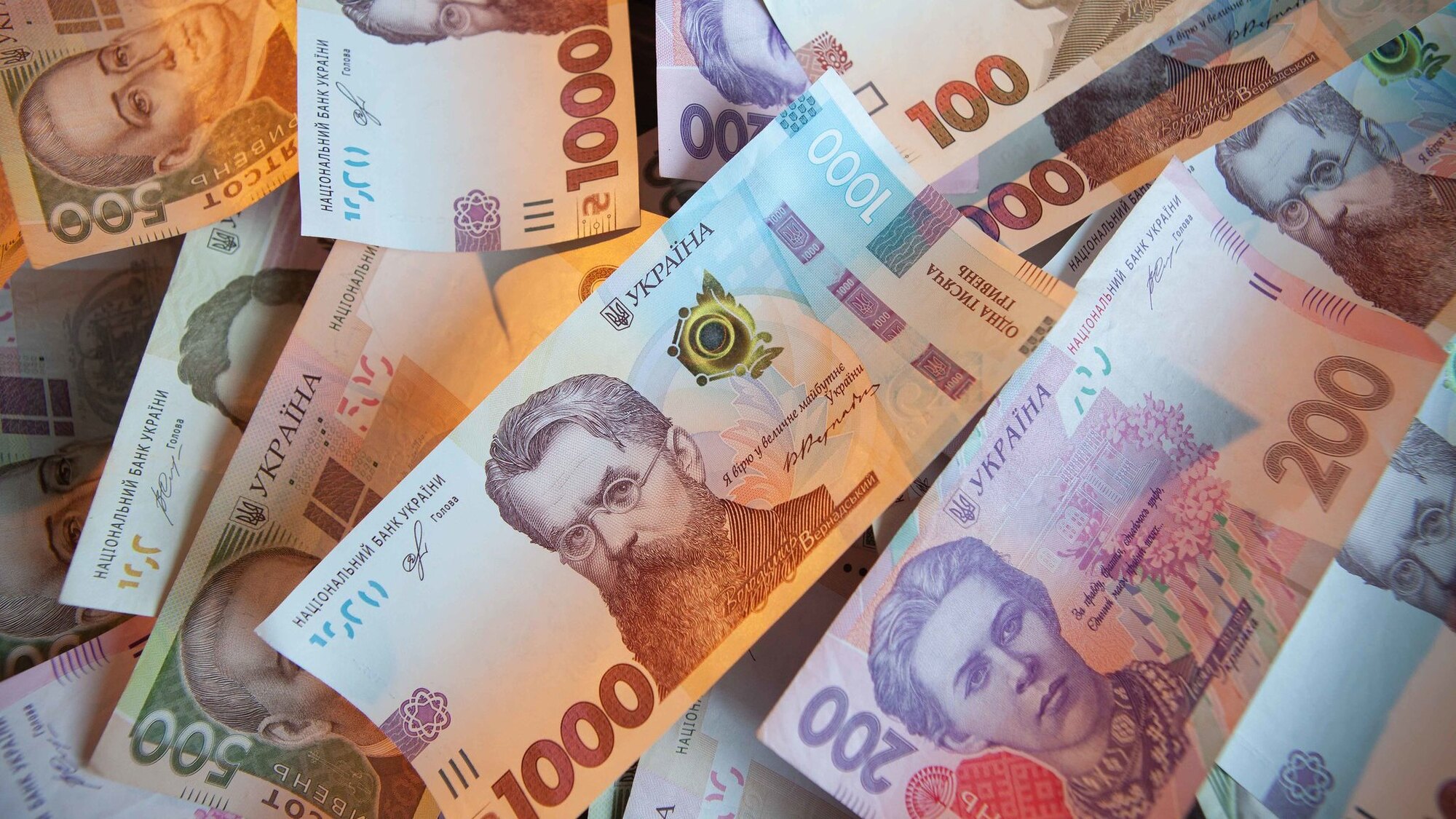
In 2025 Ukrainians transferred less money to monobank "banks", while the total receipts of charitable foundations grew noticeably.
Changes in donation channels
Compared with the previous year, the amount of donations to "banks" fell by 19%. At the same time, funds received one third more money than in the three previous years combined.
In 2025 the situation changed. Over the year the amount of donations to banks decreased by 19%, while funds collected one third more than in the three previous years combined
– Opendatabot
In the first 11 months of 2025, 32.47 billion UAH were transferred to monobank "banks", averaging about 2.95 billion UAH per month.
Each month 1.8 million people transfer money to volunteer "banks". The average donation amount has slightly decreased this year: 392 UAH versus 413 UAH last year. The trend toward smaller donations is likely related to a 14% increase in the number of auxiliary "banks". Thus, this year roughly 169,000 "banks" are opened per month. At the same time, more and more campaigns are being created by the same people: 136,000 "bank" owners per month versus 116,000 last year
– Opendatabot
Record inflows to three funds
The three largest charitable organizations — United24, Come Back Alive and the Prytula Foundation — received 105.87 billion UAH in 2025. That is 37% more than the combined total for the previous three years. United24 accounts for 73% of that sum, or about 77.7 billion UAH; roughly 1% of these funds were directed to humanitarian needs, the rest to supplying the Armed Forces.
Come Back Alive raised 26.2 billion UAH, which is 4.4 times the amount collected in all of 2022. The Prytula Foundation received 1.97 billion UAH, while the total annual donations to these funds increased by approximately 25%.
Volunteer movement and challenges
According to the tax registry at year-end, there are 11,792 volunteers — 11% more than a year earlier. During the current year 136 people were removed from the list.
We cannot say that the overall level of donations has fallen; however, we note a certain redistribution. Compared even with 2022, when people donated to large, trusted funds, today almost every family has a father, son, husband, brother, etc., who is directly serving in the military. Accordingly, instead of sending a donation to a fund, relatives understandably first cover the needs of a specific servicemember
– Come Back Alive
The foundation's statement also noted that the country's economic situation remains an additional challenge for fundraising.
- International Volunteer Day for Economic and Social Development is observed on December 5.