$33 Billion on Volatility: How Wall Street Banks Earn More When the World Gets Worse
JPMorgan, Goldman Sachs, Citigroup, and Wells Fargo posted record quarterly profits — and not despite geopolitical turmoil, but because of it. This is not a paradox, but a business model.

By Tetiana Suchkova-Ladik
April 15, 2026 · 2 min read
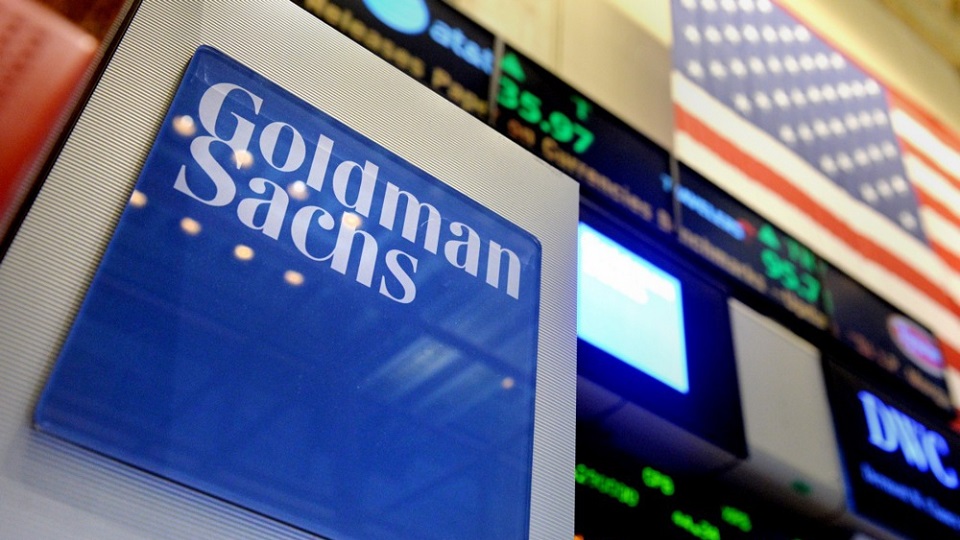
When markets fall and investors panic — the trading divisions of large banks harvest profits. The first quarter of 2025 confirmed this with record figures: four largest American banks — JPMorgan Chase, Citigroup, Wells Fargo and Goldman Sachs — earned combined net profit of over $33 billion.
How the machine works
The main engine of the record — not lending and not investment banking, but trading. Volatility in stock, commodity and bond markets, caused by geopolitical shocks and tariff wars, gave bank traders exactly what they need: sharp movements in both directions and large transaction volumes from clients shifting risks.
JPMorgan set a record for equity trading income, Goldman Sachs showed growth of this indicator by 27%. Morgan Stanley recorded a 45% surge in equity trading income.
Wells Fargo received profit growth of 11% to $7.4 billion with revenue of $27.51 billion, while fixed income trading revenues reached $3.5 billion — above expectations.
The paradox that isn't
It would seem that shock is risk. In reality, for bank trading, shock is opportunity. The more market participants are forced to urgently buy or sell, the more the bank earns as an intermediary. Geopolitical instability, tariff uncertainty and fluctuations in interest rate expectations in the first quarter combined into an ideal combination.
"The volatile backdrop led to more subdued activity in investment banking relative to levels we expected at the beginning of the year."
David Solomon, CEO of Goldman Sachs, on a quarterly call with analysts
This is an important detail: investment banking slumped. Companies are postponing IPOs and M&A deals when the future is uncertain. Growth came exclusively from trading — that is, from redistribution of money between market participants, not from financing new projects.
Record with caveats
Bank executives celebrated publicly with caution. JPMorgan CEO Jamie Dimon said he expects recession and rising defaults against the backdrop of the tariff war. His forecast became the most straightforward public signal from Wall Street that the trade war has already triggered a prolonged global crisis.
Dimon himself warned of "significant turbulence" in the American economy — and this against the backdrop of his own record quarter. The internal contradiction is obvious: the bank thrives in conditions that its CEO calls dangerous.
- JPMorgan: net profit of $16.5 billion — a record for the bank
- Citigroup: profit rose 42% to $5.8 billion, stock reached a 20-year high
- Goldman Sachs: revenue rose 10% to $10.71 billion
- Wells Fargo: profit of $7.4 billion with revenue of $27.51 billion
What's next
The second quarter will show whether this model is sustainable. Volatility gave banks a rare simultaneous growth across forex, bond, commodity and equity trading divisions — such coincidences happen rarely. If geopolitical tensions ease or markets stabilize, trading income will return to average levels — and then it will become clear how dependent banks are on chaos as a source of profit.
If defaults, which Dimon warns about, really do begin to rise in the second half — will credit losses offset the trading records of the first quarter?