40 Years Later: Kyiv to Pay 53 Million Hryvnia to Chornobyl Victims, but Average Aid Per Person Less Than 1,300 Hryvnia
KMDA announced one-time payments to 42,000 victims of the Chornobyl disaster. Simple arithmetic: 53 million hryvnias for 42 thousand people — that's approximately 1,260 hryvnias per person on average.

By Tetiana Suchkova-Ladik
April 15, 2026 · 2 min read
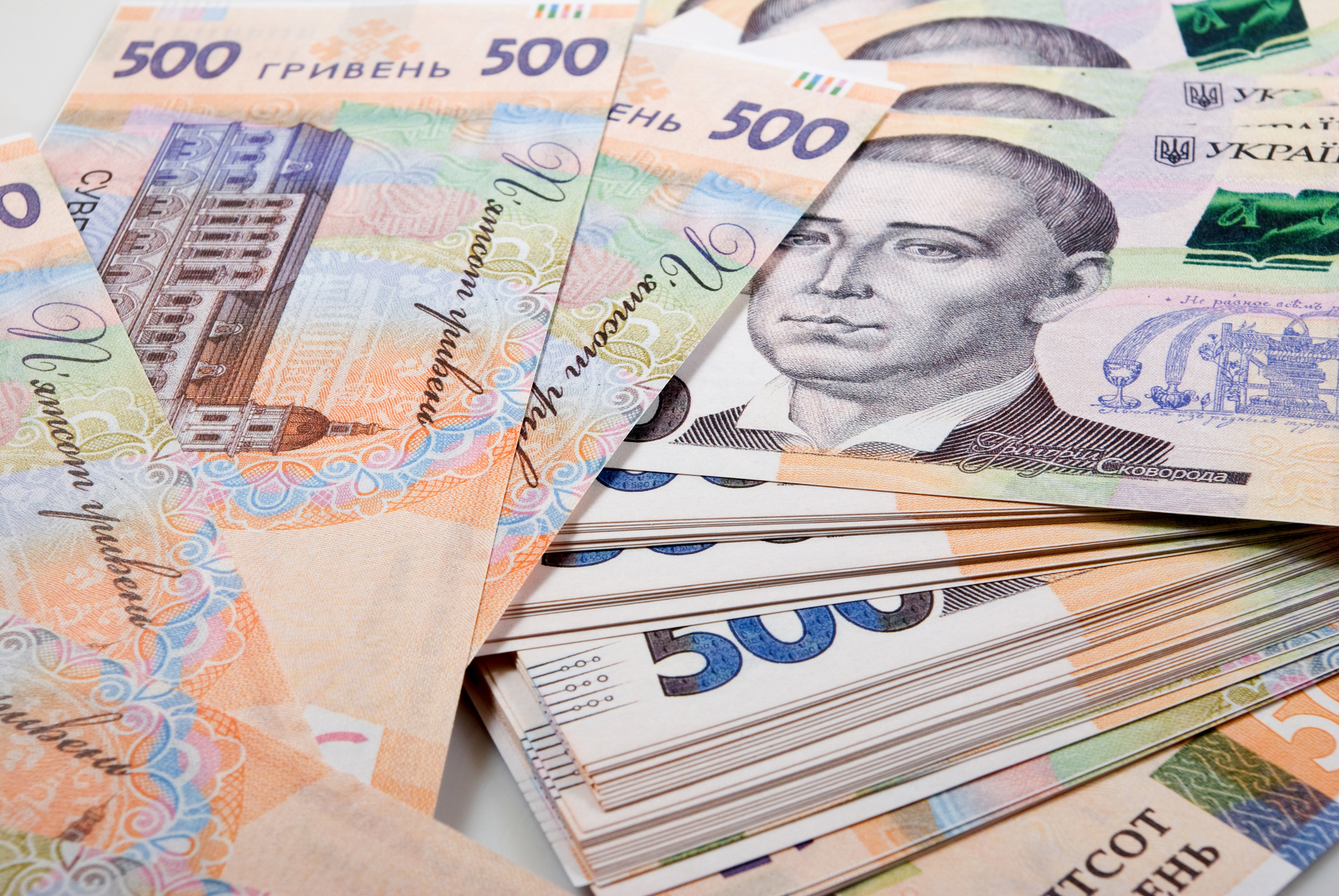
On April 26, it will be 40 years since the Chornobyl nuclear power plant disaster. For this date, the Kyiv City State Administration announced a one-time targeted material assistance payment — 53 million hryvnias for 42,000 Kyiv residents who suffered as a result of the catastrophe.
The amount looks significant. But if you divide it by the number of recipients, the average payment is about 1,260 hryvnias — slightly less than half the subsistence minimum for non-working persons, which in 2026 amounts to 2,595 hryvnias.
Who will receive and how much
According to the Department of Social and Veterans Policy of KMDA, assistance will be calculated for several categories of victims:
- persons with disabilities of groups I, II, and III related to the Chornobyl catastrophe (category 1 victims);
- persons belonging to category 2 victims of the catastrophe;
- wives or husbands of deceased emergency workers.
Among recipients are both long-time residents of the capital and internally displaced persons who are registered and actually residing in Kyiv. The criterion of dual status was decided in favor of the people.
«If a Kyiv resident belongs to several categories at once, they will receive one payment — in the largest amount»
— Kyiv City State Administration
Symbolism or support
Context matters. Chornobyl victims of the first category — emergency workers with confirmed disability — receive monthly pension payments ranging from 15,000 to 25,000 hryvnias, depending on the disability group. Against this background, a one-time payment of several hundred or thousand hryvnias is primarily symbolic in nature.
At the same time, for widows of emergency workers and category 2 persons, whose monthly state budget supplements are much more modest, even a small amount can be meaningful. According to the Pension Fund, in 2026 the recalculation affected over 25,000 Chornobyl first-category victims throughout Ukraine — the average pension in Kyiv region was around 22,500 hryvnias.
Payments will be made by order of the city mayor as part of the «Care. Towards Kyiv Residents» program. The KMDA did not publish a separate mechanism for public oversight of the targeting of payments or reporting on actual amounts by categories.
The 40th anniversary of the disaster coincides with the third year of full-scale war — when the city's financial priorities are clearly shifted. A practical question: if there is no anniversary occasion next year, will these payments remain in the «Care» program budget — or will they disappear along with the date?