4.46 million Ukrainians receive cashback for February — and already under new rules
# Translation Starting April 7, the Ministry of Economy is paying national cashback for February to over four million people, but remains silent about the total amount. Meanwhile, since March, the program has switched to differentiated 5% and 15% rates instead of the uniform 10% — depending on how much a particular category of goods competes with imports.

By Tetiana Suchkova-Ladik
April 7, 2026 · 2 min read
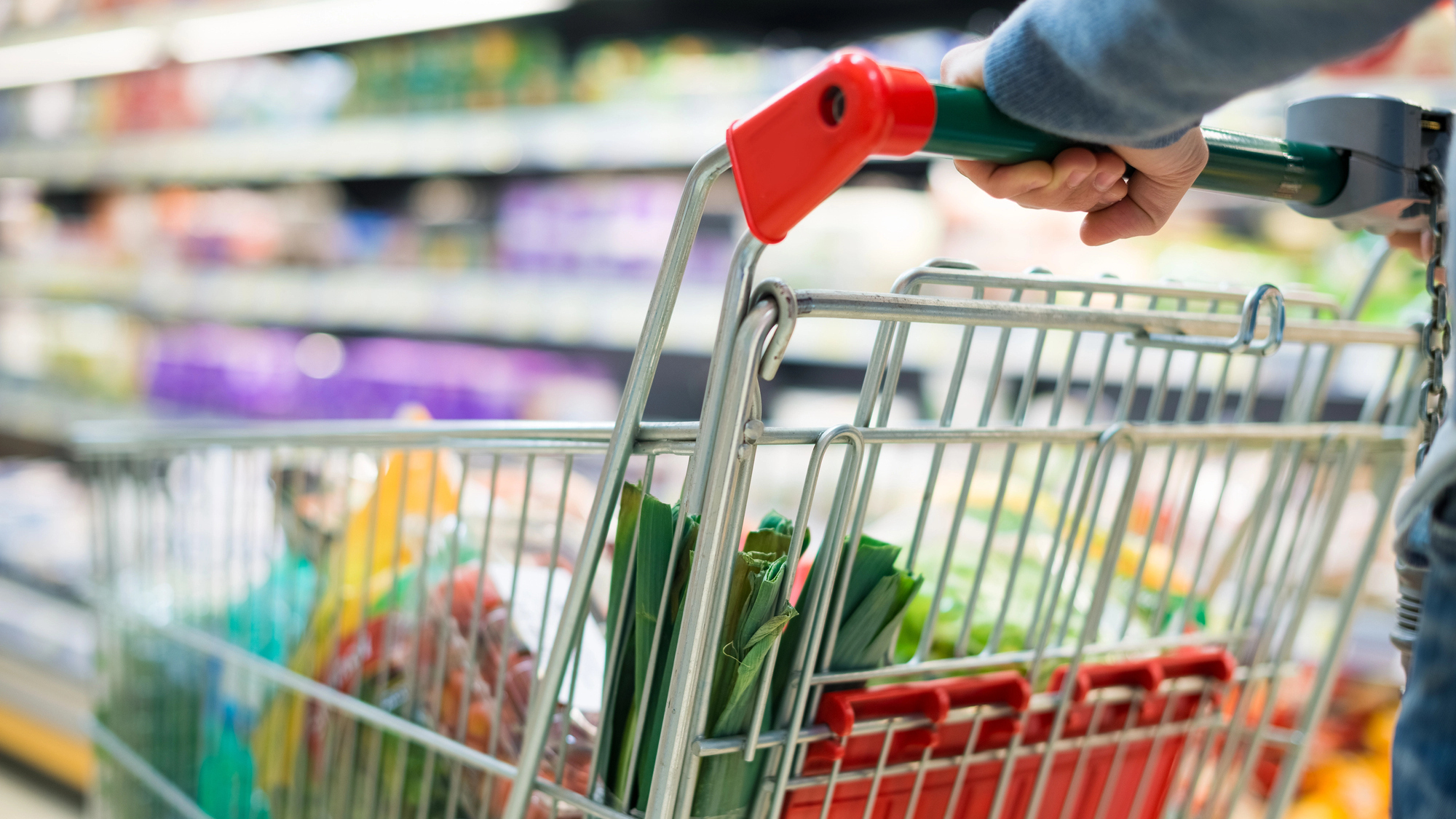
On April 7, the Ministry of Economy began paying out the "National Cashback" for February. 4.46 million citizens will receive funds to their cards — some of them will also receive the January accrual, which required additional coordination with banks.
The ministry did not disclose the total amount of February payments. For comparison: in December, Ukrainians were credited with a record 699 million hryvnia, which started being paid out in late February. According to the General Staff, since the program began, citizens have purchased goods through national cashback totaling over 67.38 billion hryvnia.
Uniform 10% becomes a thing of the past
While February cashback is being paid out, accruals are already being made under a new scheme. From March 1, 2026, the "National Cashback" program changed its rules: instead of a uniform 10% on all goods, a differentiated model with two levels — 5% or 15% depending on the category — came into effect.
The logic is simple: 15% will be received by buyers in those categories where imports in the consumer basket exceed 35% — clothing, footwear, cosmetics, household chemicals, certain cheeses and pasta. On the rest of Ukrainian goods, where the share of imports is lower, 5% will be credited.
"This approach makes it possible to strengthen support for Ukrainian manufacturers in categories where they face aggressive imports"
— Deputy Minister of Economy Oleksiy Soboliev
What actually changes for people
The concrete impact depends on shopping habits. Those who buy mostly clothing or footwear from Ukrainian manufacturers — benefit: they will receive more than before. Those focused on products or medicines with a lower share of imports — will receive half of the previous standard.
At the same time, spending restrictions introduced back in November 2025 to synchronize with the "Winter Support" program remain in place: unavailable are mobile communications, transport, entertainment, cinema, sports facilities.
Skeptics exist even in parliament
The program remains a subject of controversy. Investment banker Sergiy Fursa publicly called national cashback a "populist initiative that actually has no effect," considering the differentiation of payments a cosmetic change that does not address the core problem.
The chair of the parliamentary committee on financial and tax policy Danylo Hetmantsev, in turn, criticized the Cabinet for inconsistency: the government declares compliance with IMF requirements, but at the same time expands the "ineffective national cashback program" by introducing differentiated payments.
According to a survey by the Institute for Economic Research and Policy Consulting, one in five businesses felt a positive effect from the program. At the same time, 41.9% of enterprises stated that the program had no impact on their activities.
National cashback is active until May 2026, and funds from cards must be spent by June 30. If during this time the program does not show a measurable shift in consumer preference from imports to domestic producers — arguments in favor of its extension will be substantially weakened.