US$45 billion in security assistance in 2025: a record that outstrips the logic of war and industry
Support has increased by roughly 30% compared with 2024. We break down where the money went and why this is shifting the balance of power — not only on the battlefield, but also in Ukraine's weapons production.

By Tetiana Suchkova-Ladik
January 2, 2026 · 2 min read
Record figures: what happened
In 2025 Ukraine received more than $45 billion in international security assistance — the highest amount since the start of the full‑scale invasion. The government reported the aggregate figures, and the growth is estimated at nearly +30% compared to 2024.
Where the funds went
According to official statements, the main funding directions were as follows:
• Weapons and ammunition — the key priority to support the frontline's operational capability.
• Air defense and missile‑defense systems — investments in air and missile defense that reduce the risk of targeted strikes against critical infrastructure.
• Defense‑industrial development — more than $6 billion directed at strengthening the defense‑industrial complex, in particular within the framework of the so‑called “Danish model” of cooperation.
• Training, repairs, technical support and logistics — a long‑term foundation for maintaining equipment and training personnel.
The government separately notes that almost $3 billion came from profits on frozen Russian assets in the EU and the UK — these funds were purposefully used for procurement and industry development.
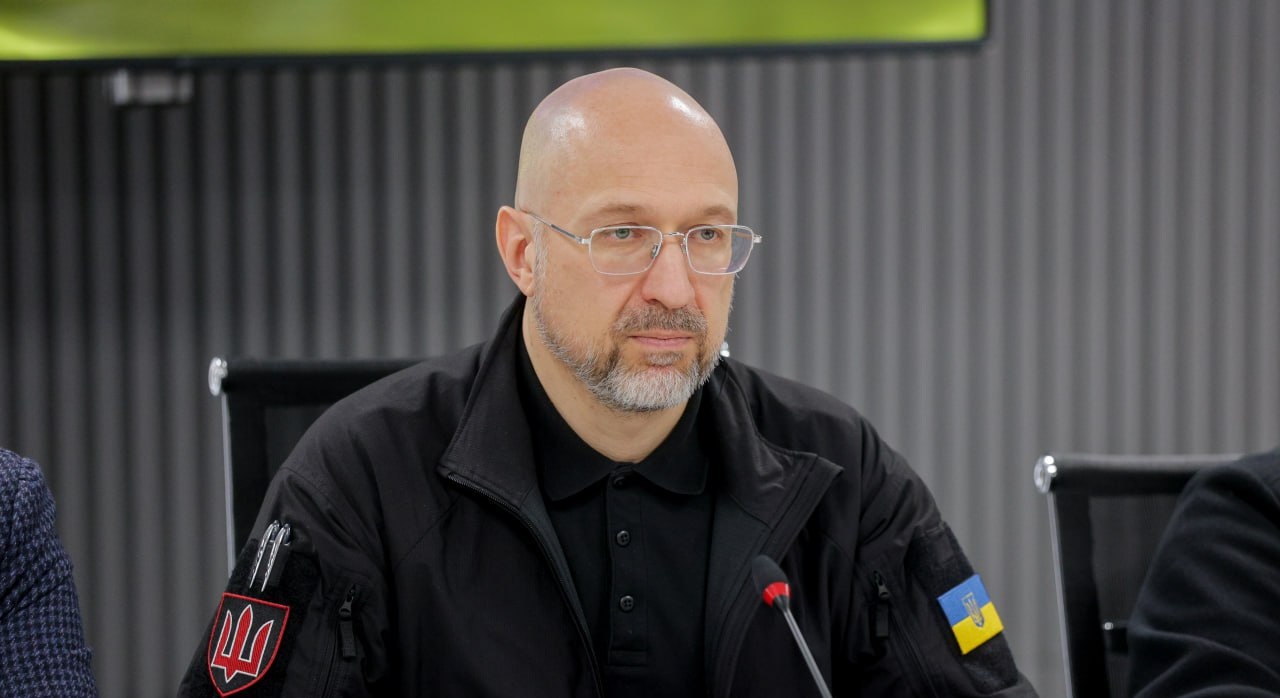
"International support for Ukraine is becoming long‑term and systemic. This is the guarantee of deterring Russian aggression, strengthening our defence capability and ensuring a just peace in Europe."
— Denys Shmyhal, Prime Minister
Why this matters
The figures are not just about money, but about a change in the nature of assistance. Moving from sporadic tranches to systemic investments, partners are effectively agreeing to two things: first, that critical infrastructure and air defenses must be a priority; second, that investment should go into Ukrainian industry, not just one‑off deliveries.
This approach delivers practical benefits: faster equipment recovery, localization of production, reduced dependence on imports, and greater strategic resilience in negotiations with donors.
State support for the defense industry: leasing at 5%
At the end of December the Cabinet approved a state support program for arms manufacturers in leasing agreements — effectively manufacturers will pay about 5% per annum, with the state covering the rest. This removes the financial barrier for large‑scale local production projects and amplifies the multiplier effect of external injections.
What's next — risks and impact
Positive trends do not guarantee automatic victory: key risks include a slowdown in transfers due to political cycles in donor countries, possible legal complications in the distribution of profits from frozen assets, and logistical bottlenecks in the Ukrainian defense industry. However, if international aid remains systemic, Ukraine will gain not only a short‑term ammunition advantage but also a long‑term industrial base for restoring defence capability.
Conclusion
$45 billion in 2025 is not just a record. It's a signal: partners are ready to invest in resilience and institutions, not only in one‑off support. Now Ukraine's task is to convert these funds into lasting results: production, repair, training, and an effective logistics system that will lift the country to a new level of defence capability.