4.8 million Ukrainians will receive cashback for March: for the first time — at three rates and including fuel
From May 7, the Ministry of Economy launches payments for the National Cashback for March. For the first time, a differentiated model for goods and a new fuel cashback will operate simultaneously — 15% for diesel, 10% for gasoline, 5% for autogas.

By Tetiana Suchkova-Ladik
May 7, 2026 · 2 min read
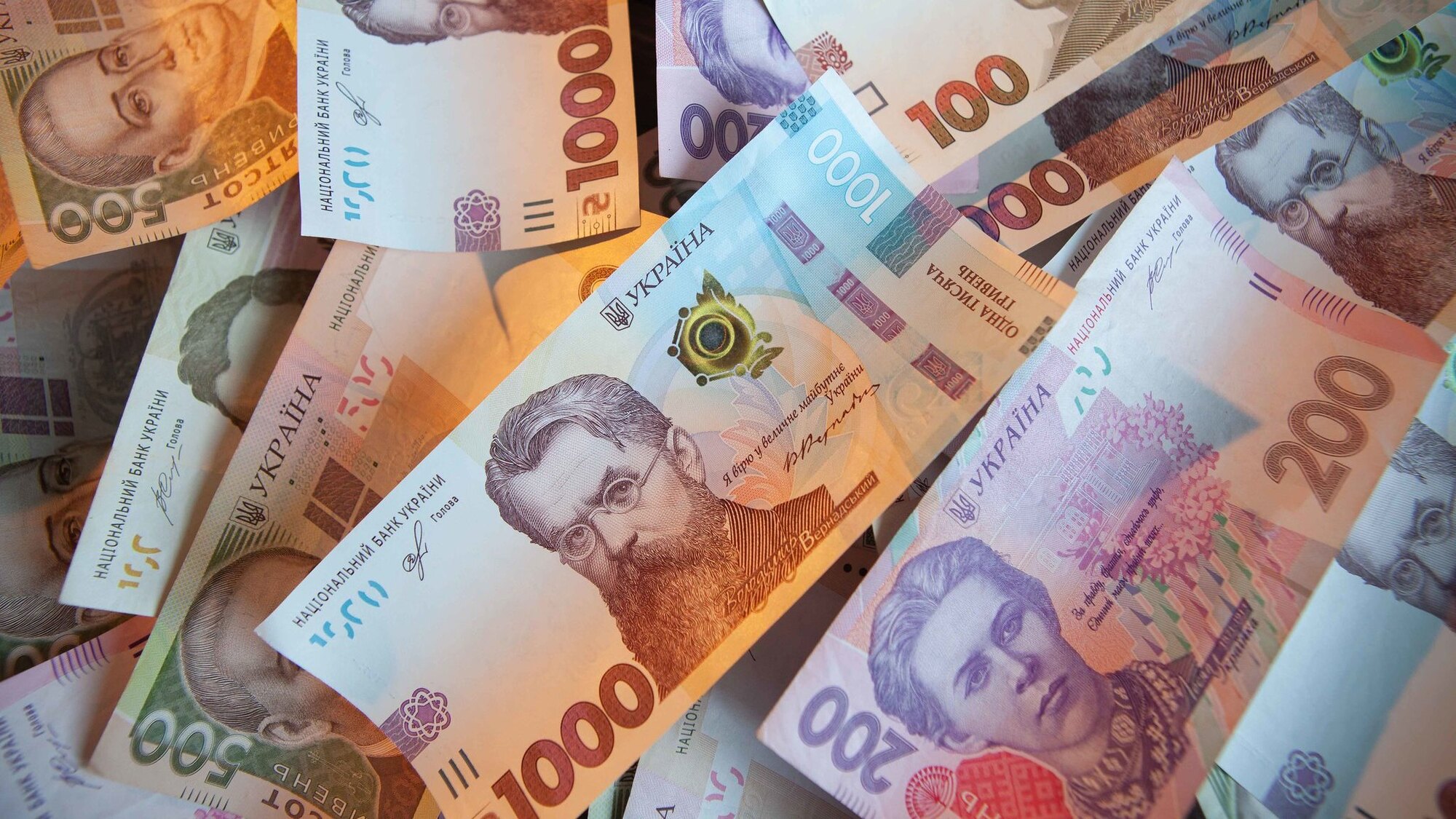
From May 7, almost 4.8 million Ukrainians will receive National Cashback payments for March. This is the first payout where two new mechanisms operate simultaneously — differentiated rates for goods and fuel cashback, launched on March 20.
How the percentage is now calculated
Until March, the program returned a single rate regardless of what the user purchased. Now the logic is different: the percentage is tied to the import share in the category. 15% is returned for goods where imports account for 35% or more — cosmetics, household chemicals, some clothing. 5% — for categories with predominantly Ukrainian production: meat, dairy products, vegetables, confectionery.
The logic is transparent: the state stimulates purchases of domestic goods not through prohibition, but through a difference in payments. However, an average user cannot verify what import share is in a specific category and who conducted this analysis — the Ministry of Economy did not publicly detail the methodology.
Fuel cashback: who and how much will receive
Fuel payments will be received by over 2 million Ukrainians — those who refueled at gas stations participating in the program after March 20 and paid directly at the checkout, not through an app. Rates: 15% — for diesel, 10% — for gasoline, 5% — for autogas. Maximum compensation for March — 1,000 hryvnia.
The fuel cashback program is temporary. It was launched amid a noticeable increase in fuel prices and was officially limited to May 31.
Ministry of Economy
Starting from June, conditions change: the maximum payment for May fuel will be only 500 hryvnia.
What this means for the program overall
National Cashback is gradually becoming more complex: single rate → differentiated rate → fuel supplement with separate logic. This makes the program more flexible, but at the same time less clear for users. Part of the 4.8 million participants will receive different amounts for similar expenses — depending on which categories and where exactly they shopped.
- Payments start May 7 — via card in the "Diia" app
- Fuel cashback is active until May 31 inclusive
- Maximum for fuel in March — 1,000 hryvnia, in May — already 500 hryvnia
- List of participating gas stations and product categories — on the official program website
If the state is halving the fuel cashback ceiling already in the first month, here's an interesting question: will the program be preserved after May 31 in any form — or will it quietly close without a separate announcement?