51.77 UAH per euro: hryvnia hits another record — and business is already factoring in 54
The National Bank of Ukraine set the official euro exchange rate on April 20 at 51.7667 hryvnia—a new historical maximum. Over the past week, the euro has appreciated by nearly one hryvnia, and this is not a temporary spike: businesses are already looking at the 54-hryvnia mark in their forecasts.

By Tetiana Suchkova-Ladik
April 17, 2026 · 2 min read
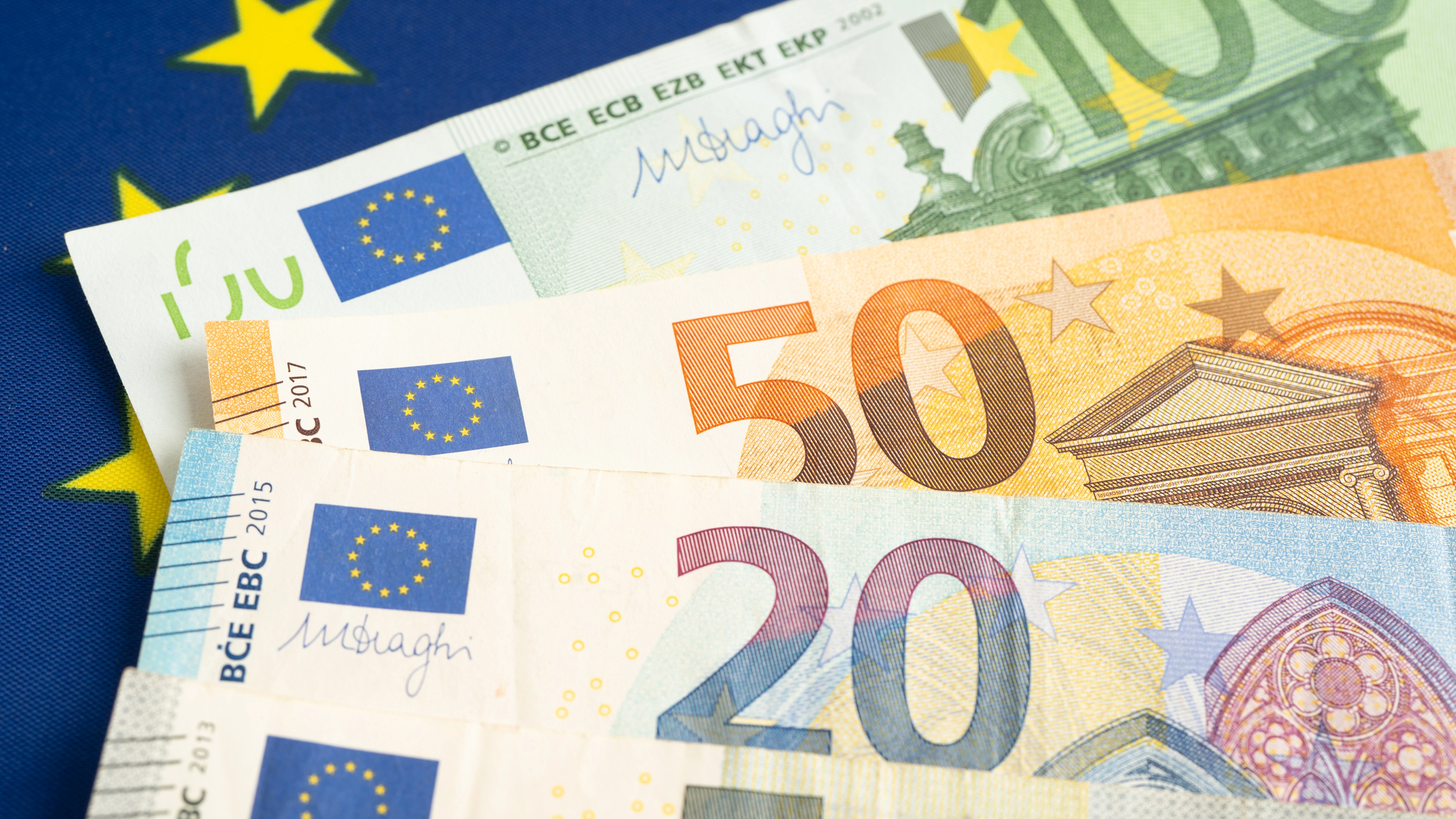
Every Monday, the National Bank publishes new official exchange rates — and this Monday became another record low for the hryvnia. 51.7667 UAH per euro — 35 kopiykas more than on Friday, and almost one hryvnia more than a week ago: on April 15, the NBU set the rate at 51.32 UAH/€ for the first time in history.
Why the euro is rising
The direct cause is not domestic but global. The dollar is weakening on world markets due to trade wars, growing US debt, and geopolitical uncertainty, while the euro accordingly strengthens against it. Since the NBU pegs the official hryvnia exchange rate to the dollar rather than the euro, fluctuations in the EUR/USD pair automatically "translate" into the hryvnia price of the euro. As Olena Bilan, chief economist at Dragon Capital, explains, the Ukrainian economy is increasingly oriented toward Europe, but traditionally a significant portion of foreign trade settlements — particularly for grain — remain pegged to the dollar, so a direct shift in the benchmark to the euro has not yet occurred.
In parallel, an internal factor is also pressuring the currency: importers are buying foreign currency in advance to protect themselves from further hryvnia depreciation. This creates additional demand that accelerates the movement of the exchange rate.
What business is factoring in
Based on an NBU survey of executives from 664 companies in the first quarter of 2026, the medium-term dollar exchange rate forecast worsened to 45.00 UAH/USD — compared to 44.27 UAH/USD in the previous quarter. For the first time in the survey, a separate line appeared for the euro: the median 12-month forecast is 54.00 UAH/€. That is, entrepreneurs are factoring in an additional nearly 2.5 hryvnias of depreciation from today's record level.
"We are convinced that growing external imbalances will force the NBU to abandon its de facto fixed exchange rate and begin a gradual weakening of the hryvnia"
Analysts at ICU investment company
ICU analysts forecast the dollar rate at the end of 2026 at 44.5 UAH/USD. Their baseline scenario assumes that a new EU credit from frozen Russian assets — approximately 140 billion euros — will become the key source for covering the external deficit and the basis for a new IMF program.
What this means for people
- Imported goods are becoming more expensive — machinery, cars, medicines, and some food products are priced in euros or linked to it.
- Trips to Europe have become more expensive by approximately 5–6% compared to the beginning of the year.
- Euro deposits and savings in euros are protected from this movement, but banks have not yet raised rates proportionally.
- Businesses with euro contracts receive more hryvnias for the same amounts — which is a positive for some exporters.
In its April forecasts, the IMF expects Ukraine's GDP growth of 2% in 2026 and inflation at 6.1% — but warns that a reduction in international aid increases devaluation pressure.
If a new IMF program and credit from frozen Russian assets are officially approved by the end of summer, the NBU will have room to maintain controlled rather than catastrophic hryvnia weakening. If not, the business forecast of 54 UAH/€ may turn out to be not a ceiling but an intermediate stop.