602 amendments, three taken into account: how the "шаг" law became a political test for the Rada
Hundreds of amendments delayed the vote and revealed how painful even a technical change to a national monetary tradition can be. We examine what happened and why it matters to everyone.

By Oleg Bazylewicz
December 29, 2025 · 2 min read
What happened
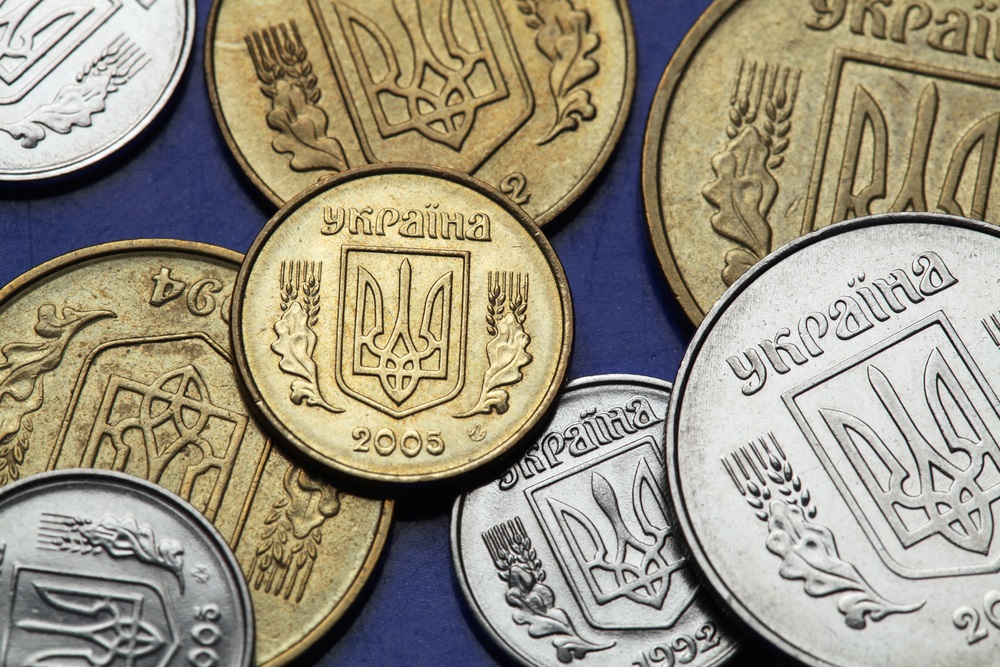
For the bill to rename the kopiyka to the “shah”, deputies submitted 602 amendments. The relevant committee accepted only three of them (and two more editorially). Due to the large number of proposals, the plenary vote was moved to January 13, the explanatory note to the second reading reports.
Details of amendments and political context
The main editorial change — the word “de-Sovietization” was removed from the text, and the law received the official title: “On Amendments to Certain Laws of Ukraine Regarding Bringing the Name of Ukraine’s Small Change Coin into Accordance with the National Monetary Tradition.” Obviously, this is an attempt to avoid political overtones in the wording.
Some of the submitted amendments were clearly unprofessional or purely playful. Among the name options proposed by one of the most active authors of amendments — People’s Deputy Oleksandr Yurchenko (group “Restoration of Ukraine”) — were pivhryvnia, zlatnyk, sribnyk, yarmak, krok, shostak, troyak, hrysh and dozens of other historical and invented variants. This was more a test of political attention than serious legislative work.
Another group of amendments concerned technical aspects: terms for entry into force — from 2.5 to 36 months; options like “after N days following the lifting of martial law” (from 1 to 100 days); and complex combinations of staggered introductions. Some amendments even proposed changing the ratio between the old and the new unit — not 1:1, but from 1:2 to 1:100.
"Because of such a number of amendments, the vote has been postponed to January 13."
— Yaroslav Zheleznyak, People’s Deputy (Holos)
Why this matters for the reader
This is not just a question of a name. The decision affects national symbolism, the logistics of cash circulation, and the costs for the state and the private sector (marking, accounting, change-dispensing machines). In addition, such discussions show how vulnerable legislative initiatives can be to political speculations and tactical delays.
There is institutional support: the idea to restore the name “shah” for small-change coins was first put forward by the National Bank in 2024, and it was supported by the Institute of History, the Institute of Linguistics, and the Ukrainian Institute of National Remembrance. This gives the project legitimacy beyond political rhetoric.
What’s next
The committee accepted only a tiny portion of the amendments; the remainder looks like a way to drag out the process or to test public attention. Now the course of events will depend on whether deputies can quickly filter out the technical and farcical proposals and move to a final vote, or whether the discussion will turn into yet another protracted political squabble.
A question for legislators and the administration: will they turn declarations of support into practical decisions without unnecessary costs and confusion for businesses and citizens?