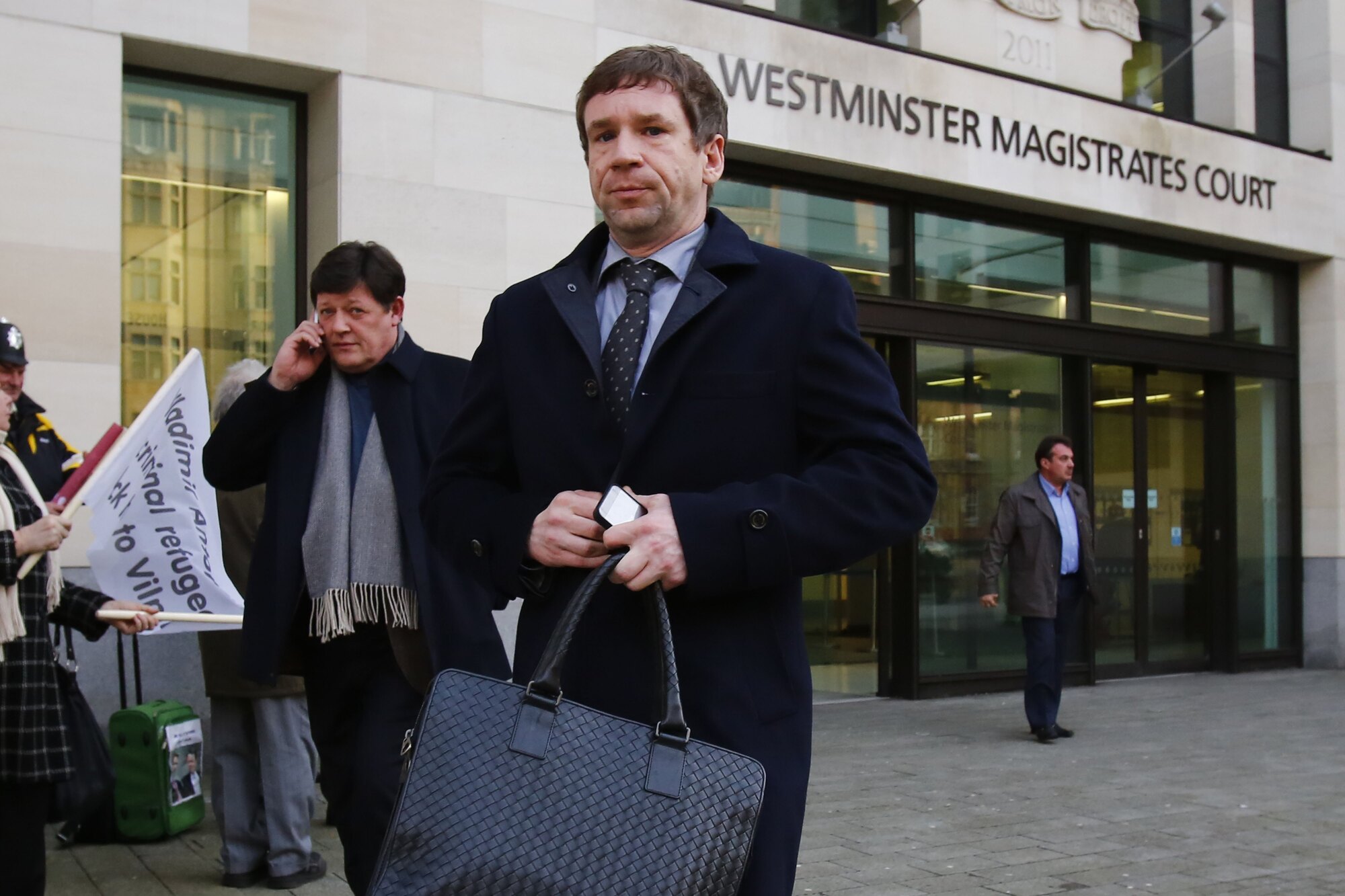
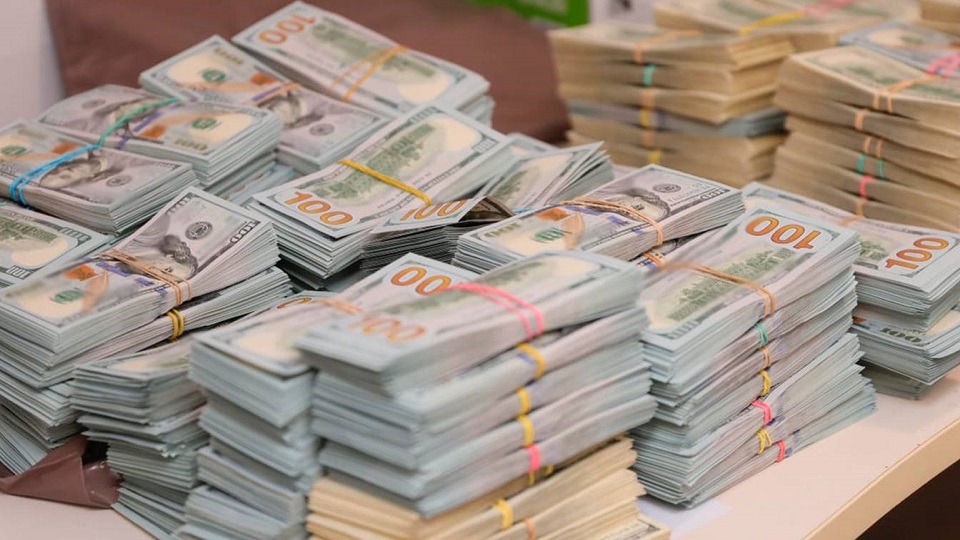
$653,000 in a garage: DBR checks the declaration of the acting head of the State Environmental Inspectorate
The National Agency on Corruption Prevention (NACP) did not believe the official's explanation about his grandmother's inheritance — the case is already with the Office of the Prosecutor General. This is more than a story about money: it is about trust in the declaration system during the war.

By Tetiana Suchkova-Ladik
February 19, 2026 · 2 min read
What happened
The Office of the Prosecutor General has handed materials to the State Bureau of Investigation regarding the declaration of acting head of the State Environmental Inspection Oleksandr Subbotenko. The referral followed a full check by the NACP of the 2024 declaration, which listed $653,000, the origin of which raised serious doubts for the regulators.
"The Office of the Prosecutor General on 3 February 2026 registered a criminal proceeding [...] on the basis of a reasoned conclusion of the NACP, compiled as a result of a full check of the 2024 declaration."
— Office of the Prosecutor General
Official's explanation and NACP's objections
Subbotenko stated that he found the cash in the garage of his deceased grandmother, which he inherited, and that part of the funds were allegedly earned by the family abroad. He also claims that documentary evidence existed but was lost during evacuation from Kharkiv or destroyed.
"I found banknotes in the garage I inherited"
— Oleksandr Subbotenko, acting head of the State Environmental Inspection
The NACP and lawyers who reviewed the materials point to several key facts: according to her employment record book the woman retired as early as 1984, the family's official incomes over the past 20 years do not support the possibility of accumulating such an amount, and the legal regime for foreign-currency operations in the 1940s–1980s made the mass accumulation of dollar cash in Ukraine impossible. The agency's conclusion is that the explanations appear unsubstantiated.
Court and lost evidence
In 2022, the Kominternivskyi District Court in Kharkiv already dismissed Subbotenko's suit to recognise ownership of these funds as an inheritance. The court noted that the money in question could be a "treasure," and also pointed to the absence of evidence of their existence or of their belonging to the grandmother.
"These funds may constitute a treasure... no evidence of the existence of the specified funds has been provided to the court, nor evidence to show that these funds belonged to his grandmother"
— Kominternivskyi District Court of Kharkiv
Why it matters
This story is not only about a single declaration. During a war, when public finances and international support are critical, the transparency of officials is a matter of national security. The presence of large amounts of cash without verification undermines trust in the declaration system and gives grounds for legal consequences.
Additionally, the case comes against the backdrop of non-declaration of other real-estate assets, which oversight bodies have also been recording in recent months — a signal of heightened scrutiny and zero tolerance for violations.
What happens next
The SBI must establish the factual origin of the funds and determine whether this involves illicit enrichment or false declaration. Possible scenarios range from closing the case for lack of evidence to bringing criminal charges. For the public the key question is simple: can the control system ensure an impartial investigation?
Analytical forecast: the verification procedure may take months, but the outcome will affect not only the career of one official — it will serve as an indicator of how anti-corruption agencies perform at a time when trust in institutions is of paramount importance.