90 billion euros for Ukraine: Orbán lost — but veto still stands
Fidesz's defeat in the April 12 elections opened the way to unblocking the EU's largest credit for Ukraine. However, between Maďar's victory and the first tranche, there are still several technical and political steps that could delay payments.

By Tetiana Suchkova-Ladik
April 14, 2026 · 3 min read
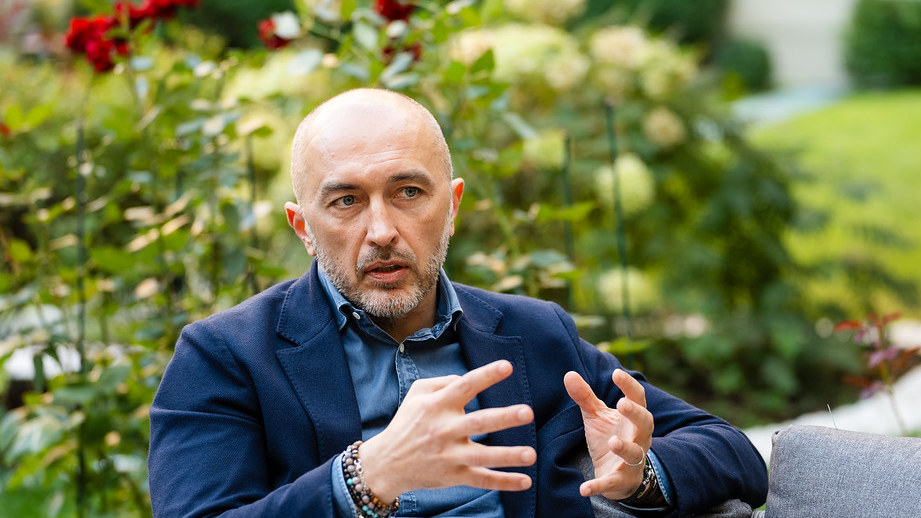
On April 12, the "Tisza" party of Peter Magyar won 69.35% of the vote and 138 out of 199 possible mandates — a constitutional majority. Viktor Orbán, who ruled Hungary for 16 years, conceded defeat: "The result for us is painful and clear." The next day, NBU head Andriy Pyshny congratulated the election results in an interview with Reuters and expressed hope that this would finally resolve the issue of a blocked EU loan of 90 billion euros to Ukraine.
What is the loan and why is it stuck
The loan was approved at the EU summit on December 18, 2025 — it is intended to cover two-thirds of Ukraine's financial needs in 2026–2027. Of the total amount, 30 billion euros is allocated for budget support, 60 billion — for defense and weapons purchases. Hungary, Czechia, and Slovakia immediately withdrew from the project, so it was approved under the "enhanced cooperation" procedure — without their participation in financing.
However, Orbán blocked the disbursement of the package already approved without Budapest. The formal pretext was a dispute over the Druzhba oil pipeline, damaged by a Russian strike. Hungary accused Kyiv of deliberately not resuming oil pumping before the elections; Kyiv rejected the accusations. In March, Orbán directly stated: no EU decision in favor of Ukraine — neither the loan nor the 20th sanctions package against Russia — would be unblocked until Druzhba starts operating.
"The goal of our presidency is to complete the loan package for Ukraine and the 20th sanctions package as soon as possible."
Cyprus EU Presidency, April 13, 2026
Magyar: "I don't understand what we're even talking about"
The newly elected prime minister surprised some commentators with his response at a press conference following his victory. Magyar reminded that Hungary had voluntarily withdrawn from the loan back in December and is technically not the party blocking it. At the same time, he confirmed: Budapest would not obstruct the vote and would not impose a veto — and that is precisely what was lacking for the first tranche. Magyar promised to bring the issue to negotiations with EU leaders.
Berlin responded quickly: Germany's government spokesman stated that Berlin is already "working on" rapidly unblocking the loan and expects the new Hungarian government to be formed "very soon."
How much time Kyiv has
The European Union claims that the first tranche could be released within days of the Hungarian block being lifted. But there are two caveats.
- Technical: Orbán legally remains prime minister until the new government is formed — a process that could take several weeks. Until then, payments are effectively frozen.
- Slovakia: Prime Minister Robert Fico stated that he would block the loan if supplies through the Druzhba pipeline are not resumed. According to RBC-Ukraine analysts' assessment, Fico is a pragmatist and "easier to persuade" than the ideological Orbán, but the risk exists.
Economist at the Center for Economic Strategy Maksym Samolyuk estimates: Kyiv will remain solvent until mid-July — due to funds reserved for year-end. In other words, there is a window, but it is not endless.
Parallel pressure: oil and inflation
Pyshny in the same Reuters interview warned of another risk: the American-Israeli operation against Iran has effectively closed the Strait of Hormuz — about 20% of world's oil passes through it. The price of a barrel has exceeded 100 dollars. According to the NBU's forecast, this could add 1.5 to 2.8 percentage points to Ukraine's inflation over the current 7.9% annual rate. Food, fuel, and utilities are becoming most expensive.
If the first tranche is indeed released by mid-May, the NBU will get a buffer to maintain the exchange rate and interest rates. If not — the regulator will find itself under two pressures simultaneously: rising inflation and currency risks from a delay in external financing.
The question is whether Magyar will manage to form a government and officially lift the Hungarian block before oil-driven inflation and buffer depletion converge at one point — roughly in July.