Banks unite for defense: UAH 21.5 billion for the defense industry under state guarantees
Six Ukrainian banks have issued a three-year syndicated loan of UAH 21.5 billion backed by state guarantees — a sign of the financial sector’s mobilization in support of defense capabilities. We examine where the money will go, why this matters for security and the economy, and what risks remain.

By Tetiana Suchkova-Ladik
December 26, 2025 · 2 min read
What was signed
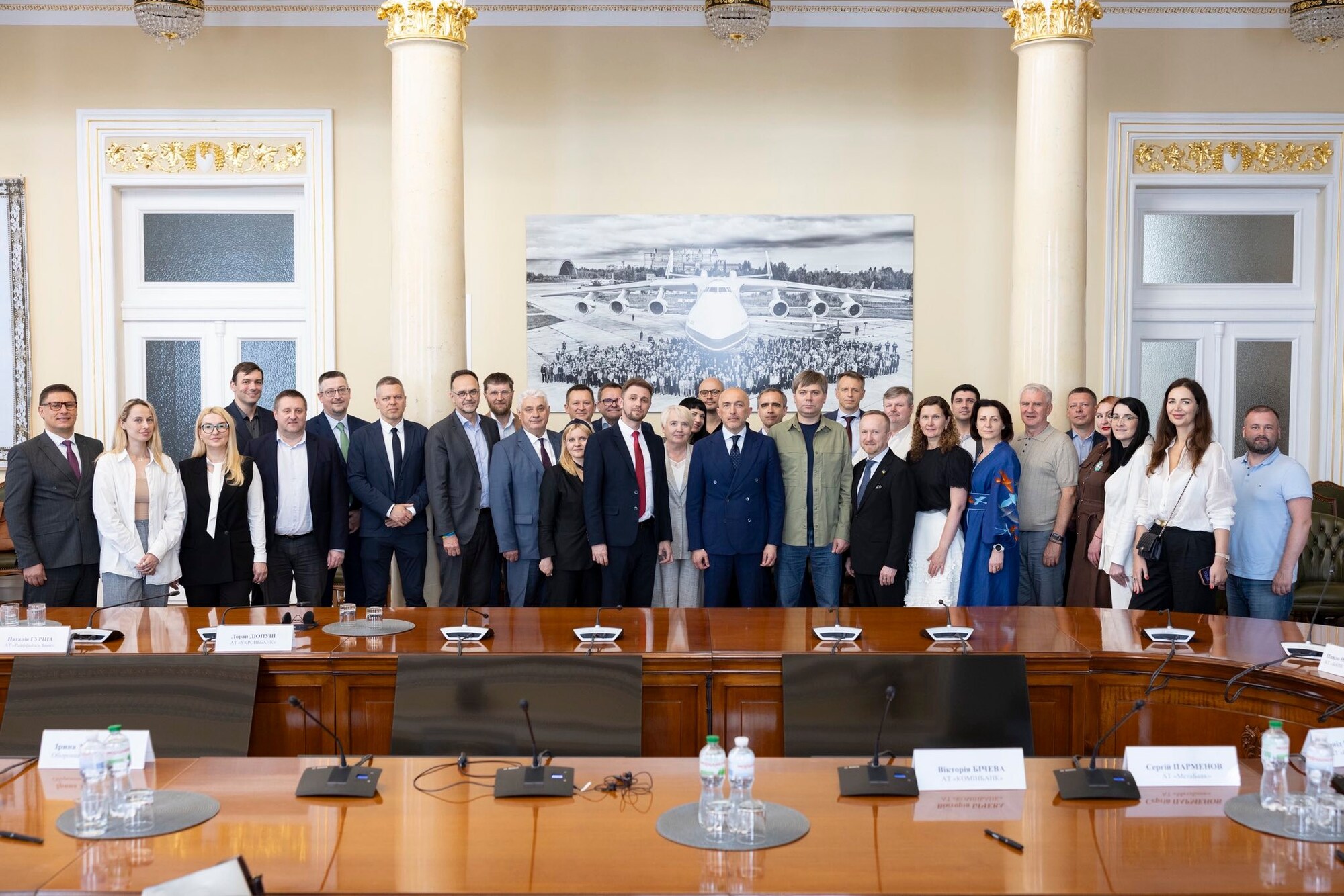
On December 26 six Ukrainian banks joined into a consortium and signed a loan agreement for 21.5 billion UAH with a three-year term under state guarantees. The funds will be directed to the production of military-designated products for one of the enterprises of the defense-industrial complex. The arranging bank is a state financial institution; the consortium brought together state and private players.
"The new consortium project in the defense industry logically continues this practice and demonstrates the ability of former competitors to unite for the strength of the country, and of the financial system to quickly adapt to the state's strategic needs."
— Andriy Pyshnyi, head of the National Bank of Ukraine
Why it matters
In short — this is not just a transaction between banks and an enterprise. It is an instrument to reduce import dependence on weapons and components, and also a signal of trust in the financial sector and the state. When banks take on risk backed by state guarantees, it lowers the cost of capital for the manufacturer and speeds up serial production. In wartime, such mechanisms directly affect how much and what kind of weapons the army will receive in the coming months.
"The scale of the consortium indicates the banks' readiness to support the defense industry and take part in strengthening the country's defense capability. That means more Ukrainian-made weapons for our defenders."
— Denys Shmyhal, Prime Minister of Ukraine
Mechanics and risks
State guarantees reduce credit risks for banks but do not eliminate them entirely — contract execution, control over the use of funds, and delivery schedules remain key. The scheme has several strengths: combining the resources of a state bank and private institutions allows for rapid mobilization of large sums; transparent guarantee terms increase the project's attractiveness to market players. The weak point is the manufacturer's fulfillment of technical and logistical obligations under deadline pressure.
- In 2025 private defense-industrial enterprises have already attracted nearly 5 billion UAH in concessional loans.
- The Ministry of Defense has allowed manufacturers of drones and electronic warfare (EW) systems to include loan interest in the production cost — this lowers barriers to mass production.
What this means for the country and citizens
For security — a larger volume of domestic supplies to the front and less dependence on imports. For the economy — additional jobs in manufacturing and a stimulus for related industries. For taxpayers — in the short term risks are covered by guarantees; in the long term there will be a gain if the products actually enter serial production and strengthen defense capability without a substantial rise in costs.
Short forecast
This agreement is an example of how the financial system and the state can quickly adapt to strategic needs. Going forward it is important to: 1) ensure transparency in the spending of funds; 2) monitor adherence to production schedules; 3) turn financial declarations into real contracts and deliveries. If these conditions are met, the decision could become a catalyst for larger-scale local arms production. The main question — whether we will have not only loan agreements but a real quantity and quality of weapons for the defenders — is what should be watched in the coming months.