Security Service Opens Cases Against Five Airlines Over Scheme Courts Already Ruled Illegal
# Ukraine's Economic Security Bureau Classifies Aircraft Lease Payments as Royalties Despite Legal Exclusions The Bureau of Economic Security is qualifying aircraft lease payments as royalties — despite the Tax Code and court practice explicitly excluding transport from this definition. Airlines including Ukraine International Airlines (MAU), SkyUp, "Roza Vitriv," and other carriers have come under scrutiny.

By Tetiana Suchkova-Ladik
May 25, 2026 · 2 min read
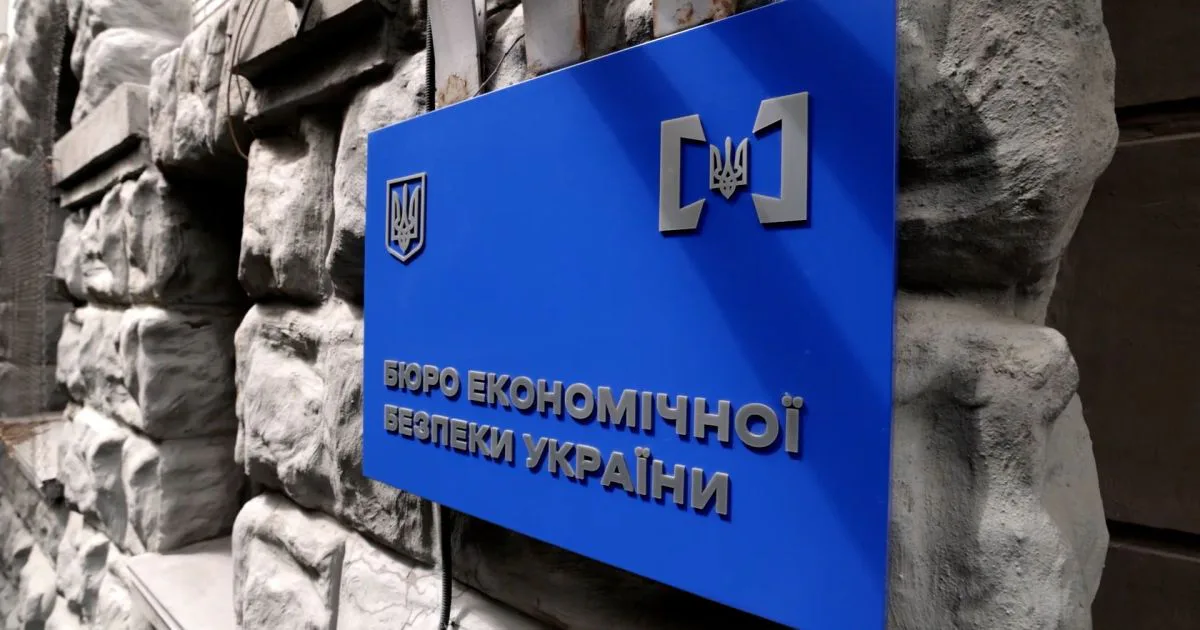
The Bureau of Economic Security has opened criminal proceedings against at least five Ukrainian airlines — including MAU, SkyUp, Rosy Vitry, and Aviacompany Konstanta. All of them lease aircraft from non-residents and pay standard leasing payments. The BES insists that these payments should have been classified as royalties, and therefore the companies were obliged to withhold tax on them in Ukraine.
What is the essence of the claim
Royalties are payments for the use of intellectual property: patents, trademarks, software, know-how. Leasing is the use of tangible assets. An airplane is not a patent.
Despite this, BES investigators in the case against former MAU leadership directly stated in the proceedings materials that aircraft are intellectual property. In the Aviacompany Konstanta case, the investigative version is that the company, in collusion with a non-resident from the UAE during the period from January 1, 2023 to March 31, 2025, improperly applied Article 8 of the Convention between Ukraine and the UAE on the avoidance of double taxation — and thereby failed to withhold tax on leasing payments.
"Law enforcement officials are obligated to take judicial practice into account in their activities"
Rostislav Kravets, lawyer, partner at Kravets and Partners, comment to UNN
Where did this logic come from
The basis for the criminal proceedings was an article by the State Tax Service, published during Tetiana Kirienko's leadership — it interpreted financial leasing operations with aircraft as royalty payments. The BES adopted this position, ignoring both the provisions of the Tax Code and existing judicial practice.
Instead, courts consistently reach the opposite conclusion: the leasing of vehicles cannot be taxed as royalties. This practice is not isolated: it is established and is a mandatory guide for law enforcement.
Scale: not a few companies, but the entire industry
Ukraine's aircraft fleet is almost entirely located abroad. MAU, SkyUp, Rosy Vitry, and other carriers lease aircraft through leasing structures registered mainly in Cyprus, Ireland, and Great Britain — jurisdictions with which Ukraine has concluded conventions on the avoidance of double taxation. These conventions take priority over national legislation.
- If payments are massively reclassified as royalties — airlines' operating costs will increase, and foreign lessors will have grounds to reconsider the terms of cooperation with Ukrainian partners.
- International practice — from Indian to Dutch courts — is unanimous: the presence of an aircraft on the territory of a country does not create permanent representation of the lessor and does not give the state the right to taxation.
- Double taxation of the same payments is a direct violation of conventions signed by Ukraine.
What remains unclear
The BES is conducting proceedings without first establishing a tax violation — that is, criminal prosecution began where there is still no confirmed fact of tax non-payment. According to lawyer Kravets, the grounds for opening cases in this format remain legally unclear.
If at least one of these proceedings reaches court with unchanged charges, the court will have a choice: either confirm the established practice and close the case, or create a precedent that would effectively change the taxation model for all aircraft leasing in Ukraine. Whether the proceedings will be stopped at the pre-trial stage will depend on whether the prosecutor dares to submit cases to court with an argument that courts have already rejected.