State Bureau of Economic Security exposes scheme to sell fuel vouchers — state budget lost over UAH 34.7 million
The scheme operated in Dnipro since 2023: vouchers were bought from legal distributors, sold for cash through a conversion center, and not declared in tax filings. Why this matters for the budget and security during the war — a concise analysis.

By Tetiana Suchkova-Ladik
March 10, 2026 · 2 min read
What the investigation found
The Territorial Office of the State Bureau of Economic Security (BEB) in Kyiv Oblast uncovered an organized scheme to evade taxes through the shadow sale of fuel coupons for gasoline and diesel. According to the investigation, the group operated in the city of Dnipro since 2023 and organized a conversion center through which transactions that were not reflected in tax returns were processed.
How the scheme worked
The suspects purchased coupons from large producers and distributors and then sold them for cash. To cover their tracks they used forged documents under companies in agriculture, construction and cleaning — this made it possible to record non-existent expenses and underreport VAT liabilities.
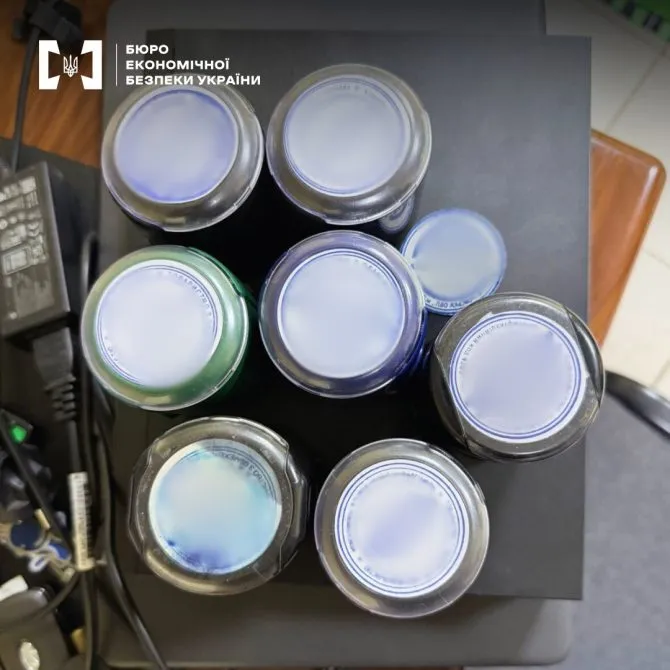
"During the searches, fuel coupons with a volume of over 70,000 liters, cash of almost 1.5 million UAH in national and foreign currencies, as well as financial and business documentation indicating the scale of the operations were seized."
— Press Service of the Territorial Office of the State Bureau of Economic Security in Kyiv Oblast
Consequences for the budget and security
Preliminary data indicate that the volume of shadow operations exceeded 218 million UAH, as a result of which the state budget lost more than 34.7 million UAH. For a country at war, such losses are not just a line in a declaration: these are funds that could have gone to critical needs, including logistics and defense support. Tax analysts and law enforcement stress that such schemes strengthen the shadow economy and create a platform for other criminal risks.
What needs to change
Investigation and asset seizure are the first step. Further systemic solutions are needed: stricter control over fuel supply chains, digitization of coupons and transactions, and strengthened cooperation with banks and market operators. Without these steps, the risk of recurrence will remain high.
Afterword. The uncovered scheme is a reminder that control over resource flows during wartime must not be merely formal. Now it is up to government institutions and business: will they turn the uncovered facts into a sustainable system to counter shadow flows?