Bitcoin and Oil Part Ways Over Iran News
Reports of negotiations for a 45-day ceasefire between the US and Iran crashed oil prices and lifted bitcoin: the market is betting on de-escalation, though Trump simultaneously threatens to bomb civilian infrastructure.

By Oleg Bazylewicz
April 6, 2026 · 2 min read
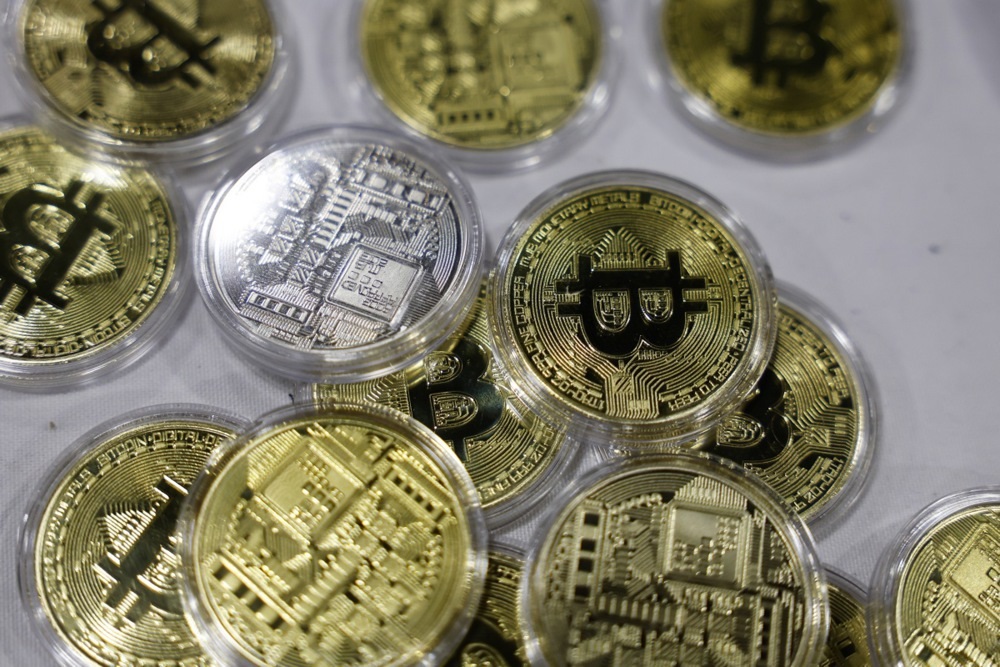
On Monday, August 6, Bitcoin exceeded the $70,000 mark for the first time since March 25. But the price record itself is the less interesting part of the story. What's more intriguing is what triggered the move: the same headlines simultaneously boosted crypto and crashed oil.
Trigger — a single Axios article
According to Axios, the United States, Iran, and regional mediators are discussing terms for a 45-day ceasefire that could mark the beginning of the end of the six-week conflict. This was enough: WTI crude oil futures immediately fell below $103.50 — the market repriced risks to the Strait of Hormuz, through which approximately 20% of global oil supplies pass. Bitcoin moved in the opposite direction.
In parallel, on Monday morning, Trump threatened on Truth Social that Iran would be "living in hell" if the strait didn't reopen, and also announced strikes on power plants starting Tuesday. Markets ignored the threats and reacted to the diplomatic signal.
Mechanics of the move: not enthusiasm, but forced position closures
Bitcoin's surge is largely explained not by an influx of new buyers, but by massive liquidation of short positions. According to CoinDesk, over 12 hours, short positions were liquidated at a ratio of nearly 3 to 1 over long positions. The total liquidation volume over 24 hours was approximately $274 million — $197 million of which were shorts.
"The market was positioned for further decline — and the ceasefire news caught traders on the wrong side"
— analysis of liquidation data from CoinGlass
Ether rose 5.1% against this backdrop, XRP — 3.4%, Solana and Cardano — approximately 3–6% each. The move is broad, but the source is singular: a sharp shift in geopolitical sentiment.
What doesn't fit the optimistic narrative
First, there's no signed document — only negotiations about a framework. Second, Brent crude had been trading above $107 before this following the February closure of the Strait of Hormuz, and analysts at The Kobeissi Letter warned: if prices hold at current levels for a few more weeks, this will significantly accelerate inflation in the US. Third, Bloomberg analyst Mike McGlone maintains his forecast for Bitcoin to fall to $10,000 — if it doesn't hold above $75,000.
The crypto market is currently trading on the probability of de-escalation, not the fact of it. This means that any breakdown in negotiations could just as quickly reverse the move in the opposite direction.
If the 45-day ceasefire is officially announced and the strait remains open — will this be enough for Bitcoin to hold $70,000, or has the market already "priced in" the news ahead of time?