Bitcoin fell 4.4% amid escalation in the Middle East — what it means for donors and the market
A sharp pullback in cryptocurrency undermines the "digital gold" thesis. We explain why investors are taking profits now and what consequences this has for crypto aid flows to Ukraine.

By Tetiana Suchkova-Ladik
March 3, 2026 · 1 min read
Briefly
According to Bloomberg, the price of bitcoin fell by 4.4% — to $66,348, trading around $66,800. On March 3 the market was broadly in the "red" as investors exited risky assets amid concerns about a protracted conflict in the Middle East.
"Bitcoin is cooling off after a powerful rally the previous day that took place on high volumes"
— Pratik Kala, head of analytics at Apollo Crypto
Why it happened
A combination of two factors explains the move: on one hand — geopolitical uncertainty, which pushes investors to seek safer assets; on the other — the market's technical logic. An Apollo Crypto analyst stresses that since the start of February bitcoin has been trading in the $65,000–$70,000 range, so any break outside that band provokes profit-taking.
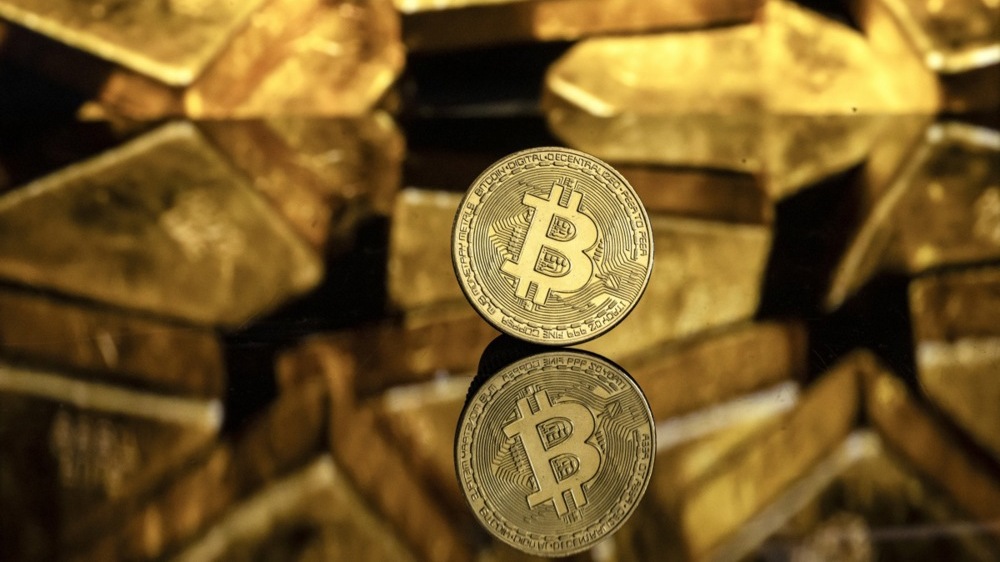
Bloomberg also noted that recent swings undermine the "digital gold" narrative long promoted by crypto proponents: in moments of geopolitical shock bitcoin behaves not as a stable safe haven but as a risky asset.
What it means for Ukraine
For Ukrainian donors and organizations that accept cryptocurrency, volatility has practical implications. Exchange-rate swings affect the size of hryvnia-equivalent receipts and spending plans during the war. That makes hedging mechanisms and quick exchange rails important — so donation flows don't lose purchasing power due to sudden investor outflows.
Short-term takeaway: this is not the end of cryptocurrencies, but a clear reminder — bitcoin has not yet become a universal store of value in conditions of global instability. For the stability of aid it is worth diversifying instruments (including stablecoins and traditional channels).
Outlook
Volatility is expected to persist while geopolitical tension continues. Market participants lock in profits at the slightest moments of uncertainty — so have a plan: how to preserve the value of incoming funds and reduce risks. While the market's focus is on the short term, strategic work on payment infrastructure should become a priority.