Britain predicts: a deal to finance Ukraine could be reached soon
After the London meeting, Keir Starmer, Volodymyr Zelensky and the leaders of France and Germany expressed hope for a swift agreement on a mechanism to use frozen Russian assets to support Ukraine's defence and reconstruction.
By Oleg Bazylewicz
December 9, 2025 · 1 min read
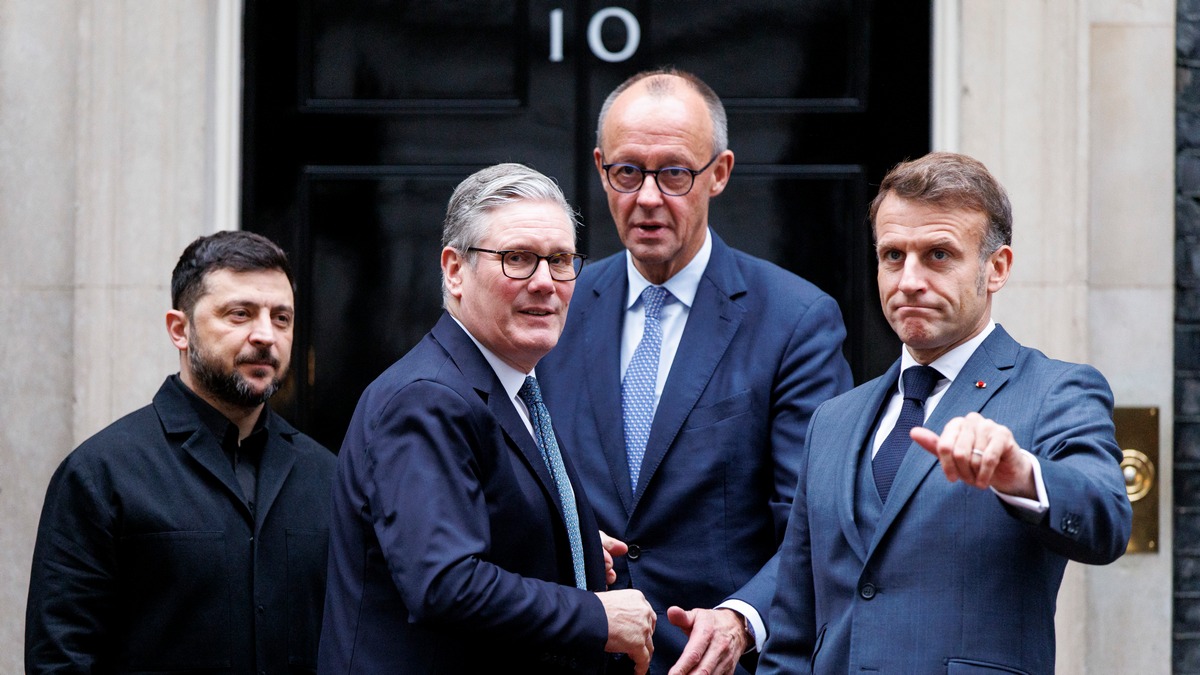
UK Prime Minister Keir Starmer believes that an agreement on financing Ukraine using frozen Russian assets could be reached soon, despite existing obstacles.
Negotiations in London
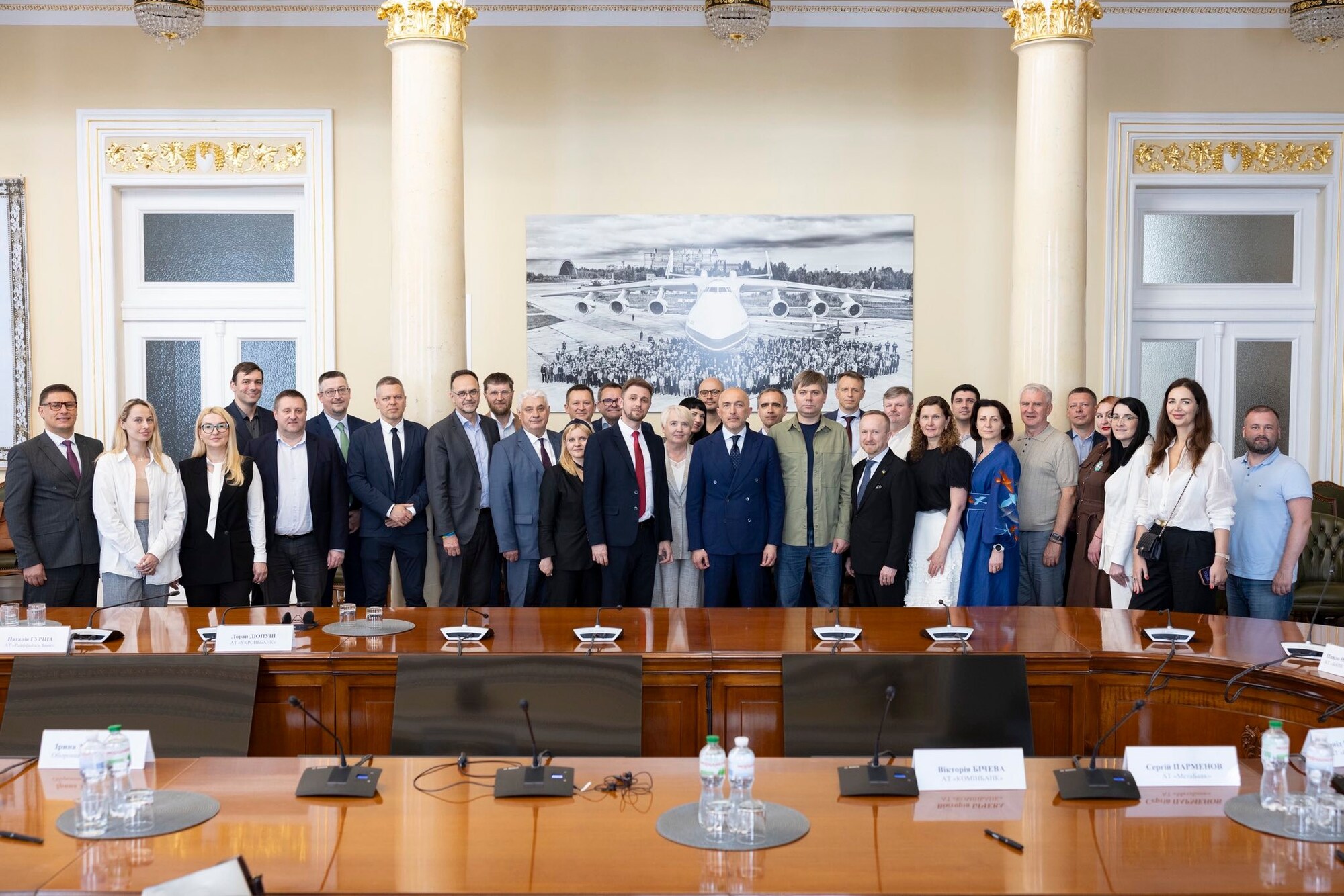
On 8 December Starmer met in London with President Volodymyr Zelensky and the leaders of France and Germany to discuss US peace initiatives and European steps to unlock Russian funds held in European banks.
After the talks, government circles in the UK expressed optimism and suggested that an agreement could emerge this or next week. The total sum is estimated at roughly £100 billion (around €115 billion), of which about £8 billion remains in accounts at British banks.
Status of the frozen funds
Funds frozen since the start of the full-scale invasion are being seen as one of Europe's few levers of influence during peace talks, to prevent the US from imposing unfavorable terms on Ukraine.
We hope that an agreement will be reached in the coming weeks
– A UK government representative
Leaders discussed positive progress on using frozen Russian sovereign assets to support Ukraine's reconstruction
– A Downing Street spokesman
- On 5 December Merz and European Commission President Ursula von der Leyen failed to persuade Belgian Prime Minister Bart De Wever to allow a reparations loan to be provided using assets frozen in Belgium.
- These funds are crucial to filling the state budget for 2026.
- The US and Japan declined to participate in the EU's proposed scheme to finance Ukraine.