Citizens' share in the OVDP portfolio exceeds 5% — a signal of confidence and an additional source of budget financing
Household investments in government bonds climbed to UAH 111.9 billion in 2025. Why this matters for your savings and the resilience of the budget — brief and to the point.

By Tetiana Suchkova-Ladik
January 5, 2026 · 2 min read
Brief and important
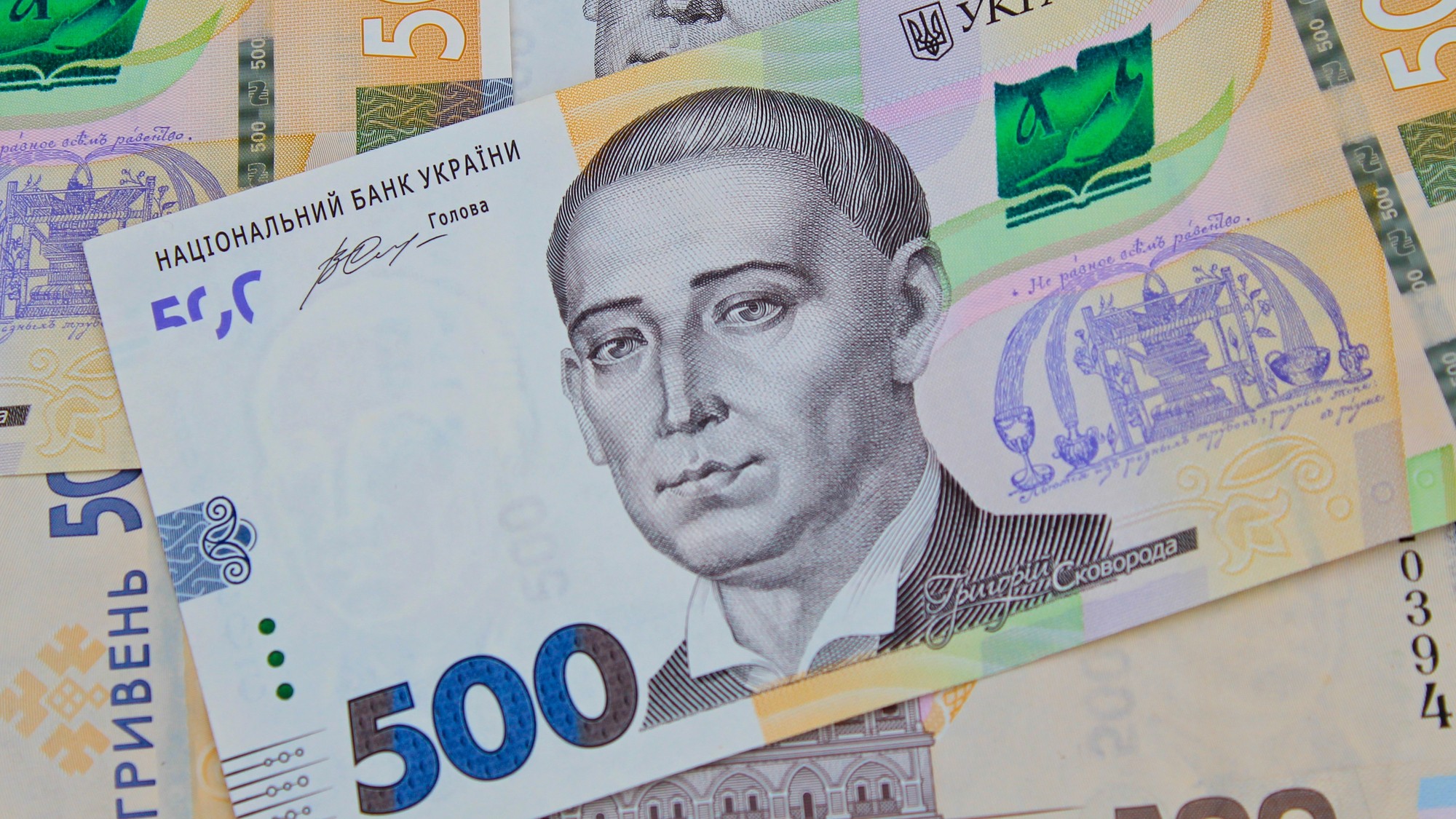
In 2025 household investments in domestic government bonds (OVDP) grew by 42.6% — from 78.5 billion hryvnia to 111.9 billion hryvnia. Thanks to this, the share of individuals in the total OVDP portfolio increased from 4.2% to 5.7%. These are not just numbers — they indicate how Ukrainians’ attitudes toward government securities as a tool for preserving and growing savings are changing.
"Investment by households in domestic government bonds rose by 42.6% in 2025"
— Ministry of Finance of Ukraine
What the numbers say
Alongside households, legal entities continue to play an important role: their holdings grew by 19% — to 212.3 billion hryvnia (a 10.8% share). The main holders of OVDP are commercial banks (47.7% of the portfolio, 937.1 billion hryvnia) and the National Bank (33.8%, 664.5 billion hryvnia), although the NBU’s portfolio declined by 13 billion hryvnia over the year.
In 2025 the state budget raised about 570 billion hryvnia through OVDP auctions, making domestic borrowings the second-largest source of financing after external sources. The weighted-average yields for the year were 16.24% in hryvnia, 3.22% in euro and 4.17% in dollars.
Why this matters to you
First, high real and nominal rates make OVDP attractive for those seeking relatively safe options for savings during war and inflation. Second, growing retail interest reduces the state's reliance on immediate external borrowings and increases financial resilience in case access to external markets is limited.
Risks and limitations
OVDP are a form of public debt, so their yields and liquidity depend on fiscal policy and the macroeconomic situation. In addition, a significant share of the papers is concentrated in banks and the NBU: this creates a risk structure that should be taken into account when assessing the stability of the financial system.
What’s next
The Ministry of Finance plans to raise up to 420 billion hryvnia through OVDP in 2026. Reprofiling of inflation-linked bonds totaling about 145.2 billion hryvnia is also being considered — a step that could change the structure of liabilities and affect yields.
Analysts agree: the rise in household participation is a positive signal of confidence in public finances, but sustainable results require transparent budget decisions and appropriate macroeconomic policy. Will the domestic market be sufficient to temporarily reduce the need for external borrowing? The answer to that question will determine financial stability in the years ahead.