Ukrainian State Statistics Service has prepared a population estimate — publication postponed over security and political risks
The estimate of the numbers is ready, but it is not being rushed into public release. We explain why these figures matter for the budget, recovery, and the country's security — and what to expect next.

By Tetiana Suchkova-Ladik
March 11, 2026 · 2 min read
Briefly
The State Statistics Service (Derzhstat) reported that it has prepared an estimate of the population size based on available statistical data and administrative registers, but has not yet published it — the agency is coordinating the format and timing of publication with the government due to the sensitivity of the information. This delay is not a mere technical annoyance: these are data that affect the allocation of budget resources, international aid and recovery planning.
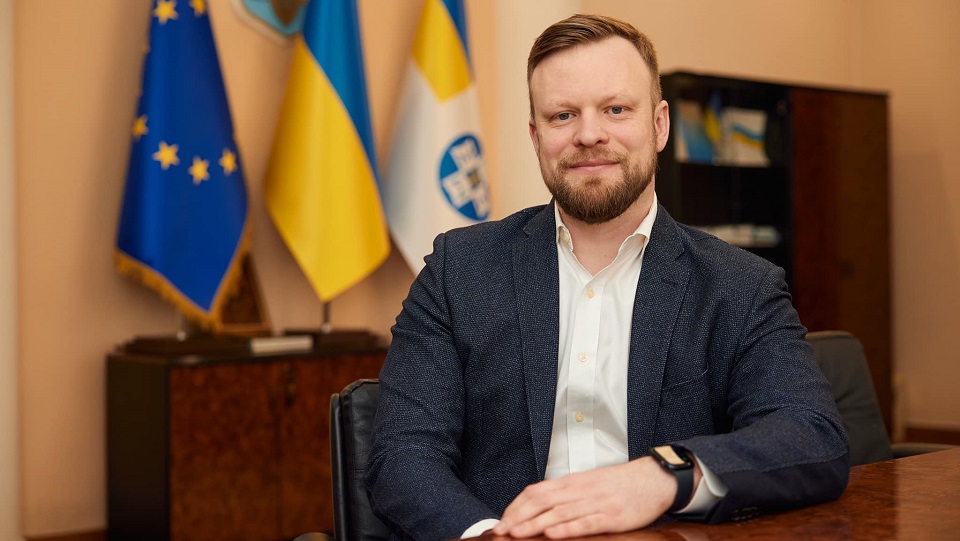
"We have carried out the relevant calculations and prepared an estimate of the population size based on available statistical data and existing administrative registers. At present we are discussing the indicators with the government within interagency cooperation, in particular questions of format, scope and timing of their publication."
— Arsen Makarchuk, head of the State Statistics Service (during the presentation of the 2025 report)
Why the data are not published immediately
There are several reasons why Derzhstat is taking a cautious approach. First, the security aspect: details about demographic changes and population movements can be used by the enemy in a hybrid war. Second, it is a matter of methodology and trust: under these conditions data collection is complicated, so official figures require additional expert verification so as not to undermine confidence in statistics. Third, there are legal restrictions on conducting a census during martial law.
"The law prohibits conducting a census during the period of martial law and for at least six months after its end. We comply with this provision."
— Arsen Makarchuk, head of the State Statistics Service
What is already known — numbers from open sources
- 2001 — the last full census: population 48.46 million people (the entire territory at that time).
- 1 December 2019 — Derzhstat estimated the population (excluding temporarily occupied territories) at 37.29 million.
- October 2024 — the UN estimated a decline in Ukraine's population of about 10 million people due to the full-scale war (estimate for the entire country).
- Forbes Ukraine analysts suggest that approximately ~30.5 million people may have remained on territory under Ukrainian control (an estimated figure).
Practical consequences
Even preliminary estimates change policy: from the formula for allocating subsidies and social payments to planning infrastructure reconstruction and forecasting budget expenditures. Demographic indicators also affect defense planning, the needs of the health-care system and the labor market. For this reason, not only the number itself but also confidence in the methodology used to obtain it are important.
While a full census is legally prohibited during martial law and for at least six months after its end, the country is forced to rely on administrative registers and expert estimates. This makes the role of transparent independent expert discussions — which Derzhstat plans to involve — key to making well-considered decisions.
Conclusion
The prepared figures are not just statistics but a tool for decision-making: from adjusting budgets to planning reconstruction. Now the ball is in the government's and international partners' court: whether they will turn the published estimates into concrete aid, resources and policy is a question that will determine the speed of recovery and social stability.