Dollar above 43 hryvnias: NBU adjusted the official exchange rate — what this means for the budget and reserves
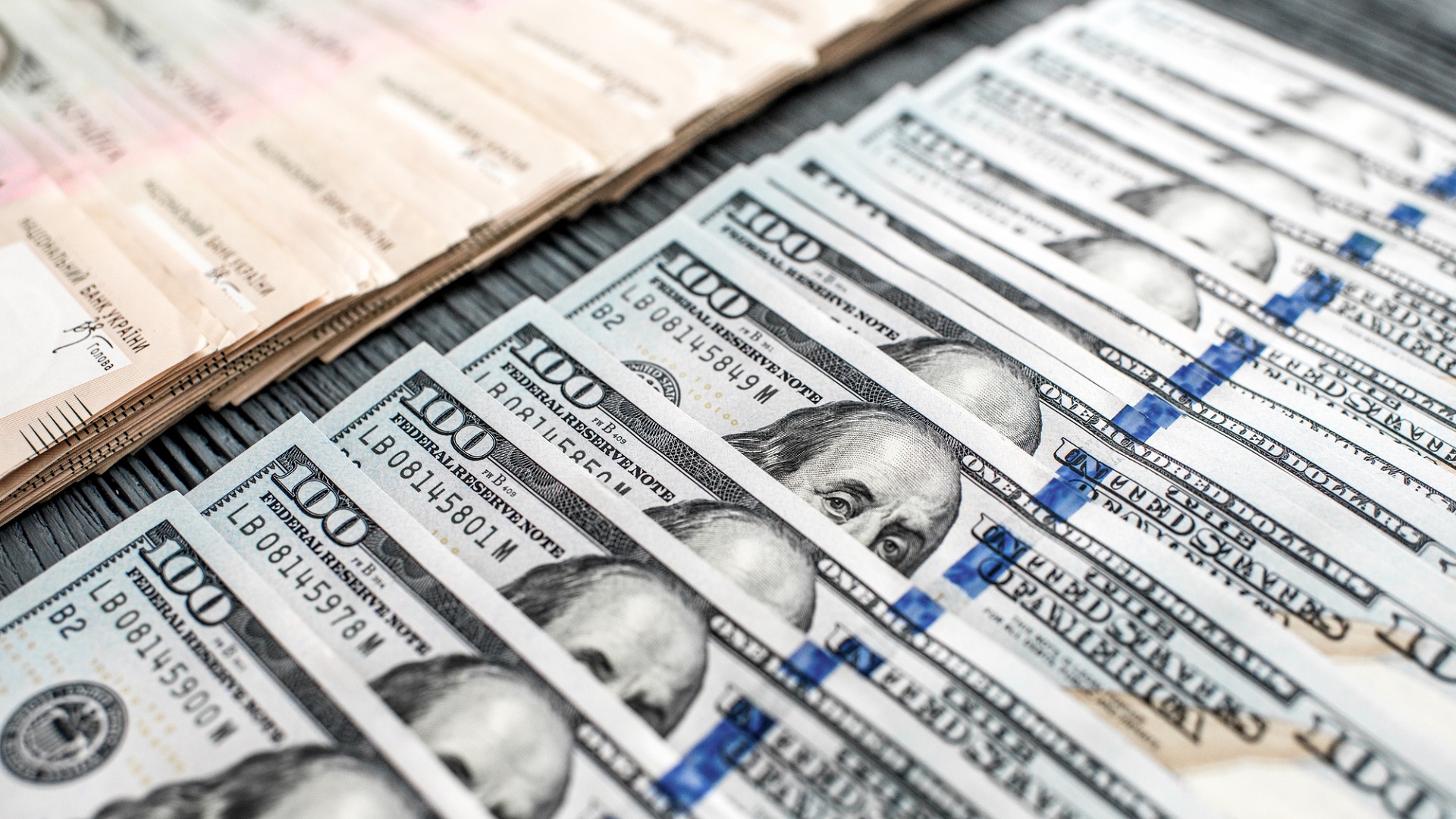
The official exchange rate for January 12 was set at UAH 43.0757 to the dollar — a new record high. We examine why the National Bank reacted the way it did and what protection the record reserves provide.

By Tetiana Suchkova-Ladik
January 9, 2026 · 2 min read
What happened
The National Bank of Ukraine (NBU) lowered the official hryvnia exchange rate against the U.S. dollar to 43.0757 UAH per dollar — the decision takes effect on 12 January 2026. According to the NBU, this is a new record high and already the sixth such fixing since the beginning of the year.
Why the NBU adjusted the rate
The regulator explains the change as a reaction to year-end factors: in December seasonal demand for foreign currency rose due to increased budget payments and businesses’ financial operations. To balance the market, the NBU increased net foreign currency sales — by 1.7 times compared with November.
"Because of significant seasonal demand in December, we increased net foreign currency sales by 1.7 times compared with November"
— National Bank of Ukraine
Context: budget, euro and reserves
At the same time, the NBU set the euro rate for 12 January at 50.1444 UAH — 3 kopeks lower than Friday’s figure. The 2026 state budget assumes a dollar rate of 45.7 UAH, meaning the current official NBU rate is below the projected spending level.
Meanwhile, Ukraine enters this period with the largest international reserves in its history — over $57 billion as of 1 January. This gives the regulator a buffer to cushion shocks and support payment stability.
It is worth recalling that similar dynamics have already occurred: at the beginning of 2025 the dollar approached 42.28 UAH (12–13 January 2025), then fell and by the end of October was below the 42 UAH mark. This underscores the cyclical nature of the fluctuations.
What this means for Ukrainians
Briefly: a single event does not create a crisis. Nevertheless, the rise in the official rate will be felt by importers and consumers of imported goods; budget currency receipts and 2026 planning have a safety margin (the 45.7 UAH rate). Record reserves and active NBU operations mitigate the risks of sharp shocks.
Analysts point to two key conditions for stability: continued fiscal discipline and regular inflows of international financial assistance. Those factors will determine whether the rate remains relatively calm in the coming months.
Summary
The rise of the official rate to 43.0757 UAH is a reaction to seasonal demand and budget payments, not a sign of systemic collapse. Reserves of over $57 billion and the budgeted 45.7 UAH rate provide room for maneuver. Going forward, steady fiscal policy and the restoration of external support flows — not loud rhetoric — will be decisive.